
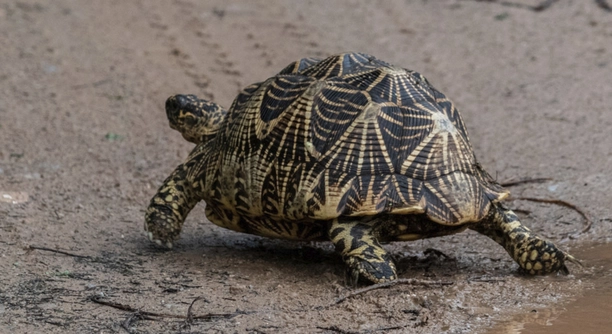
Caring for a star tortoise can be a rewarding experience, but maintaining a clean habitat can be tricky. If you’re struggling with murky water in your tortoise’s enclosure, you’re not alone.
Several factors contribute to water getting dirty too quickly in a star tortoise tank. Overfeeding, improper filtration, and too many tank mates can all create conditions where waste accumulates faster than the system can handle.
Understanding the causes behind this problem can help you prevent water issues and create a cleaner environment for your star tortoise. Let’s explore what might be causing your tortoise’s water to get dirty faster than usual.
Overfeeding Your Star Tortoise
Feeding your star tortoise more than necessary can quickly lead to dirty water. Overfeeding increases waste production, as uneaten food decays in the water, contributing to bacterial growth and poor water quality. If you’re noticing a fast buildup of waste, consider cutting back on the amount you’re offering.
It’s essential to follow a feeding schedule and offer only the right amount of food. This not only keeps the water cleaner but also helps avoid health issues like obesity.
When you overfeed, food debris and uneaten portions can sink to the bottom or float on the surface. In both cases, they break down quickly, leading to an increase in harmful substances in the tank. Consider offering food in smaller portions and remove any uneaten food after a short time. By keeping track of your tortoise’s eating habits and adjusting as needed, you’ll create a healthier environment for both your star tortoise and the water in its habitat.
Inadequate Filtration System
A poor filtration system won’t keep your water clean for long. The filter is responsible for removing waste, debris, and toxins, and a weak or improperly-sized filter may struggle to keep up with your tortoise’s needs.
Without proper filtration, waste builds up, and the water turns cloudy. This can lead to a stressful environment for your star tortoise.
Too Many Tank Mates
Adding too many tank mates can lead to a mess. Overcrowding increases waste production and can create a stressful environment for your star tortoise. The more animals in the tank, the faster the water can become contaminated.
Star tortoises need space to move around comfortably, and adding too many animals puts a strain on the tank’s balance. The extra waste from additional creatures quickly breaks down in the water, lowering its quality. It’s important to limit the number of tank mates and ensure they are compatible with your tortoise’s needs.
An overcrowded tank can also lead to aggressive behavior, as your tortoise might feel stressed by the constant presence of other creatures. This could result in reduced appetite, poor health, and even territorial disputes. If you want to maintain clean water and a peaceful environment, make sure the tank has the appropriate size and limited number of tank mates that suit your star tortoise’s needs.
Dirty Substrate
The substrate in your star tortoise’s tank plays a significant role in water cleanliness. If it’s not regularly cleaned or changed, it can quickly accumulate waste and bacteria that pollute the water. Over time, soiled substrate can contribute to unpleasant odors and an unhealthy tank environment.
To keep your tank clean, make sure to replace or clean the substrate regularly. This can help reduce harmful bacteria buildup and prevent toxins from leaching into the water. A clean substrate also gives your star tortoise a more comfortable space to roam and burrow in.
For best results, choose a substrate that is easy to clean and does not absorb too much moisture. Materials like coconut coir or ceramic tiles can be excellent options. Avoid using substrates that tend to trap waste or break down quickly, as they can contribute to dirty water faster. Keep the tank’s substrate clean to prevent water contamination and maintain a healthy, comfortable habitat for your star tortoise.
Infrequent Water Changes
If you’re not changing the water often enough, it can lead to dirty water. Old water collects waste, bacteria, and other debris, causing the water quality to drop. Regular water changes are crucial to maintaining a healthy environment for your star tortoise.
You should replace the water at least once a week, but this may vary depending on tank size and water conditions. Keep an eye on water clarity, and change it more frequently if it looks murky. This will help avoid health issues caused by dirty water, such as skin infections or respiratory problems.
Not Cleaning the Tank Properly
It’s not enough to just change the water. You also need to clean the tank thoroughly, including the walls, decorations, and any equipment. Neglecting to clean the tank can result in leftover waste and debris, which leads to water contamination.
Use a non-toxic aquarium cleaner to scrub the surfaces and remove any buildup. Pay close attention to corners and crevices where waste can accumulate. It’s important to give your tank a deep clean at least once a month to keep everything in top condition.
Too Much Leftover Food
Leaving food in your tortoise’s tank can quickly dirty the water. As food decays, it releases organic matter and chemicals into the water, which can harm your star tortoise’s health. Clean up leftover food after feeding to prevent contamination.
FAQ
How often should I clean my star tortoise’s tank?
Cleaning the tank depends on a few factors, like tank size and how many animals you have, but generally, it’s good to clean it at least once a month. If you notice waste or algae buildup, you may need to clean it more often. Always check the water quality and make adjustments as needed. Regularly clean the substrate, decorations, and any equipment, as they can harbor waste and bacteria. For water changes, replace about 25-50% of the water weekly to maintain its cleanliness.
Can I use tap water in my star tortoise’s tank?
Tap water is usually fine for your star tortoise’s tank, but it depends on your local water quality. Tap water may contain chlorine or chloramine, which can harm your tortoise. To remove these chemicals, let the water sit out for 24 hours before adding it to the tank or use a dechlorinator. If you’re unsure about your water quality, consider testing it for harmful chemicals. If your tap water has high levels of chlorine or other contaminants, you may need to invest in a water filter or use bottled water.
What kind of filter should I use for my star tortoise’s tank?
Choose a filter that’s appropriate for the size of your tank and can handle the waste load. Canister filters or hang-on-back filters are commonly used for turtle and tortoise tanks. Make sure the filter has a good mechanical, biological, and chemical filtration system to keep the water clean. A filter that can process at least 3-4 times the water volume of your tank per hour is a good rule of thumb. Keep in mind, filters need regular maintenance to keep them working effectively, so don’t forget to clean the filter media regularly.
How much food should I feed my star tortoise?
Overfeeding is a common cause of dirty water. Your star tortoise doesn’t need a large amount of food. Generally, feed your tortoise a portion about the size of its shell each day or every other day. Make sure to provide a variety of leafy greens, some vegetables, and occasional fruits. Be sure to remove any uneaten food within a few hours to prevent it from polluting the water. If you’re unsure about portion sizes, observe your tortoise’s behavior – it should eat the food within a reasonable time, leaving little to no leftovers.
What should I do if my star tortoise’s water is still dirty after cleaning?
If the water is still dirty despite your cleaning efforts, it could be due to an ineffective filtration system, too much food, or poor water conditions. Make sure the filter is powerful enough for the tank size and is being maintained properly. If you’ve overfed your tortoise, reduce the amount of food and remove any leftovers. Also, check for hidden waste or decaying substrate that could be causing the problem. Sometimes, the water itself may have issues, such as high levels of contaminants, so using a water conditioner or testing the water might be necessary.
What are the signs that my star tortoise is stressed due to dirty water?
If your star tortoise is exposed to dirty water for too long, you might notice signs of stress, such as lethargy, loss of appetite, or changes in behavior. It might also show skin irritation or respiratory issues if the water quality is poor. If your tortoise starts avoiding water or seems less active, it could be an indication that it’s uncomfortable in its environment. Regular water testing and proper cleaning routines can help prevent stress and keep your tortoise healthy.
Can I use any kind of substrate in my star tortoise’s tank?
Not all substrates are suitable for star tortoises. Avoid using sand or gravel that can irritate their skin or cause digestion problems if ingested. Coconut coir, organic soil, and reptile-safe grass mats are good options. These materials are easy to clean and provide a natural environment for your tortoise. Be sure to clean or replace the substrate regularly to prevent bacteria buildup. Avoid using anything with chemical treatments, as it could harm your tortoise.
How can I improve the water quality in my star tortoise’s tank without a filter?
If you don’t want to use a filter, you’ll need to change the water more often to keep it clean. A good practice is to replace at least 50% of the water once a week, depending on the size of the tank and the number of animals. Additionally, remove any uneaten food and waste daily. You can also use an aquarium vacuum to clean the bottom of the tank. While a filter makes maintaining clean water easier, frequent water changes and proper cleaning can still help without one.
Why does my star tortoise’s water get cloudy so quickly?
Cloudy water usually results from excess waste, uneaten food, or an overtaxed filter. Overfeeding is one of the main reasons for this issue. When food decomposes in the water, it contributes to cloudy conditions. Another reason could be insufficient filtration or an unclean tank. Make sure you are cleaning the tank regularly and removing leftover food. If the cloudiness persists, consider upgrading the filter or reducing the number of tank mates to lessen the waste load. Sometimes, a water conditioner can help clear the cloudiness caused by suspended particles.
Can I use chemical water treatments to clean my star tortoise’s tank?
While chemical treatments can help address certain water issues, they should be used cautiously in tortoise tanks. Some chemicals, like dechlorinators, are safe for use, but others, such as algaecides or disinfectants, can harm your tortoise. Always read the label carefully and check that it’s safe for reptiles. It’s best to rely on natural cleaning methods, like regular water changes and proper filtration, to maintain water quality. If you must use a chemical treatment, ensure it’s non-toxic and specifically designed for reptile tanks.
Maintaining clean water in your star tortoise’s tank is essential for its overall health and well-being. Dirty water can quickly lead to health problems like skin infections, respiratory issues, and stress. By following the proper care guidelines, you can ensure a cleaner environment that promotes your tortoise’s comfort and happiness. Regular water changes, effective filtration, and proper feeding are all key steps in preventing water from getting dirty too fast.
It’s also important to consider factors like substrate cleanliness and the number of animals in the tank. Too much food left uneaten or too many tank mates can quickly overwhelm the system and result in poor water quality. Keeping the tank clean and balanced is not just about aesthetics but about the health of your tortoise as well. If you notice signs of stress, such as lethargy or loss of appetite, it could be a sign that the water needs attention.
With a little attention and care, you can keep your star tortoise’s environment clean and healthy. Ensure that the tank is properly sized, that food is offered in reasonable amounts, and that the water is changed regularly. Investing in a good filtration system and choosing safe substrates will also help maintain water quality. These simple steps will go a long way in ensuring that your star tortoise thrives in a clean, comfortable habitat.

Hello,
If you enjoy the content that we create, please consider saying a "Thank You!" by leaving a tip.
Every little bit helps us continue crafting quality advice that supports the health, happiness, and well-being of pets around the world, for pets of all shapes, sizes, and species.
We really appreciate the kindness and support that you show us!