
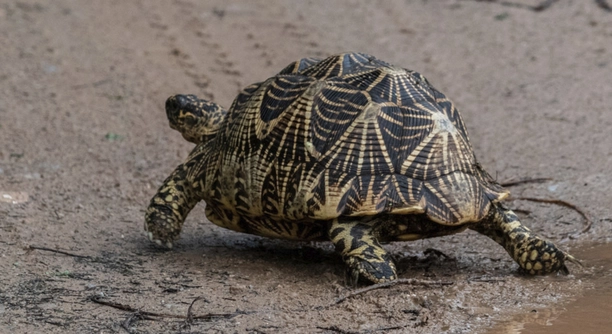
Star tortoises are fascinating pets, but they need the right temperature to stay healthy. If you’re concerned your star tortoise might be too cold, it’s important to know the signs that could indicate a problem.
Cold temperatures can lead to various health issues for your star tortoise. Key signs include lethargy, loss of appetite, and abnormal behavior. If your tortoise is not getting enough warmth, it may struggle to properly digest food and stay active.
Understanding the signs of cold stress will help you keep your star tortoise comfortable. Learn more about what to look for and how to adjust its environment to keep it happy and healthy.
Signs Your Star Tortoise Is Too Cold
When a star tortoise is too cold, it shows clear signs of discomfort. One of the first things you may notice is that your tortoise becomes less active. If it is usually lively and suddenly starts spending most of the day in a corner or hiding, this could be a sign that it’s struggling with the temperature. A cold tortoise may also move very slowly or seem sluggish.
Temperature imbalances can make your tortoise lose its appetite as well. It will avoid food, and its digestion may suffer. Keeping track of these behaviors is essential to ensuring your tortoise’s health.
If the temperature remains too low for too long, your tortoise can become seriously ill. The cold can lead to respiratory infections or shell problems if left untreated. It’s vital to monitor its environment regularly and adjust the temperature to keep your tortoise comfortable and active. Remember, the right heat can make all the difference in your pet’s overall well-being.
How to Check If Your Tortoise’s Habitat Is Too Cold
One simple way to check your tortoise’s environment is by using a thermometer. Ensure that the basking area is between 85°F and 95°F. If it’s lower than this, it may be too cold for your tortoise.
A well-maintained enclosure is critical to your tortoise’s health. Keep the habitat’s temperature stable to avoid any drastic fluctuations. Invest in a heat source like a heat lamp or ceramic heater, making sure it’s positioned properly.
Why Your Star Tortoise May Stop Eating When It’s Too Cold
When temperatures drop, your star tortoise may lose its appetite. Cold weather slows down their metabolism, making them less interested in food. If your tortoise is not getting enough warmth, it can struggle to digest properly.
A tortoise that’s too cold won’t feel the same urge to eat. This behavior can sometimes go unnoticed, as tortoises can be picky eaters. However, if the temperature is constantly too low, it could result in long-term health issues. Ensure your tortoise’s enclosure stays within the right temperature range for proper digestion and overall comfort.
A cold environment can also cause stress. When your tortoise is stressed, it can have a hard time maintaining a regular eating pattern. It’s important to address both the temperature and any stressors that might be affecting your tortoise’s appetite to keep it healthy and thriving.
How To Create A Warmer Habitat for Your Star Tortoise
The right heating equipment will make a world of difference. Consider using heat lamps or ceramic heat emitters to maintain consistent warmth. Position the heat source properly, ensuring that your tortoise has access to warmer areas while still having a cooler zone to retreat to if needed.
Maintaining proper humidity levels is also essential. Too much or too little humidity can cause problems, especially when combined with cold temperatures. Try to keep humidity between 50% and 70% to support your tortoise’s health. Regularly check the temperature with a thermometer, especially in the colder months. A healthy and comfortable habitat will encourage your star tortoise to be more active and improve its eating habits.
Lethargy and Reduced Activity in Cold Star Tortoises
When your star tortoise is too cold, it may become lethargic. This means it will move slower than usual or hide more often. If you notice your tortoise becoming unusually inactive, it’s likely that the temperature in its enclosure isn’t warm enough.
Tortoises are cold-blooded, meaning they rely on external heat sources to stay active. When they don’t get enough warmth, they conserve energy and rest more. This behavior is often a sign that your tortoise needs a warmer environment.
How Temperature Affects Your Star Tortoise’s Digestion
A cold star tortoise will experience slower digestion. When the temperature drops, its metabolism slows down, causing food to stay in its system longer than usual. This can lead to constipation or even more severe health issues.
If your tortoise isn’t getting enough warmth, it may not process nutrients properly. A warmer environment helps with digestion, allowing your tortoise to absorb the nutrients it needs for energy and growth. Make sure the temperature stays steady in its habitat to avoid digestive problems.
The Importance of a Warm Basking Area
A basking area is crucial for your star tortoise. Without it, your tortoise may not be able to warm up enough to digest food, stay active, or maintain a healthy metabolism. Make sure the basking spot is between 85°F and 95°F.
FAQ
What is the ideal temperature for a star tortoise?
The ideal temperature for a star tortoise should range between 85°F and 95°F during the day, with a cooler side around 75°F. At night, temperatures can drop to around 70°F, but they shouldn’t fall below this for too long. Keeping a temperature gradient in the habitat allows the tortoise to move between warm and cooler areas as needed. Consistent heat is key to maintaining your tortoise’s health.
How can I tell if my tortoise is too cold?
Signs that your star tortoise may be too cold include lethargy, loss of appetite, and abnormal hiding behavior. It might move slower than usual and avoid basking. You may also notice it staying in one place for an extended time. Checking the temperature regularly with a thermometer can help ensure the habitat is at the proper warmth.
Can a cold star tortoise get sick?
Yes, a cold star tortoise is more susceptible to illness. Prolonged exposure to low temperatures can lead to respiratory infections, digestive issues, and even shell problems. If left unchecked, it can seriously affect your tortoise’s immune system. It’s crucial to maintain the right temperature to prevent health complications.
Should I use a heat lamp for my star tortoise?
Yes, a heat lamp is an effective way to create a basking area for your star tortoise. A heat lamp should be positioned above the basking spot to provide a warm area where the tortoise can regulate its body temperature. However, be sure the lamp isn’t too close to avoid overheating, and make sure there is a cooler area in the habitat for balance.
How can I check if my star tortoise’s enclosure is too cold?
To check if your tortoise’s enclosure is too cold, use a thermometer to monitor the temperature in different areas of the habitat. The basking area should be between 85°F and 95°F, while the cooler side should be around 75°F. If you notice that your tortoise is lethargic or not eating, it could be a sign that the temperature is not ideal.
Can I use a heating pad for my star tortoise?
Yes, a heating pad can be used, but it should be placed under the tank to provide consistent warmth from below. It’s important to monitor the temperature closely, as overheating can be harmful. A heating pad should not be the sole heat source, but can help maintain a warm environment.
What happens if the temperature in the enclosure fluctuates?
Fluctuating temperatures can cause stress and confusion for your star tortoise. It can interfere with its eating habits, digestion, and overall activity. A tortoise requires a stable environment to stay healthy. A temperature fluctuation, especially dropping below 70°F at night, could potentially lead to health issues over time.
Can my star tortoise tolerate cooler weather outside?
Star tortoises are not well-suited for cooler climates, especially for extended periods. If you plan to take your tortoise outside, make sure the temperature is consistently warm. Even in natural habitats, they thrive in temperatures above 75°F. Prolonged exposure to cool outdoor conditions can result in stress or illness.
How often should I check the temperature of my tortoise’s habitat?
It’s a good practice to check the temperature of your star tortoise’s habitat at least once a day, particularly in the morning when the environment may have cooled down overnight. Using a thermometer in both the basking and cooler areas of the enclosure will ensure the conditions remain optimal. Make adjustments as necessary, especially if you notice any signs of cold stress in your tortoise.
What are the risks of a cold star tortoise not eating?
A cold tortoise that refuses to eat can face serious health risks. Without proper nutrition, its immune system weakens, and it becomes more vulnerable to infections and diseases. Lack of food also means a lack of necessary nutrients, which can cause slow growth, dehydration, and metabolic problems over time.
Final Thoughts
Keeping your star tortoise at the right temperature is key to its overall well-being. If your tortoise is too cold, it may experience several health problems, including lethargy, loss of appetite, and digestive issues. A comfortable environment is important to make sure it stays active, eats regularly, and stays healthy. Monitoring the temperature with a thermometer and providing a basking area with the right warmth can prevent many of these problems. It’s not just about the temperature in the tank, but also ensuring the humidity levels and overall habitat are optimal.
A cold tortoise can also become more vulnerable to respiratory infections and other illnesses if not properly cared for. Low temperatures can cause its metabolism to slow down, which affects digestion and nutrient absorption. It’s important to remember that star tortoises, like other reptiles, rely on external heat sources to regulate their body temperature. By setting up a proper heat source like a heat lamp or ceramic heater, you’ll be providing the warmth they need to thrive. Consistency is key when it comes to maintaining a suitable environment.
By paying attention to your star tortoise’s behavior and making sure its habitat is warm enough, you can prevent cold-related issues. Regularly check the temperature in its enclosure and make adjustments as needed. A healthy star tortoise will be active, eat regularly, and show interest in exploring its habitat. If you notice signs of cold stress, act quickly to adjust the environment and help your tortoise feel more comfortable. Proper care will ensure your star tortoise lives a long, healthy life.

Hello,
If you enjoy the content that we create, please consider saying a "Thank You!" by leaving a tip.
Every little bit helps us continue crafting quality advice that supports the health, happiness, and well-being of pets around the world, for pets of all shapes, sizes, and species.
We really appreciate the kindness and support that you show us!