
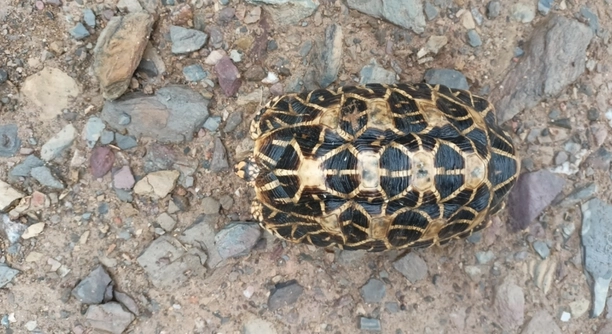
If you’ve noticed your star tortoise opening its mouth more frequently, you may be concerned about its health or behavior. It’s common for pet owners to wonder about unusual actions from their reptiles, and this behavior is no exception.
The most common reason a star tortoise opens its mouth is to signal respiratory issues, but it could also indicate stress, temperature imbalance, or other health problems. It is crucial to monitor for additional symptoms to identify the cause accurately.
Understanding the causes of mouth opening is key to preventing further complications and ensuring your star tortoise stays healthy. Keep reading to explore the most common reasons behind this behavior.
Respiratory Infections
One of the main reasons your star tortoise might be opening its mouth is due to a respiratory infection. These infections can cause difficulty breathing, so the tortoise opens its mouth to get more air. It’s common in turtles that are kept in environments with poor ventilation or high humidity. If your tortoise has a runny nose, watery eyes, or appears lethargic, it could indicate a respiratory problem. Prompt attention is needed to prevent further issues, and in some cases, your pet may require medication from a vet to recover.
Respiratory infections can quickly worsen if not addressed. Without treatment, it could lead to more severe complications, like pneumonia.
If you notice signs of a respiratory infection, it’s essential to isolate the tortoise from others to prevent the spread of illness. Keeping their environment clean and ensuring they have proper airflow can help reduce the chances of future infections. Always keep an eye on their behavior, and consult a vet if symptoms continue.
Stress
Another reason a star tortoise might open its mouth is stress. Tortoises can feel overwhelmed by changes in their environment, like loud noises, new animals, or even an unfamiliar habitat. Stress can cause your pet to behave differently, including excessive mouth opening.
Stress can lead to long-term health issues if not addressed. Keeping your star tortoise’s environment calm and stable will help reduce anxiety.
To keep your tortoise stress-free, create a quiet, consistent environment. Avoid sudden changes in their habitat, and ensure that they feel safe. If stress continues to be an issue, it might be necessary to evaluate the environment or seek expert advice to better support your pet’s mental health.
Temperature Imbalance
Your star tortoise may open its mouth if the temperature in its environment is too high or too low. Temperature extremes affect your pet’s ability to regulate body functions, which can lead to stress and mouth-opening behavior.
Tortoises rely on their habitat’s temperature to maintain their body heat. If the temperature is too cold, they may open their mouths to help regulate their body temperature. Similarly, if it’s too hot, the tortoise might try to cool down by opening its mouth.
To prevent this, make sure you have a proper heating setup in place. Your star tortoise needs a heat lamp and a cooler area to allow for temperature regulation. Always check the temperature regularly with a thermometer to keep it within the ideal range, typically around 85-90°F (29-32°C) during the day.
Dehydration
Dehydration is another potential cause for your star tortoise opening its mouth. If your tortoise isn’t getting enough water, it may struggle to breathe and drink properly, causing mouth-opening.
Ensure your tortoise has access to clean water at all times. Many tortoises are not naturally inclined to drink from a bowl, so offering water through a shallow dish or gently misting them can help. Hydration also supports digestion, so it’s essential to keep them hydrated.
Dehydration can lead to more serious health issues, like kidney failure or organ stress. Pay attention to how much your tortoise is drinking and make sure it’s consuming water regularly. If it’s not drinking enough, consider offering water via a soaking bath or adjusting their water setup to encourage drinking.
Overheating
Overheating can cause your star tortoise to open its mouth as it struggles to cool down. A tortoise exposed to excessive heat may become stressed and open its mouth to release heat.
It’s important to monitor the temperature in the habitat to prevent overheating. Make sure your pet has access to shaded areas and a cool space where it can escape from the heat.
Respiratory Obstruction
Your star tortoise may open its mouth if something is blocking its airways. This could be due to a foreign object or a build-up of mucus in the respiratory tract.
If this happens, it’s crucial to check for any visible obstructions and gently clear the area if needed. If the problem persists, consult a vet for professional help.
What is the most common cause of a star tortoise opening its mouth?
The most common reason a star tortoise opens its mouth is due to a respiratory infection. Respiratory infections often cause difficulty breathing, leading the tortoise to open its mouth for more airflow. It’s important to observe other signs like runny nose, wheezing, or lethargy. If any of these symptoms are present, seeking a vet’s advice is crucial. Untreated respiratory issues can worsen, leading to more serious conditions.
Can a star tortoise open its mouth due to stress?
Yes, stress is another frequent cause for mouth opening in star tortoises. Stress can result from sudden changes in their environment, such as loud noises, changes in temperature, or unfamiliar surroundings. This can overwhelm them, causing behavioral changes like mouth opening. It’s essential to maintain a calm and consistent environment for your tortoise to prevent these stress-related issues.
How can I tell if my star tortoise is stressed?
In addition to opening its mouth, a stressed tortoise may show other signs such as hiding more than usual, pacing, or becoming less active. It might refuse food or act more aggressively. If you notice these behaviors, it’s important to check the tortoise’s habitat for any changes that may have caused stress. Providing a safe, quiet space with appropriate lighting and temperature can help reduce these symptoms.
What is the ideal temperature for a star tortoise?
The ideal temperature for a star tortoise should range between 85°F and 90°F (29-32°C) during the day. At night, the temperature can drop to around 70°F (21°C). These temperature ranges ensure that the tortoise can regulate its body heat properly. If the environment is too hot or too cold, it can lead to discomfort, stress, and mouth-opening behavior.
Can dehydration cause my star tortoise to open its mouth?
Yes, dehydration is another possible cause. When a tortoise does not receive enough water, it can lead to mouth opening and difficulty breathing. Dehydration also affects digestion and can cause other health issues like kidney problems. To prevent this, make sure your tortoise always has access to fresh, clean water. Consider soaking your tortoise in a shallow bath to encourage hydration, especially if it isn’t drinking regularly.
What should I do if I suspect my tortoise has a respiratory infection?
If you think your tortoise has a respiratory infection, it’s best to take it to a vet for diagnosis and treatment. Early treatment can help prevent serious complications. Your vet may recommend antibiotics or other medications to treat the infection. Keep your tortoise in a warm, dry, and clean environment to help it recover. Avoid exposure to drafts or wet conditions during this time.
How can I prevent overheating in my star tortoise?
To prevent overheating, ensure your tortoise’s habitat has both warm and cool areas. A basking spot under a heat lamp is important, but there should also be a shaded area where your tortoise can escape the heat if needed. Keep the temperature under control by regularly checking the habitat with a thermometer. Ensure the tortoise always has access to water to help regulate its body temperature.
Can stress affect my star tortoise’s eating habits?
Yes, stress can cause your star tortoise to eat less or refuse food entirely. A stressed tortoise may not be interested in eating because it’s more focused on dealing with its discomfort. To reduce stress, make sure your tortoise has a peaceful environment with a consistent routine. Provide a proper diet and monitor their behavior to ensure they’re eating regularly.
Is it normal for my star tortoise to open its mouth when I handle it?
It’s not uncommon for a star tortoise to open its mouth when stressed or handled, especially if it feels threatened. Tortoises are generally more comfortable in their environment, so handling them too much or roughly can cause anxiety. Always handle your tortoise gently and with care, and limit interactions to avoid stress.
What can I do if my star tortoise keeps opening its mouth for no reason?
If your star tortoise keeps opening its mouth without any clear reason, you should check its overall health and environment. Ensure the temperature is correct, and there’s no sign of infection, injury, or stress. If the behavior persists, it’s best to consult a vet to rule out any underlying health problems.
It’s important to remember that while occasional mouth opening can be a normal behavior for a star tortoise, persistent or frequent mouth opening should not be ignored. It often signals that something is not quite right, whether it’s an environmental issue or a health concern. Identifying the cause early can prevent more serious problems from developing and help your tortoise live a happy, healthy life.
If you notice that your tortoise is opening its mouth frequently, be sure to check its habitat conditions first. Temperature, humidity, and stress can all contribute to this behavior. By maintaining a calm environment with proper temperature control and humidity levels, you can minimize stress and discomfort for your pet. If the issue continues despite these adjustments, it may be time to consider a visit to the vet to rule out any underlying health problems, like respiratory infections or dehydration. Keeping your tortoise hydrated and ensuring it has access to clean water is also essential.
In the end, understanding your star tortoise’s behavior and responding appropriately is key to providing it with a good quality of life. Regular monitoring, routine vet checkups, and making sure your pet’s habitat is set up properly can go a long way in preventing common health issues. By staying proactive and attentive to your tortoise’s needs, you’ll be able to enjoy watching it thrive for years to come.

Hello,
If you enjoy the content that we create, please consider saying a "Thank You!" by leaving a tip.
Every little bit helps us continue crafting quality advice that supports the health, happiness, and well-being of pets around the world, for pets of all shapes, sizes, and species.
We really appreciate the kindness and support that you show us!