
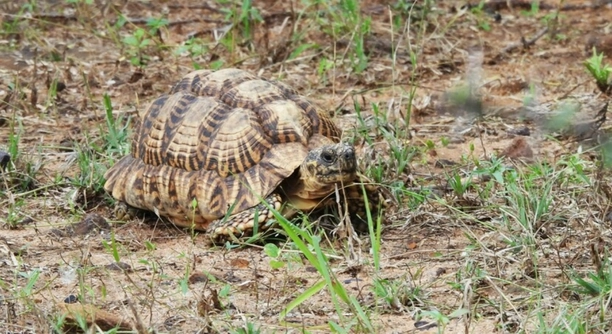
Star tortoises are fascinating creatures, but like all pets, they can experience health issues. Respiratory infections are common among these tortoises and require careful attention to prevent further complications. Identifying the signs early can help.
Respiratory infections in star tortoises are often indicated by symptoms such as nasal discharge, wheezing, and labored breathing. These infections are typically caused by bacteria or environmental factors and can lead to serious health problems if untreated.
Knowing the common signs can help you take timely action to ensure your tortoise stays healthy and comfortable. This article will help you understand how to identify and address respiratory infections in star tortoises.
Common Symptoms of Respiratory Infections in Star Tortoises
A star tortoise showing symptoms of a respiratory infection may display several signs. These can include nasal discharge, wheezing sounds, and labored breathing. You might also notice the tortoise keeping its mouth open for extended periods or appearing lethargic. It’s essential to monitor their behavior closely since these infections often worsen quickly. A loss of appetite or refusal to eat is another common indicator, as sick tortoises may not have the energy to feed properly. Additionally, you may observe swollen eyes or excessive mucus around the nose. These symptoms should not be ignored, as respiratory infections can be fatal if left untreated.
In some cases, the symptoms can resemble those of other illnesses. For this reason, it’s crucial to seek proper veterinary advice when these signs appear.
Tortoises suffering from respiratory infections often seem less active. They may also withdraw into their shells more than usual and avoid interacting with their environment. As the infection progresses, you may observe more severe signs such as difficulty in breathing, labored movements, or a change in the color of their skin. These changes indicate a more severe condition that requires immediate medical attention. Early detection is vital to preventing long-term health complications.
Causes of Respiratory Infections in Star Tortoises
Environmental factors, such as improper humidity levels, drafts, or extreme temperatures, are major contributors to respiratory infections in star tortoises. When their habitat is too cold or too humid, their immune system weakens, making them more susceptible to infections. A poorly ventilated enclosure can also trap moisture, increasing the risk of bacteria.
Other causes can include bacterial infections introduced from unsanitary conditions, stress, or overcrowding in their environment. Poor diet, especially one lacking in essential vitamins and minerals, can further weaken their immune system.
Inadequate basking spots can also contribute to respiratory infections. Star tortoises need proper heat to digest food and maintain their immune system. If they can’t bask adequately, their overall health can suffer, leaving them vulnerable to respiratory illnesses. A consistent temperature range of 80-90°F is essential for them to stay healthy.
Understanding and addressing these environmental factors is crucial for preventing respiratory issues. Regular cleaning of their enclosure, maintaining proper humidity levels, and ensuring a stable temperature can significantly reduce the likelihood of infections.
Diagnosing Respiratory Infections in Star Tortoises
Diagnosing a respiratory infection in a star tortoise requires careful observation of symptoms and a visit to a veterinarian. A professional diagnosis often includes physical examinations and possibly cultures of nasal discharge.
A veterinarian will likely check for signs such as nasal discharge, wheezing, and eye swelling. These are typical indicators of a respiratory issue. They may also assess your tortoise’s overall health, including its hydration levels and temperature tolerance. If necessary, your vet may perform X-rays to check for lung issues or fluid buildup. Depending on the severity, treatment may begin immediately after diagnosis.
The process can include blood tests and swabs to identify the type of bacteria causing the infection. Knowing the specific bacteria helps the vet choose the appropriate antibiotics. Early intervention can prevent the infection from spreading to other parts of the body. Proper diagnosis ensures the right treatment plan for your tortoise’s recovery.
Treatment Options for Star Tortoise Respiratory Infections
Treatment for respiratory infections typically involves antibiotics prescribed by a veterinarian. These will target the bacteria causing the illness.
In addition to antibiotics, your vet may recommend supportive care, such as providing a warm, humid environment to help your tortoise breathe easier. Proper temperature regulation can make a significant difference in recovery. Ensuring your tortoise remains hydrated and eats well is also essential. If your tortoise has difficulty eating, you may need to provide softer foods or force-feeding techniques under veterinary guidance.
Regular check-ups during the treatment process help monitor progress and adjust the care plan as needed. Most tortoises recover well with the right treatment, but it’s crucial to follow the veterinarian’s instructions closely. This includes maintaining appropriate enclosure conditions and avoiding drafts that could slow recovery.
Preventing Respiratory Infections in Star Tortoises
Preventing respiratory infections requires maintaining a clean, dry, and warm environment for your star tortoise. Regularly cleaning their habitat helps prevent the buildup of bacteria.
Proper temperature control is crucial. Ensure your tortoise’s habitat has areas for both basking and hiding, with temperature ranges between 80-90°F. Avoid exposing them to drafts or sudden temperature changes.
A balanced diet with sufficient vitamins and minerals strengthens their immune system. Providing fresh water regularly and avoiding overcrowded living conditions also reduces stress and the likelihood of infections.
Importance of Regular Health Checks
Routine health checks are vital to catching any potential issues early. A professional examination allows for the early detection of respiratory problems.
Your vet can monitor your tortoise’s overall health, checking for weight loss, dehydration, and abnormal behaviors. These small changes can signal underlying health issues, such as respiratory infections. Regular check-ups ensure that potential problems are addressed before they become severe. Keeping track of your star tortoise’s habits, diet, and environment will help your vet give the best care possible.
When to Seek Veterinary Help
If your tortoise shows signs of difficulty breathing or lack of appetite, it’s time to seek veterinary help. These symptoms could indicate a respiratory infection or other health problems.
Delaying care could worsen their condition, leading to more severe issues. Seeking help early is crucial for a better chance of recovery.
FAQ
What are the most common signs of a respiratory infection in star tortoises?
The most common signs include nasal discharge, wheezing, labored breathing, and open-mouth breathing. You may also notice lethargy, swollen eyes, and a lack of appetite. If your tortoise has any of these symptoms, it’s important to seek veterinary help immediately.
How can I prevent respiratory infections in my star tortoise?
Maintaining proper enclosure conditions is key to preventing respiratory infections. Ensure your tortoise has access to both warm and cool areas, with temperatures ranging from 80-90°F. Regularly clean the enclosure to avoid bacterial buildup, and keep the humidity level appropriate. Avoid drafts and sudden temperature changes. Providing a well-balanced diet with proper hydration is also essential for a strong immune system.
Can star tortoises get respiratory infections from cold weather?
Yes, cold temperatures can weaken your tortoise’s immune system, making them more susceptible to respiratory infections. Always ensure your tortoise has access to a warm basking area and avoid exposing them to drafts or extreme temperature fluctuations. The ideal temperature range is 80-90°F for their enclosure.
How is a respiratory infection in a star tortoise treated?
Treatment typically involves antibiotics prescribed by a veterinarian. The vet will determine the type of infection based on symptoms or tests and select the appropriate medication. Your tortoise may also need supportive care, such as a warm, humid environment to aid breathing. It’s important to follow all veterinary instructions and schedule regular follow-ups.
Is it possible for a tortoise to recover from a respiratory infection?
Yes, with proper treatment and care, most star tortoises can recover from respiratory infections. Timely diagnosis and intervention are essential to ensure a full recovery. Follow your veterinarian’s advice closely, and make sure your tortoise’s habitat is kept at the proper temperature and humidity to support healing.
Can a respiratory infection in a star tortoise spread to other animals?
Respiratory infections in tortoises are typically caused by bacteria, which can sometimes be transmitted to other reptiles or animals in close contact. It’s important to isolate sick tortoises from others to prevent any potential spread. If you have multiple pets, consult your veterinarian to see if any precautions are necessary.
How long does it take for a star tortoise to recover from a respiratory infection?
The recovery time depends on the severity of the infection and how quickly treatment begins. Typically, with proper care, a star tortoise can recover within a few weeks. Mild infections may take 1-2 weeks to heal, while more severe cases could require a longer recovery period.
Should I change my tortoise’s diet during a respiratory infection?
Yes, it’s helpful to offer softer foods that are easier to eat if your tortoise is struggling with its appetite. Foods like leafy greens, fruits, or even commercially available tortoise food can be softened with water. Make sure your tortoise is staying hydrated and eating enough to support its recovery.
Can I treat my tortoise’s respiratory infection at home?
While it’s important to provide a comfortable, warm environment for your tortoise, treating respiratory infections should be done under the guidance of a veterinarian. Over-the-counter treatments are not recommended, as tortoises require specific medications that can only be prescribed by a vet after a proper diagnosis.
How can I tell if my tortoise is stressed and at risk for respiratory infections?
Signs of stress in star tortoises include reduced activity, refusal to eat, and hiding more than usual. Overcrowding, poor environmental conditions, and handling too frequently can cause stress. Stress weakens their immune system, making them more vulnerable to infections. If you notice signs of stress, adjust their environment accordingly.
What is the role of temperature in preventing respiratory infections in star tortoises?
Temperature plays a critical role in keeping your tortoise healthy. Proper basking areas help them digest food and maintain a strong immune system. A temperature range of 80-90°F is ideal. If your tortoise cannot access a heat source, they may become more susceptible to infections.
Can humidity levels affect the health of a star tortoise?
Yes, improper humidity levels can impact your tortoise’s respiratory system. Humidity that is too high can lead to mold or bacterial growth, while too low humidity can dry out the skin and respiratory passages. It’s essential to maintain balanced humidity levels, typically around 40-60%, for a healthy environment.
How often should I clean my star tortoise’s enclosure to prevent respiratory infections?
Regular cleaning is crucial for preventing respiratory infections. Spot clean daily, removing waste and uneaten food. Perform a more thorough cleaning once a week to prevent bacteria buildup and maintain a sanitary environment. Ensure that all surfaces are sanitized, and the substrate is dry and free from mold.
What should I do if my star tortoise refuses to eat during a respiratory infection?
If your tortoise refuses to eat, try offering softer foods or those with higher water content, such as mashed fruits or greens. You may need to force-feed your tortoise under veterinary guidance to ensure it gets the nutrients it needs. Always consult a vet if feeding becomes a problem.
How can I support my star tortoise during its recovery from a respiratory infection?
Supporting your tortoise during recovery involves maintaining the right environmental conditions, such as warmth and humidity, and ensuring it is eating and drinking well. Keep the enclosure clean and ensure your tortoise gets plenty of rest. Follow all veterinary instructions carefully, including administering medication.
Are there any home remedies for respiratory infections in star tortoises?
There are no recommended home remedies for treating respiratory infections in star tortoises. Proper diagnosis and treatment should always be done by a veterinarian. Attempting to treat infections at home without professional guidance can delay recovery or make the condition worse.
How can I monitor my tortoise’s health to prevent respiratory issues?
Monitoring your tortoise’s health includes observing its behavior, appetite, and overall activity levels. Regular health checks by a veterinarian are also important. Keeping track of any changes and addressing potential issues early can help prevent respiratory infections and other health problems.
Respiratory infections in star tortoises can be concerning, but with proper care and attention, many of them can recover. Identifying the symptoms early and providing the right treatment is essential for ensuring your tortoise’s health. A clear understanding of what to look for, such as nasal discharge, wheezing, or labored breathing, allows you to act quickly and get the appropriate veterinary help.
Prevention is always better than treatment. By maintaining a suitable environment for your tortoise, including the correct temperature, humidity, and hygiene, you can reduce the chances of respiratory infections. Regularly cleaning their enclosure and avoiding sudden temperature changes can help keep their immune system strong. Providing a balanced diet and minimizing stress also plays a significant role in preventing these infections.
Taking the right steps early can make a big difference in your tortoise’s recovery. If you notice any signs of illness, don’t hesitate to consult with a veterinarian. With timely medical intervention, proper care, and environmental adjustments, your star tortoise can return to good health. Regular check-ups and maintaining a stable habitat will also ensure your tortoise stays healthy in the long term.

Hello,
If you enjoy the content that we create, please consider saying a "Thank You!" by leaving a tip.
Every little bit helps us continue crafting quality advice that supports the health, happiness, and well-being of pets around the world, for pets of all shapes, sizes, and species.
We really appreciate the kindness and support that you show us!