
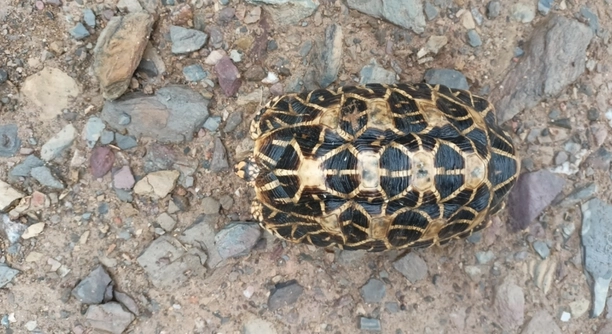
Star tortoises are fascinating pets, and many owners want to ensure they provide the best diet possible. Understanding what they can eat is crucial for their health and well-being. This article explores whether carrots are suitable for star tortoises.
Star tortoises can eat carrots in moderation, as they offer beneficial nutrients. However, carrots should not be a primary part of their diet due to their high sugar content. It is best to feed them carrots occasionally as a treat.
Feeding your tortoise a variety of vegetables will help maintain a balanced diet and promote their overall health.
Nutritional Value of Carrots for Star Tortoises
Carrots are a popular vegetable, known for their high levels of beta-carotene, a form of Vitamin A that is important for vision, skin health, and immune function. They also contain fiber, which aids digestion and promotes a healthy gut. For star tortoises, carrots can offer some nutritional value when fed in moderation. However, their high sugar content should be considered. Too many carrots can lead to an imbalance in the tortoise’s diet, potentially causing issues like obesity. While the carrot provides essential vitamins and minerals, it should never be relied upon as a staple food source. Instead, consider offering it as an occasional treat, not as a daily item.
Moderation is key when feeding your star tortoise carrots, ensuring they benefit without risking overfeeding sugar.
Instead of relying heavily on carrots, a more balanced diet for star tortoises includes a mix of leafy greens, grasses, and safe vegetables. These foods are richer in nutrients and lower in sugar, providing a more suitable nutritional profile for your tortoise’s needs. Introducing a variety of vegetables can also prevent dietary boredom and help support overall health. Carrots can be offered alongside these other foods, but should always be limited to maintain a well-rounded diet.
How Often Should Carrots Be Fed?
Carrots should be offered to your star tortoise only occasionally, about once or twice a week. This helps prevent overfeeding of sugar.
When feeding carrots, remember to chop them into small pieces to avoid choking hazards. Overfeeding carrots can result in too much sugar in the diet, leading to potential weight gain.
Risks of Overfeeding Carrots
Feeding too many carrots can lead to excessive sugar intake, which is unhealthy for star tortoises. While they enjoy the treat, it can affect their overall health if offered too often.
Excessive sugar in their diet can lead to obesity, which may cause other health problems, such as metabolic bone disease. Since carrots are low in calcium and high in phosphorus, relying on them as a frequent food source can also disrupt the calcium-to-phosphorus ratio that is crucial for bone health. Over time, this imbalance may affect the tortoise’s shell and skeletal structure.
Carrots also lack the essential fiber and nutrients found in other vegetables that are important for your star tortoise’s digestive system. A diet focused mainly on carrots could result in digestive issues, making it difficult for your tortoise to properly process and absorb other essential nutrients. The best approach is to provide carrots sparingly and focus on nutrient-dense, fiber-rich vegetables instead.
Best Vegetables for Star Tortoises
To ensure your star tortoise gets a well-balanced diet, incorporate leafy greens and fibrous vegetables. These are ideal for long-term health.
Leafy greens such as dandelion greens, collard greens, and mustard greens are nutrient-dense options that provide essential vitamins and minerals. They also help maintain proper hydration and support your tortoise’s digestive system. Fiber-rich vegetables like squash, bell peppers, and zucchini can complement these greens, offering variety in texture and flavor. Including a mix of these vegetables in your tortoise’s diet ensures that they receive the necessary vitamins, minerals, and fiber while keeping their diet exciting.
How to Prepare Carrots for Star Tortoises
Carrots should always be washed thoroughly before feeding your star tortoise. Remove any dirt or pesticides to ensure safety.
Cutting carrots into small, manageable pieces will help your tortoise eat them more easily. This also prevents choking and makes it easier for them to digest. Avoid offering whole carrots, as they may be difficult for your tortoise to handle.
Hydration and Diet Balance
Star tortoises need a balanced diet that includes plenty of water. Hydration is crucial for their health and digestion.
Including hydrating vegetables, like cucumbers and watermelon, alongside regular greens can help keep your tortoise properly hydrated. This supports their overall health and ensures their organs function optimally, promoting healthy digestion and absorption of nutrients.
FAQ
Can star tortoises eat other fruits and vegetables?
Yes, star tortoises can eat a variety of fruits and vegetables, but it’s important to choose those that are safe and appropriate for them. Some good options include leafy greens, squash, bell peppers, and melons. Avoid feeding them fruits high in sugar, such as grapes or citrus fruits, as these can upset their digestive system. Always introduce new foods gradually to see how your tortoise reacts.
Is it okay to feed star tortoises carrots every day?
No, it’s not recommended to feed your star tortoise carrots every day. While carrots are a good source of beta-carotene, their high sugar content means they should only be given occasionally. Overfeeding carrots can lead to health issues like obesity or digestive problems. A balanced diet of greens and fibrous vegetables is much more beneficial.
How much food should I feed my star tortoise daily?
The amount of food you should feed your star tortoise depends on its size and age. Generally, adult star tortoises require about 1 to 2 cups of food per day. Younger tortoises may need more, but you should feed them smaller amounts multiple times throughout the day. Always ensure that they have access to fresh water and avoid overfeeding, as they are prone to obesity.
Are there any vegetables I should avoid feeding my star tortoise?
Yes, some vegetables should be avoided, such as those with high oxalate content (e.g., spinach) and starchy vegetables like potatoes. These can interfere with calcium absorption or cause digestive issues. Additionally, avoid feeding star tortoises iceberg lettuce, as it offers little nutritional value and can cause diarrhea. Stick to dark leafy greens and fibrous vegetables for the best nutrition.
What is the best way to introduce new foods to my star tortoise?
Introducing new foods should be done gradually to avoid upsetting your tortoise’s digestive system. Start by offering a small amount of the new food alongside familiar foods to see if they accept it. Over time, you can increase the portion size. If your tortoise refuses a food, don’t force it. Instead, try offering it again at a later time.
Can star tortoises eat flowers?
Yes, star tortoises can eat certain types of flowers. Safe flowers for tortoises include hibiscus, dandelions, and marigolds. However, not all flowers are safe, and some may be toxic. Make sure to research any flowers before offering them to your tortoise, and avoid using flowers that have been treated with pesticides or chemicals.
Can I feed my star tortoise meat or protein?
Star tortoises are primarily herbivores, and their diet should consist mainly of plants. However, some tortoises in the wild may eat small amounts of animal matter, like insects or snails. It’s best to avoid feeding them meat or protein sources in captivity, as it can lead to health issues and imbalance in their diet. Stick to plant-based foods for optimal health.
How often should I bathe my star tortoise?
Bathing your star tortoise once or twice a week is generally enough to keep them clean and hydrated. Fill a shallow dish with lukewarm water, ensuring your tortoise can sit comfortably. Bathing helps with hydration and also provides an opportunity for your tortoise to soak and relieve itself. Always monitor them during bath time to avoid any accidents.
Do star tortoises need calcium supplements?
Yes, star tortoises need calcium to support strong bones and a healthy shell. A calcium supplement can be beneficial, especially if their diet is not providing enough calcium. You can sprinkle a calcium powder over their food once or twice a week, or offer a calcium block. Make sure the calcium supplement does not contain phosphorus, as it can interfere with calcium absorption.
What other treats can I give my star tortoise?
Aside from carrots, star tortoises can enjoy various other treats, such as dandelion greens, kale, or small amounts of fruits like strawberries or melon. These treats should be offered in moderation to avoid upsetting their nutritional balance. Remember, treats should not make up more than 10% of their overall diet.
How do I know if my star tortoise is healthy?
A healthy star tortoise will have clear, bright eyes, an intact shell without cracks or damage, and an active appetite. They should be moving around regularly and not appear lethargic or overly sluggish. If you notice any unusual behavior, such as lack of appetite, shell discoloration, or difficulty moving, it could indicate a health issue. Consult a vet if you have concerns about your tortoise’s health.
Final Thoughts
Caring for a star tortoise involves providing a balanced diet that includes a variety of vegetables and occasional treats. While carrots are a healthy option in moderation, they should not be the main food source. It’s essential to focus on leafy greens, fibrous vegetables, and other nutrient-dense foods to ensure your tortoise receives all the necessary vitamins and minerals. Avoid overfeeding high-sugar vegetables, as this can lead to health problems like obesity and digestive issues. Always remember to offer food that supports your tortoise’s long-term health.
When feeding your star tortoise, consider their natural diet, which consists mainly of plant-based foods. Providing a variety of leafy greens, such as dandelion greens, collard greens, and mustard greens, helps to maintain their health. These vegetables offer essential nutrients like calcium and fiber that promote strong bones and healthy digestion. Along with these, including vegetables like bell peppers, squash, and zucchini can help keep your tortoise’s diet varied and interesting. It’s also important to provide access to fresh water daily to keep them hydrated.
In addition to a proper diet, make sure your star tortoise has a suitable environment to thrive in. Regular bathing, adequate space for movement, and appropriate temperature conditions are all essential for their well-being. Providing the right food along with a healthy living environment will ensure your tortoise leads a long, happy life. By paying attention to their needs and maintaining a balanced diet, you’ll help them stay healthy and active for years to come.

Hello,
If you enjoy the content that we create, please consider saying a "Thank You!" by leaving a tip.
Every little bit helps us continue crafting quality advice that supports the health, happiness, and well-being of pets around the world, for pets of all shapes, sizes, and species.
We really appreciate the kindness and support that you show us!