
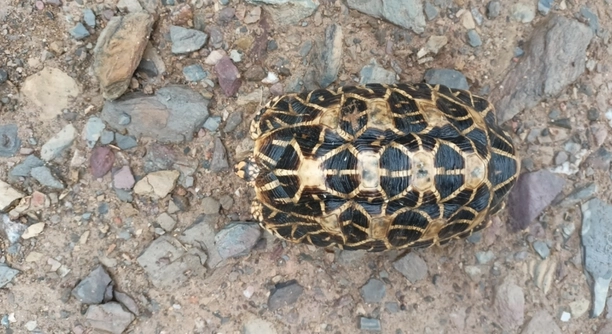
Star tortoises are popular pets for reptile lovers, known for their beautiful patterns and calm nature. However, like all pets, they require proper care to thrive. One crucial factor in their well-being is their exposure to sunlight.
Excessive sun exposure can harm a star tortoise. Overheating or sunburn can cause serious health issues such as dehydration, organ damage, or even death. It’s essential to understand the risks of too much sun for their safety.
Proper care means knowing when enough is enough, ensuring your star tortoise enjoys the sun safely while avoiding harm. Keep reading to learn about the dangers of overexposure to sunlight.
The Risks of Overheating in Star Tortoises
When star tortoises are exposed to too much sun, they can easily become overheated. Tortoises, unlike mammals, do not sweat to regulate their body temperature. This makes them vulnerable to heatstroke, especially when the environment is too hot or they can’t find a cool spot to retreat to. Heatstroke can be fatal if not addressed quickly, as it affects their organs and brain. In some cases, symptoms of heatstroke include excessive panting, lethargy, and an inability to move.
Heatstroke is one of the leading risks when a tortoise gets too much sun. The best way to avoid this is by ensuring they always have access to a shaded area or a place to cool off.
Keeping your star tortoise in a regulated environment will prevent overheating. You can provide shade using natural objects like plants or artificial structures. Another option is placing your tortoise indoors during the hottest parts of the day. Pay attention to your pet’s behavior—if it seems excessively tired or sluggish, it’s time to remove them from the sun. Keeping an eye on their body temperature is essential for their health.
Sunburn and Skin Damage
Excessive sun exposure can also lead to sunburns. A tortoise’s skin, while tough, is still sensitive to UV rays. Sunburns can cause pain and irritation, making your tortoise uncomfortable.
Star tortoises, when exposed to too much sunlight, can develop painful burns on their skin. These burns can cause lasting damage, leading to scarring or infections.
Dehydration from Excessive Sun
Too much sun can cause dehydration in star tortoises. If they don’t have access to water or shaded areas, they can quickly lose moisture. Dehydration can affect their digestion, energy levels, and overall health.
To prevent dehydration, make sure your star tortoise has constant access to fresh water. You should also mist their environment regularly or offer them a shallow dish to soak in. A properly hydrated tortoise will be more active and healthy, avoiding many of the risks linked to sun exposure.
Overexposure to the sun causes a tortoise to lose water faster than it can replenish. This is especially true in very hot climates where they may not realize how dehydrated they are becoming. It’s important to always monitor their water intake, especially on sunny days, to avoid long-term health issues like kidney failure or constipation. Keeping them hydrated is one of the most crucial parts of their care.
Risk of Heat-Induced Stress
Prolonged sun exposure can also put stress on a star tortoise. When they get too hot, their bodies go into a state of stress, affecting their overall well-being.
Stress impacts tortoises by lowering their immune system, making them more susceptible to diseases. A stressed tortoise may also eat less, which can result in weight loss and malnutrition. If this stress continues over time, it can lead to serious health issues. Making sure your tortoise can find shade when needed is key to avoiding this.
If you notice your star tortoise becoming irritable or unusually active during hot weather, this could be a sign of heat stress. You should immediately move them to a cooler area, especially during peak sun hours. Creating a cool environment for your pet can help reduce stress and keep them healthy.
Impact on Growth and Development
Excessive sun can slow down the growth of star tortoises, especially if they are too young. When they are constantly exposed to heat, their body functions may not work properly, affecting their overall growth.
When a tortoise is too hot, its metabolism becomes inefficient, meaning it won’t grow at a healthy pace. This can lead to stunted growth or developmental issues, making it difficult for them to reach full size. Ensuring proper temperature regulation in their environment will support their healthy growth.
Proper temperature control helps young tortoises grow and develop correctly. Avoid leaving them in direct sunlight for too long and make sure they have access to both warm and cool areas to regulate their body temperature.
Organ Damage from Overheating
Continual sun exposure can lead to internal organ damage. The heat puts strain on vital organs like the kidneys, heart, and liver.
If a star tortoise remains too hot for too long, the stress on its organs may result in long-term damage. It is essential to provide a cool environment, especially for older tortoises, whose organs are more vulnerable to heat.
Risk of Respiratory Problems
Excessive sun can also lead to respiratory problems. Heat exposure can irritate their lungs and make breathing difficult.
FAQ
How much sun does a star tortoise need?
Star tortoises require moderate sun exposure for proper vitamin D3 production, which is essential for calcium absorption and shell health. Around 2-4 hours of direct sunlight per day is usually enough. If sunlight is not available, providing a UVB light indoors can help meet their needs. However, ensure that they have access to shaded areas where they can cool down when needed.
Can a star tortoise get sunburned?
Yes, a star tortoise can get sunburned. Their skin is sensitive to UV rays, and prolonged exposure without shade can cause burns. These sunburns can cause redness, blistering, or scarring. It’s important to monitor their sun exposure and provide shaded areas to prevent this from happening. If you notice signs of sunburn, move them to a cooler area and allow them to recover.
How can I tell if my star tortoise is overheated?
Signs that your star tortoise is overheated include excessive panting, lethargy, and a lack of movement. They may also hide more often or appear to be seeking cool places. If your tortoise is showing these signs, it’s crucial to move them into the shade and offer water. If symptoms persist, seek a vet.
What should I do if my star tortoise gets too much sun?
If your tortoise has been overexposed to the sun, immediately take them to a cooler area with shade. Offer them fresh water and monitor their behavior closely. If you notice signs of heatstroke, such as weakness, loss of balance, or deep, labored breathing, contact a vet immediately.
Can too much sun cause dehydration in a star tortoise?
Yes, too much sun can lead to dehydration. Tortoises can easily lose water when exposed to direct heat for extended periods. This can lead to various health problems, including kidney issues and digestive troubles. Ensure your star tortoise always has access to fresh water, and offer them a shallow dish for soaking to help with hydration.
Should I keep my star tortoise outside in the sun all day?
No, it’s not advisable to keep a star tortoise outside all day under the sun. While they need sun for their health, they also need access to shade and a cooler area to avoid overheating and dehydration. Sun exposure should be limited, with time for them to cool off in a shaded or indoor space.
How can I create a safe environment for my star tortoise?
To create a safe environment, provide areas with both sun and shade, as well as a space where your tortoise can cool down. You can use plants or rocks for natural shade or set up a shaded shelter. Ensure there’s always fresh water available and that the tortoise is protected from extreme temperatures.
Is it dangerous to keep my star tortoise indoors with no sunlight?
Keeping a star tortoise indoors without sunlight can be harmful. They require UVB light to produce vitamin D3, which helps them absorb calcium. Without UVB light, they can develop metabolic bone disease, weakened shells, or other health issues. You can use special UVB bulbs to simulate sunlight indoors and support their health.
How do I know if my star tortoise is stressed from the sun?
Stress from too much sun exposure can be seen through behaviors like excessive hiding, loss of appetite, or unusual activity levels. They may become more aggressive or irritable. If your tortoise seems out of sorts after being in the sun, remove them from the heat and monitor their behavior for improvement.
Can star tortoises handle very hot weather?
Star tortoises can tolerate warm weather but not extreme heat. Temperatures that exceed 95°F (35°C) for prolonged periods can be dangerous. They may not be able to regulate their body temperature effectively, leading to overheating or heat stress. Always provide access to shaded areas and cool spots during hot weather.
What temperature is ideal for a star tortoise?
The ideal temperature for a star tortoise is around 75°F to 85°F (24°C to 29°C). During the day, they can tolerate brief exposure to higher temperatures, but at night, temperatures should drop to around 70°F (21°C) to mimic natural conditions. It’s important to maintain a stable temperature range to keep them comfortable.
How do I protect my star tortoise from sunburn during outdoor time?
To protect your tortoise from sunburn, ensure they have a shaded area to retreat to during outdoor time. You can use outdoor shelters or natural objects like rocks and plants. Additionally, avoid leaving your tortoise in direct sunlight for long periods, especially during midday when the sun is strongest.
Can star tortoises get sick from too much sun exposure?
Yes, excessive sun exposure can weaken a star tortoise’s immune system, making them more susceptible to infections and other health problems. Heat stress, dehydration, and sunburn can all lead to illness. It’s essential to provide a balanced amount of sunlight and ensure they have adequate shade and water to stay healthy.
How often should I check my star tortoise’s skin for sun damage?
You should regularly check your star tortoise’s skin for signs of sun damage, especially if they have been outside during the warmer months. Look for any redness, blisters, or peeling skin, which are signs of sunburn. Regular checks will help you catch problems early before they become serious.
Can sun exposure affect the shell of a star tortoise?
Yes, sun exposure can affect a tortoise’s shell if it’s too much or too prolonged. Prolonged sun exposure without proper hydration can lead to shell deformities, dryness, and cracking. Keeping your tortoise hydrated and ensuring they have both sun and shade is essential for shell health.
What is the best way to prevent overheating in star tortoises?
To prevent overheating, provide a shaded area where your tortoise can retreat when needed. Ensure they have access to fresh water at all times and avoid letting them stay in direct sunlight for too long. You can also regulate the temperature of their enclosure if keeping them indoors.
Final Thoughts
Taking care of a star tortoise involves understanding their needs for both sunlight and shade. While these tortoises do require exposure to UVB light for proper health, too much sun can lead to serious problems like dehydration, overheating, or sunburn. It’s essential to provide them with a balanced environment where they can enjoy the benefits of sunlight without suffering from its harmful effects. By monitoring their time outside and ensuring they always have access to cool, shaded areas, you can help prevent these issues.
Proper hydration is also crucial for a star tortoise’s well-being. Excessive sun can cause them to lose water quickly, leading to dehydration, which can affect their organs and overall health. Make sure your tortoise always has access to fresh water and a shallow dish to soak in. If you live in a hot climate or have long periods of direct sunlight, providing them with a safe, cool space will be important. This can be achieved by creating shaded areas, using shelters, or bringing them indoors during the hottest parts of the day.
Remember, each star tortoise is unique and may have different needs depending on its age, size, and health. While some tortoises can tolerate more sun than others, it’s always best to keep a watchful eye on their behavior and condition. If you notice signs of stress or discomfort, such as excessive hiding, lethargy, or difficulty moving, it’s important to remove them from the sun immediately. With the right care and attention, your star tortoise can thrive in a safe, balanced environment that supports its health and happiness.

Hello,
If you enjoy the content that we create, please consider saying a "Thank You!" by leaving a tip.
Every little bit helps us continue crafting quality advice that supports the health, happiness, and well-being of pets around the world, for pets of all shapes, sizes, and species.
We really appreciate the kindness and support that you show us!