
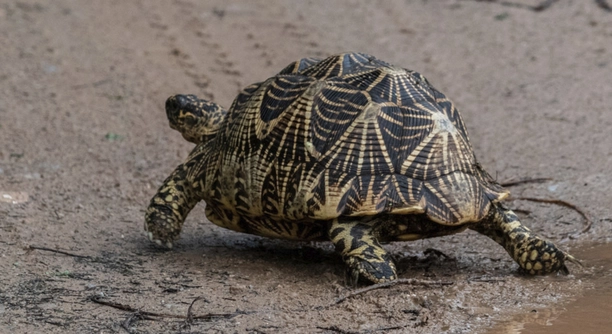
Creating the right environment for a star tortoise involves providing proper habitat elements, including plants. These plants not only enrich their enclosure but also offer nutritional benefits. Understanding which plants work best is key to their well-being.
The best plants for a star tortoise enclosure are those that are non-toxic, nutritious, and easy to care for. Some plants offer a combination of shade, texture, and food, contributing to a natural and enriching environment for your tortoise.
Choosing the right plants for your tortoise’s home is essential. We will explore the best options that cater to their needs and create a comfortable space.
Why Choose the Right Plants for Your Star Tortoise Enclosure?
When setting up a star tortoise enclosure, plants play a significant role in providing a natural and stimulating environment. The right plants offer more than just visual appeal—they can also be a food source and help maintain a balanced ecosystem. Star tortoises are herbivores and enjoy grazing on various types of plants, so it’s important to pick ones that are safe and nutritious. The plants in their enclosure can also provide shade, hiding spots, and texture for climbing and exploring. Ensuring that the plants are safe and suitable for your tortoise’s needs will help keep them healthy and active.
Choosing plants that are non-toxic, low maintenance, and compatible with the climate of the enclosure can save you time and effort. If you want to make the most of your setup, it’s important to consider how the plants will interact with the tortoise’s behavior. Well-selected plants can make a tortoise’s living space more enjoyable while also serving their nutritional needs.
Now that we understand why the right plants matter, let’s look at some of the best choices for a star tortoise enclosure.
Best Plants to Grow for Your Star Tortoise
Many plants are ideal for growing in your tortoise’s enclosure, but not all are suitable. You should aim for a variety of plants that offer different textures, colors, and sizes.
One of the best plants for your star tortoise’s enclosure is dandelion. It’s easy to grow, abundant, and safe for tortoises to eat. Dandelions are a natural source of vitamins and minerals and are perfect for grazing. They also thrive in various climates and can be placed in the enclosure with little effort. Another great option is clover, which is low maintenance and offers your tortoise an excellent source of fiber. Clover can grow quickly and naturally spread in the enclosure, giving your tortoise a place to graze without taking up much space.
When planting these species, ensure they are free from pesticides or chemicals that could harm your tortoise. Most plants like dandelions and clover don’t require much care but should be regularly monitored for pests. Keep in mind that some plants, such as dandelions, may need to be replanted periodically to ensure a steady food supply. Together, these plants provide a balanced diet and a stimulating environment for your star tortoise.
Plants That Are Easy to Maintain
When choosing plants for your tortoise, it’s important to pick varieties that don’t require too much attention. Low-maintenance plants are perfect because they can thrive in the enclosure without constant care. These plants help create a healthy environment with minimal effort.
Cress is an excellent choice for a low-maintenance plant. It grows quickly and doesn’t need much attention to stay healthy. It also provides your tortoise with a nutritious snack and can be easily replaced if it starts to wilt. Another great option is plantain. This plant is hardy and grows well in a variety of conditions. It’s an excellent source of vitamins and fiber, making it a great addition to your star tortoise’s diet. Both cress and plantain offer a natural way to add nutrients to the enclosure while staying easy to manage.
For best results, place these plants in well-lit spots where they can get enough sunlight. They will thrive in a warm, dry environment and require minimal watering. Be sure to monitor them for pests but expect minimal maintenance once they’re established in the enclosure.
Edible Plants That Benefit Your Star Tortoise
Edible plants are a key part of any star tortoise enclosure. These plants provide a nutritious and tasty food source for your tortoise. Choosing plants that are both safe and healthy is crucial for your tortoise’s well-being.
Dandelions are not only great for adding natural beauty to the enclosure, but they are also rich in vitamins and minerals that your tortoise needs. Dandelions are completely safe for tortoises to eat and are a favorite snack. Another plant worth considering is hibiscus. Both the leaves and flowers are edible for tortoises, and the flowers have a sweet taste that many tortoises enjoy. Hibiscus plants are easy to grow and can be a colorful, nutritious addition to the enclosure.
Providing a variety of edible plants ensures your tortoise has a balanced diet. These plants not only offer food but also enrich the space. Your tortoise will enjoy the opportunity to forage and graze, keeping them active and healthy.
Plants for Shade and Shelter
Providing shade and shelter for your star tortoise is essential. These plants not only create a cooler, more comfortable environment but also offer hiding spots that help your tortoise feel secure. Choose plants that grow tall or spread out to give your tortoise enough coverage.
A great option is the prickly pear cactus. Not only does it provide shade, but it also creates a safe space where your tortoise can hide and rest. Another plant to consider is the umbrella plant, which has large leaves that spread out and offer good coverage. Both these plants will provide valuable shade while being safe for your tortoise.
Prickly pear cactus also provides a healthy snack for your tortoise, as it’s safe for them to eat. It requires little maintenance, just occasional watering and the right amount of sunlight. The umbrella plant, on the other hand, grows quickly and can be trimmed to keep the enclosure neat while still providing coverage.
Decorative Plants That Are Safe for Tortoises
Decorative plants can add beauty to your star tortoise enclosure. However, it’s essential to pick ones that won’t harm your tortoise. These plants should complement the environment while being safe to interact with.
Some great decorative options include marigolds and nasturtiums. Both plants are non-toxic and provide vibrant color, which enhances the look of the enclosure. Marigolds are easy to grow and bloom regularly, adding bright hues to the space. Nasturtiums offer not only visual appeal but also are edible and provide a crunchy snack for your tortoise. Both plants are safe and require minimal care.
Plants That Help with Humidity Control
Certain plants can help regulate humidity levels in your star tortoise enclosure. These plants can absorb moisture from the air and reduce the need for extra humidity control measures. This can keep the enclosure’s atmosphere comfortable.
One good plant for this purpose is the spider plant. It thrives in humid environments and helps balance the moisture levels. Another option is the peace lily, which can absorb excess moisture in the air, preventing it from becoming too damp. Both plants are safe for tortoises and low-maintenance.
FAQ
What types of plants are safe for a star tortoise enclosure?
The best plants for a star tortoise enclosure are those that are non-toxic, edible, and easy to care for. Safe plants include dandelion, clover, hibiscus, plantain, and marigolds. These plants are all safe for tortoises to eat and can provide both food and shelter. It’s important to avoid plants that are toxic to tortoises, such as oleander or ivy, as they can cause serious harm. Always research a plant before adding it to your tortoise’s space to ensure it’s safe for them to interact with.
Can star tortoises eat all types of plants?
No, not all plants are safe for star tortoises. Some plants can be harmful or even toxic to them. For example, avoid plants like ivy, aloe vera, and certain flowers that may contain harmful chemicals. It’s crucial to do research and ensure the plants you select are safe and edible for tortoises. Stick with common edible plants like dandelions, hibiscus, and clover, which are known to be safe and nutritious. Always monitor your tortoise to ensure they are only eating safe plants.
How often should I replace plants in my tortoise’s enclosure?
Plants in your tortoise’s enclosure may need to be replaced depending on how quickly they grow and how much your tortoise grazes on them. Some plants, like dandelions and clover, can grow back quickly, but others might need to be replanted every few weeks. Regularly check the health of the plants and remove any that are wilting, damaged, or becoming overgrazed. Replanting edible plants ensures your tortoise always has fresh food available while keeping the enclosure tidy and healthy.
Can I use potted plants in a star tortoise enclosure?
Yes, potted plants can be used in a star tortoise enclosure, but there are a few things to consider. Potted plants can provide a stable growing environment, especially for more delicate or slower-growing plants. However, potted plants may require more frequent watering and maintenance compared to directly planted ones. Ensure that the pots are large enough to allow roots to grow, and make sure the plants are not too tall or heavy for the space. Also, be careful that the pot doesn’t tip over when the tortoise interacts with it.
Should I add decorative plants to my star tortoise enclosure?
Decorative plants, like marigolds or nasturtiums, can add beauty and color to your star tortoise’s enclosure. As long as the plants are non-toxic and safe for your tortoise to eat, they can serve both an aesthetic and functional purpose. These plants are low-maintenance, grow quickly, and provide your tortoise with additional snacks. However, make sure they are not harmful if eaten in large quantities, and monitor your tortoise’s interaction with them. Decorative plants are a great way to enhance the enclosure while also benefiting your tortoise’s diet.
How do I ensure my plants thrive in a star tortoise enclosure?
To help your plants thrive in a star tortoise enclosure, make sure they receive proper sunlight, water, and space to grow. Most plants will do well in a warm, dry environment, which matches the natural habitat of a star tortoise. Keep the enclosure in a spot with plenty of natural light or use a UVB light if natural light is insufficient. Water the plants regularly, but be careful not to overwater, as this can cause mold or mildew to grow. Ensure that the plants are not crowded and have enough space to grow without getting damaged by your tortoise.
How can I prevent my star tortoise from overeating plants?
Overeating plants can lead to digestive issues for your star tortoise, so it’s important to control how much they eat. One way to do this is by ensuring a variety of plants in the enclosure, allowing the tortoise to graze on different types. You can also place food in different areas of the enclosure to encourage natural foraging behavior. Make sure you don’t overcrowd the enclosure with too many plants, as this can make it harder for your tortoise to avoid overeating. Regularly remove damaged or overgrazed plants to prevent your tortoise from consuming too much of one type.
Can I use artificial plants in a star tortoise enclosure?
Artificial plants can be used in a star tortoise enclosure for decoration, but they should not be used as a food source. While they can add visual interest and help create hiding spots, artificial plants don’t provide any nutritional value. Additionally, be cautious about choosing plants that may have sharp edges or materials that could potentially harm your tortoise. It’s best to use artificial plants sparingly and focus on providing real, safe plants for your tortoise to eat. Make sure any artificial plants you choose are non-toxic.
What are the best plants for providing shelter in the enclosure?
Plants that grow tall or spread out are best for providing shelter in a star tortoise enclosure. Options like the umbrella plant and prickly pear cactus work well because they create shaded areas where your tortoise can hide and rest. These plants also offer a bit of protection from extreme temperatures and create a more natural environment for your tortoise. Additionally, plants with broad leaves can act as a canopy, offering comfort and shelter, helping to reduce stress in your tortoise.
How do I maintain humidity levels in the enclosure with plants?
Plants can help regulate humidity in the star tortoise’s enclosure by absorbing excess moisture from the air. Plants like peace lilies and spider plants are particularly effective in controlling humidity. These plants naturally thrive in more humid environments and can help keep the air at a comfortable level for your tortoise. However, make sure the humidity levels don’t get too high, as star tortoises prefer a dry climate. Use a humidity meter to monitor the environment, and adjust watering as needed to maintain the right balance.
Final Thoughts
Choosing the right plants for a star tortoise enclosure is essential for creating a comfortable and healthy environment. Plants offer a range of benefits, from providing food to offering shelter and shade. The plants you select should be safe, easy to care for, and suitable for your tortoise’s needs. By offering a variety of plants, you can ensure that your tortoise has a balanced diet and an enriching space to explore. Whether you’re adding edible plants like dandelions or creating shaded areas with tall plants, each choice plays a role in supporting your tortoise’s well-being.
It’s important to avoid harmful plants that could be toxic to your tortoise. Always do your research before introducing any new plants to the enclosure. While some plants may seem harmless, others may contain substances that could be harmful. Focusing on non-toxic, natural plants that align with your tortoise’s diet and habitat will help keep your pet healthy. Regularly monitor the plants to ensure they’re thriving and safe. With the right care, plants will provide lasting benefits for your tortoise, enriching their living space and encouraging natural behaviors like grazing and hiding.
Ultimately, creating the right environment for your star tortoise involves more than just selecting the best plants. It’s also about maintaining the enclosure and ensuring that the habitat remains clean and comfortable. This includes removing overgrown or damaged plants, making sure your tortoise has enough space to roam, and monitoring the overall temperature and humidity. The plants you choose should complement the habitat, providing a natural and enjoyable environment for your tortoise to thrive.

Hello,
If you enjoy the content that we create, please consider saying a "Thank You!" by leaving a tip.
Every little bit helps us continue crafting quality advice that supports the health, happiness, and well-being of pets around the world, for pets of all shapes, sizes, and species.
We really appreciate the kindness and support that you show us!