
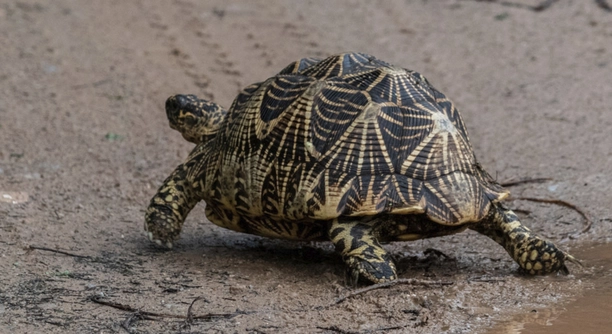
A star tortoise is a beloved pet that requires specific care to thrive. It’s important to monitor its environment to ensure it stays comfortable and healthy. Knowing how to spot signs of discomfort is crucial for its well-being.
If your star tortoise is too hot, it can show several signs of distress. Overheating can cause excessive lethargy, loss of appetite, and abnormal behavior. Providing a cooler, shaded environment with a stable temperature range will help maintain your tortoise’s health.
By recognizing the signs early, you can take steps to adjust their habitat. This will help your tortoise stay comfortable and avoid stress or harm.
Understanding the Ideal Temperature for Your Star Tortoise
The ideal temperature for a star tortoise is essential for its overall health. These reptiles thrive in a warm environment, but too much heat can cause significant stress. A basking spot should be around 90-95°F (32-35°C), while the cooler side of the enclosure should range between 75-80°F (24-27°C). If the temperature is too high, it can lead to overheating, which can harm your tortoise.
Temperature fluctuations can stress your tortoise. Keeping the temperature stable ensures that your pet stays healthy and active. Consider using a thermometer to monitor the environment closely.
To prevent any issues, provide a thermal gradient with a cooler area for your tortoise to retreat to if it gets too hot. This balance helps maintain your pet’s comfort, reducing the likelihood of overheating.
Signs of Overheating in a Star Tortoise
Excessive heat can make your tortoise sluggish and uncomfortable. One of the first signs to watch for is if your tortoise becomes unusually inactive or seeks out cooler spots in its enclosure.
Your star tortoise may start behaving differently if it’s too hot. If it stops eating or drinking and appears to be in distress, it could be a sign of heat stress. The tortoise may also begin to breathe more heavily as it tries to cool itself down. These behaviors should not be ignored. Immediate action is needed to lower the temperature and provide a more comfortable environment for your tortoise.
Monitoring Your Tortoise’s Behavior for Heat Stress
A star tortoise that is too hot may display signs of stress. It will be more sluggish and less active. Additionally, it may exhibit odd behaviors like pacing or hiding. These signs can be early indicators of discomfort caused by high temperatures.
Watch your tortoise closely to understand how it reacts to temperature changes. If it starts to avoid basking or seems overly lethargic, the temperature may be too high. It may also stop eating or drinking, which is a significant concern. If your tortoise shows any of these signs, consider adjusting the enclosure temperature immediately to avoid long-term harm.
Ignoring these signs can lead to dehydration, weight loss, or worse, organ failure. A star tortoise depends on its environment to stay healthy, so taking swift action to correct overheating is crucial.
Providing Relief from Overheating
If your tortoise is showing signs of overheating, the first thing to do is move it to a cooler area. Adjust the basking spot temperature and make sure the cooler area is within its preferred range. Ensure plenty of shaded spaces for your tortoise to retreat.
It’s important to monitor the cooling process closely. While providing a cooler environment, make sure that the temperature isn’t dropped too quickly. A sudden shift can stress your tortoise even more. After adjusting the environment, give your tortoise some time to cool down and drink water. It may take some time for it to feel normal again. Keep an eye on its behavior to see if it becomes more active after the temperature has been corrected. If it doesn’t show improvement, further steps may be needed to address its health.
Using a Thermometer to Monitor Temperature
A thermometer is an essential tool for maintaining the correct temperature in your tortoise’s enclosure. It helps you avoid sudden temperature spikes that can cause overheating. Keeping the environment in check is vital for your tortoise’s health.
Place a thermometer in both the basking and cooler areas. This allows you to see if the temperature is within the proper range. A reliable thermometer will help ensure your star tortoise stays in a stable, comfortable environment, preventing any health issues related to temperature fluctuations.
Adjusting Lighting and Heating Sources
To prevent overheating, it’s crucial to adjust the lighting and heating sources in the enclosure. Make sure to use a UVB light to support your tortoise’s metabolism while providing proper heat without causing excessive warmth.
Overhead heat lamps or ceramic heat emitters should be positioned at an appropriate distance to avoid creating hot spots. The heat should be gradual, with no sharp temperature differences within the enclosure. By properly adjusting the heat source, you provide a more natural and comfortable setting for your tortoise, making it easier for it to regulate its body temperature.
FAQ
What temperature should a star tortoise be kept at?
A star tortoise should be kept in an environment with a basking spot between 90-95°F (32-35°C). The cooler side of the enclosure should be around 75-80°F (24-27°C). These temperature ranges are essential to ensure that your tortoise can regulate its body temperature properly. Maintaining this balance between hot and cool areas gives your tortoise the option to move between different temperatures based on its needs.
How can I tell if my star tortoise is too hot?
Signs that your tortoise is too hot include lethargy, lack of appetite, and excessive hiding. Your tortoise may also seek out cooler areas of its enclosure or begin to breathe more heavily. If you notice these behaviors, it’s important to check the temperature in the enclosure. If it’s too high, adjust it quickly to prevent stress or damage to your tortoise’s health.
What are the best ways to cool down a tortoise that is overheated?
If your star tortoise is overheated, move it to a cooler part of its enclosure immediately. Lower the basking light temperature, and ensure the cool side is within the proper range. It’s important to avoid sudden temperature drops, so allow the tortoise to gradually cool down. Providing fresh water may help encourage hydration, but avoid force-feeding it. Watch your tortoise’s behavior to ensure it recovers from the heat stress.
How often should I check the temperature in my tortoise’s enclosure?
It’s recommended to check the temperature at least twice a day. Once in the morning, before your tortoise becomes active, and again in the evening. This ensures the enclosure remains within the desired temperature range throughout the day. If you have multiple heat sources, checking the temperature more frequently may be necessary.
Can I use a heat mat for my star tortoise?
Yes, heat mats can be used to provide warmth, but they should be placed under the enclosure, not directly inside it. Heat mats offer a gentle heat source and can help maintain a stable temperature. However, they should not be the only source of heat. Always combine them with a basking light or other heat sources to create a proper thermal gradient in the enclosure.
Is it okay if the temperature in my tortoise’s enclosure fluctuates slightly?
Minor fluctuations in temperature are okay, but they should not be extreme. A slight drop or increase within the recommended ranges won’t harm your tortoise, but drastic changes can stress it. To avoid stress, try to keep the temperature stable, and use a thermometer to monitor it closely. If you’re using a heat lamp, consider adding a dimmer or timer to regulate the heat more effectively.
Can a star tortoise live in an outdoor enclosure?
Yes, star tortoises can live in outdoor enclosures, provided the climate is suitable for them. They need a warm, dry environment and should not be exposed to direct sunlight for too long. Ensure that the outdoor space has shaded areas where your tortoise can retreat when it gets too hot. Also, ensure the enclosure is secure to prevent escape or predators from getting in.
How do I know if my star tortoise is drinking enough water?
Star tortoises often don’t drink much from a water bowl, so it’s important to hydrate them by soaking them in shallow, lukewarm water for 15-20 minutes. This helps them absorb water through their skin. If your tortoise is not eating or showing signs of dehydration like dry skin or sunken eyes, you may need to encourage more hydration. Always ensure fresh water is available for drinking.
Should I use a humidifier for my star tortoise’s enclosure?
Humidity is important, but star tortoises prefer a dry environment. It’s best to maintain moderate humidity, around 40-50%. A humidifier may be needed if the air is too dry, especially in colder climates. Ensure the substrate is kept dry, and provide a shallow water dish for drinking and soaking.
Can I feed my star tortoise leafy greens to keep it hydrated?
Yes, leafy greens such as dandelion greens, collard greens, and turnip greens are not only hydrating but also provide essential nutrients. It’s important to feed a variety of vegetables and avoid watery fruits too often, as they can cause diarrhea. Feeding a balanced diet will help your tortoise stay hydrated and healthy. Always ensure the food is clean and pesticide-free.
How can I prevent my star tortoise from becoming too hot in its enclosure?
To prevent overheating, avoid placing your star tortoise’s enclosure in direct sunlight for extended periods. Ensure that the heat lamps or basking lights are set at the correct distance to maintain proper temperatures without creating hot spots. You can also add a timer to control the light cycle and prevent excessive heat buildup during the day.
Final Thoughts
Maintaining the proper temperature for your star tortoise is essential for its health and well-being. These animals rely on a carefully controlled environment to regulate their body temperature. By ensuring the enclosure has both a basking area and a cooler zone, you allow your tortoise to move between these areas as needed. A steady temperature range helps prevent stress and supports their overall metabolic processes. This can improve their appetite, energy levels, and general behavior.
Using a thermometer is a straightforward way to monitor and adjust the temperature in your tortoise’s home. Regular checks throughout the day will allow you to spot any issues before they become serious. Make sure the temperature in the basking area is within the recommended range, as excessive heat can lead to dehydration, overheating, or even death. Similarly, maintaining a cooler side helps your tortoise stay comfortable, especially when it needs to cool down or rest. Both extremes—too hot or too cold—can harm your star tortoise, so creating a balanced environment is key.
Finally, it’s important to remember that every tortoise is unique. Some may be more sensitive to temperature changes than others, so pay close attention to their behavior. If you notice any signs of discomfort, such as excessive hiding, breathing difficulties, or changes in appetite, it could indicate that the environment is not ideal. In these cases, adjusting the temperature or providing additional cooling methods, like more shade or a better ventilation system, can make a significant difference. Ensuring your star tortoise has the right temperature will help them thrive for years to come.

Hello,
If you enjoy the content that we create, please consider saying a "Thank You!" by leaving a tip.
Every little bit helps us continue crafting quality advice that supports the health, happiness, and well-being of pets around the world, for pets of all shapes, sizes, and species.
We really appreciate the kindness and support that you show us!