
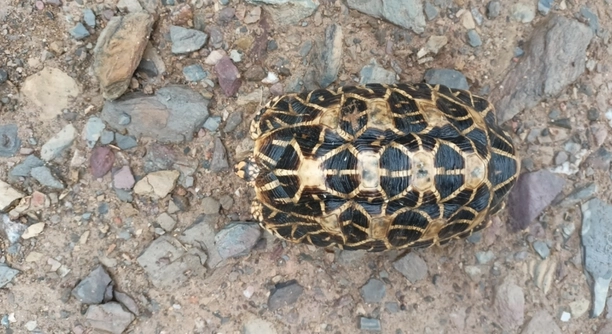
Star tortoises are wonderful companions, but keeping them healthy is essential. One aspect of their well-being is ensuring they maintain a proper weight. An overweight tortoise can face several health issues that need to be addressed.
To determine if your star tortoise is overweight, you should monitor its shell shape and overall appearance. Overweight tortoises often have a more rounded, bloated shell. Observing their movement and activity levels can also offer insight into their health status.
Understanding the signs of an overweight tortoise is important for its health and longevity. By recognizing these signs early, you can make adjustments to its diet and lifestyle to ensure it stays healthy.
How to Spot an Overweight Star Tortoise
When assessing whether your star tortoise is overweight, start by checking the shape of its shell. Healthy star tortoises have a slightly flattened, streamlined shell. If the shell appears overly round or bulging, this is a clear sign that your tortoise may be carrying excess weight. Weight issues in tortoises can stem from overfeeding, a poor diet, or a lack of physical activity. It’s important to consider all aspects of their environment, such as diet, enclosure size, and exercise.
In addition to the shell shape, monitor your tortoise’s mobility. Overweight tortoises may struggle to move around as easily, making it harder for them to explore or reach their food. Regular exercise can help them stay active and burn off extra calories.
You should also look for any signs of discomfort or lethargy. Overweight tortoises often spend a lot of time resting due to the strain excess weight places on their body. A decrease in their energy levels is a signal that they may need to make lifestyle changes. Keeping your star tortoise healthy involves closely observing these behaviors and making adjustments as necessary.
Diet: The Role of Food in Weight Gain
The diet of your star tortoise plays a large role in weight gain. A diet too high in fats and proteins can lead to obesity.
Tortoises are herbivores, and their meals should consist mainly of leafy greens and grasses. Avoid feeding them too much fruit or high-protein food like meat or pellets. Overfeeding is also a common issue, so portion control is essential. Ensure that their food is appropriately balanced to provide all the necessary nutrients without causing weight gain. Regularly change their diet to include a variety of safe vegetables to maintain a healthy intake.
Another factor to consider is the frequency of feeding. Some owners unintentionally overfeed their tortoises, thinking they need constant access to food. In reality, star tortoises only need food once or twice a day, and overfeeding them can lead to weight issues. Reducing food portions and sticking to a regular feeding schedule will help your tortoise maintain a healthy weight.
The Importance of Proper Exercise
Exercise is essential to keep your star tortoise fit and healthy. A lack of physical activity can lead to weight gain, just like in any other pet.
Providing enough space for your tortoise to move around is crucial. If your tortoise’s enclosure is too small, it will limit their ability to exercise, which may contribute to weight problems. A larger area encourages them to explore, walk, and dig. The more active they are, the better their metabolism works, helping prevent weight gain.
Offering outdoor time in a safe, enclosed area allows your tortoise to roam freely, encouraging natural movement. Tortoises benefit from exposure to natural sunlight, which also supports their overall health. As they roam and search for food, their activity levels increase, helping them maintain a healthy weight.
Monitoring Your Tortoise’s Behavior
Keep an eye on your tortoise’s behavior. Changes in their activity or eating habits are important indicators of weight gain.
If your star tortoise becomes more sedentary than usual, it could be a sign of overweight-related health issues. Tortoises that are carrying excess weight may have difficulty moving around or will often rest for extended periods. Watch for any signs of strain in their movements as this can indicate an unhealthy weight. Healthy tortoises are typically more active, seeking out food and exploring their environment regularly.
Another behavior to monitor is their appetite. Overweight tortoises may lose interest in food or eat too much, which can contribute to weight problems. If their eating habits change or they refuse food, it’s best to consult a veterinarian for advice. Understanding these behaviors will help you manage your tortoise’s health and weight more effectively.
Shell Shape and Weight
The shape of your star tortoise’s shell can tell you a lot about its weight. A round, bloated shell is a sign that your tortoise may be overweight.
A healthy star tortoise has a slightly flattened shell. When excess weight is present, it can cause the shell to become more rounded, leading to discomfort and potential health problems. Keep an eye on these changes to track your tortoise’s condition.
The Role of Hydration
Proper hydration is essential for your tortoise’s health, including weight management.
A dehydrated tortoise may appear bloated or have difficulty moving. Make sure they always have access to fresh water. Dehydration can lead to metabolic problems, affecting digestion and contributing to weight issues. Hydration helps maintain a healthy balance and supports proper function.
Regular Weighing
Weigh your star tortoise regularly to monitor its weight.
Using a digital scale designed for small animals makes it easier to track weight changes over time. This method allows you to spot trends and take action early if your tortoise starts gaining weight. A healthy weight range is key for its overall well-being.
FAQ
How can I tell if my star tortoise is overweight?
To determine if your star tortoise is overweight, check for a round, bulging shell instead of the typical flat shape. Overweight tortoises often have difficulty moving around and may spend more time resting. Regularly monitoring its weight and behavior can help you spot changes early.
What should I feed my star tortoise to prevent weight gain?
Feed your star tortoise a diet mainly consisting of leafy greens like dandelion, kale, and collard greens. Avoid giving it too much fruit or high-fat foods like nuts and seeds. Control portion sizes and offer fresh food daily to ensure it doesn’t overeat.
Can I let my tortoise eat as much as it wants?
No, you should not let your tortoise eat as much as it wants. Overfeeding is a common cause of obesity. Stick to a portion-controlled feeding schedule, offering food once or twice a day. Regularly monitor your tortoise’s weight to avoid overfeeding.
How often should I exercise my star tortoise?
Exercise is crucial for your tortoise’s health. Ideally, it should have access to a large enclosure to roam around in every day. Outdoor time is beneficial too, as it encourages movement. Aim to give your tortoise as much time as possible to walk and explore safely.
Is it okay to give my star tortoise fruit as a treat?
Fruit should be offered sparingly to star tortoises. While it’s not harmful in small amounts, too much fruit can contribute to weight gain due to its high sugar content. Stick to small pieces of fruit once or twice a week to avoid excessive calories.
How do I prevent my star tortoise from becoming too sedentary?
Ensure your tortoise has enough space to roam. A small enclosure will limit its ability to move and exercise, contributing to weight gain. Providing an outdoor play area in a safe, enclosed environment can encourage more movement, helping keep your tortoise active and healthy.
Can a star tortoise’s weight affect its lifespan?
Yes, obesity can shorten your tortoise’s lifespan. Overweight tortoises are more likely to experience health problems like joint pain, heart issues, and a weakened immune system. Maintaining a healthy weight can help ensure that your tortoise lives a long, active life.
What are some signs that my tortoise is not getting enough food?
If your star tortoise is not eating regularly or showing interest in food, it may not be getting enough. Look for signs like weight loss, lethargy, or a noticeable decrease in activity. These could indicate that your tortoise is not receiving enough nutrition. Consult a veterinarian if you notice these changes.
Can I feed my tortoise a commercial pellet diet to prevent obesity?
Commercial pellets should not be the main part of your tortoise’s diet, but they can be offered as a supplement. Some commercial pellets contain too many fats and proteins, which can contribute to weight gain. Stick to fresh vegetables and grasses as the primary food source, and use pellets in moderation.
How can I help my overweight star tortoise lose weight?
If your star tortoise is overweight, reduce the amount of food you offer and make sure it’s a healthy, balanced diet. Increase its exercise by allowing it to roam in a larger enclosure or spend time outside. Consult a vet to create a weight-loss plan tailored to your tortoise’s needs.
Should I consult a vet if my tortoise is overweight?
Yes, it’s a good idea to consult a veterinarian if you suspect your tortoise is overweight. A vet can assess your tortoise’s health, provide dietary recommendations, and help you develop a plan to manage its weight. Regular checkups can also help prevent health issues related to obesity.
Is it safe to put my star tortoise on a diet?
Yes, it’s safe to put your tortoise on a diet, but it should be done gradually to avoid stressing its system. Make sure the diet is balanced with all the nutrients your tortoise needs. Gradual weight loss is important to avoid malnutrition or other health issues.
How do I measure my star tortoise’s weight?
You can use a small animal scale to measure your tortoise’s weight. Weigh it regularly to track changes over time. A consistent weight check can help you notice if your tortoise is gaining or losing weight, allowing you to adjust its care routine as needed.
Can I take my tortoise for walks on a leash?
It is not recommended to take your star tortoise on a leash. They can become stressed or injured from being restrained in this way. Instead, create a safe, enclosed outdoor space where your tortoise can roam freely, which will help it get exercise and stay healthy.
How can I make sure my star tortoise has a healthy shell?
A healthy shell is crucial for your tortoise’s overall well-being. Ensure it has a balanced diet, proper hydration, and access to UVB lighting. Regular outdoor time also helps maintain shell health. Monitor the shell for any signs of deformity or soft spots, which could indicate health issues.
Final Thoughts
Taking care of a star tortoise requires attention to its diet, exercise, and overall health. Ensuring it stays at a healthy weight is an important part of its care. Overweight tortoises are more likely to experience health issues, such as difficulty moving and even shorter lifespans. By monitoring its weight regularly, providing a proper diet, and offering opportunities for exercise, you can help your tortoise live a long, healthy life.
Pay attention to the warning signs of obesity, such as a rounded shell, sluggish movements, and trouble with daily activities. These can be early indicators that your tortoise may need adjustments in its diet or lifestyle. Regular weighing can help catch any weight gain before it becomes a bigger problem. It’s important to avoid overfeeding and to provide healthy food options like leafy greens while limiting sugary fruits or fatty treats. Keeping a balanced approach to feeding is key.
Creating a proper environment for your star tortoise is just as important. A larger enclosure with room to roam and regular outdoor time encourages exercise. This, combined with a proper diet and regular monitoring, can help maintain a healthy weight. Be sure to consult a veterinarian if you’re unsure about your tortoise’s health or weight. Following these steps will help ensure that your star tortoise remains active, happy, and healthy for many years to come.

Hello,
If you enjoy the content that we create, please consider saying a "Thank You!" by leaving a tip.
Every little bit helps us continue crafting quality advice that supports the health, happiness, and well-being of pets around the world, for pets of all shapes, sizes, and species.
We really appreciate the kindness and support that you show us!