
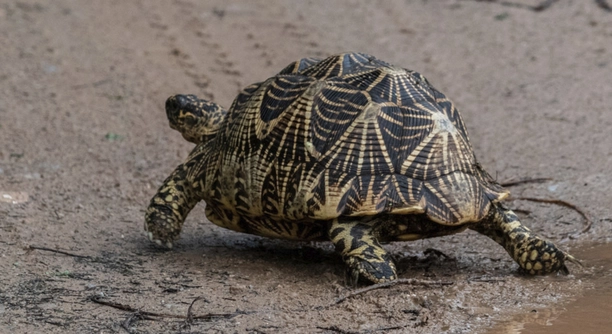
Star tortoises are fascinating creatures, known for their unique patterns and gentle demeanor. While many people wonder about their ability to swim, understanding their natural behavior is key to keeping them safe.
Star tortoises are not naturally equipped for swimming. Their heavy shells and short legs make it difficult for them to stay afloat. While they may tolerate brief water exposure, prolonged swimming can lead to exhaustion, injury, or drowning.
Understanding the risks involved with water is essential for your star tortoise’s safety. Learning how to prevent accidents and keep them safe in aquatic environments is important for any tortoise owner.
Can Star Tortoises Float?
Star tortoises are not built for swimming. Their shells are heavy, and their legs are short, making it hard for them to stay afloat. These tortoises are land-dwellers and are not adapted to water environments. If your star tortoise is exposed to water for too long, it can lead to stress or potential drowning. It’s important to always supervise them if they are near water to prevent accidents.
Tortoises, in general, are not comfortable in deep water. Unlike other animals that can float or swim effortlessly, star tortoises struggle in water. They may find themselves exhausted, and their limited mobility can lead to dangerous situations if they can’t escape.
For a healthy and safe environment, always provide a dry, secure space for your star tortoise. Even small amounts of water, like a shallow dish, can help with hydration but should be kept at a manageable level to prevent distress. Proper habitat management is key to preventing accidental drowning.
Signs Your Tortoise Might Be in Danger
Exposing a star tortoise to water can cause more harm than good. Their natural instincts tell them to avoid deep water, and being in an unsuitable environment can make them anxious. If you notice your tortoise becoming stressed or struggling to move, take them out of the water immediately.
Tortoises can’t float, and they don’t have the ability to paddle like other animals. When placed in deeper water, they may panic and try to climb out. However, they can quickly tire or even drown if they don’t find a way to escape. Ensuring that your tortoise has easy access to land and shelter is essential.
Avoid placing your star tortoise in any pool or container where it cannot easily climb out. Water accidents can happen quickly, so it’s important to keep them in a safe, land-based enclosure.
How to Prevent Water Accidents
To prevent accidents, always keep your star tortoise away from deep water. It’s essential to create a safe, dry environment that supports their natural behavior. Avoid placing them in areas where they might accidentally fall into pools or water containers.
Make sure any water features in their habitat are shallow and have easy escape routes. You can use small water dishes that are just deep enough for drinking or soaking. It’s also helpful to monitor them when they’re outside of their enclosure. A secure, dry environment ensures that your tortoise stays safe and stress-free.
It’s also important to regularly check the environment to make sure there are no areas where water could pool. Adding ramps or ledges near water can help give them a safe way out in case they get too close. By setting up a proper habitat and being vigilant, you can minimize risks and keep your tortoise safe from drowning.
What to Do if Your Tortoise Falls into Water
If your star tortoise accidentally falls into water, act fast. Quickly remove them from the water and dry them off gently. Keep them in a warm, dry area until they recover from the shock. Water exposure can be stressful, so monitoring them closely afterward is important.
Once your tortoise is safe and dry, make sure they are not injured. Look for signs of fatigue or distress, like lethargy or difficulty moving. If they seem weak, it’s a good idea to consult a vet. The sooner you address any potential health issues, the better.
Always check your tortoise’s behavior after an accident. If they seem stressed or lethargic, provide a calm and secure space for them to rest. Giving your tortoise time to recover and monitoring them for any signs of illness will help keep them healthy and comfortable.
Water Dishes for Star Tortoises
Provide shallow water dishes to keep your star tortoise hydrated without the risk of drowning. These dishes should be just deep enough for your tortoise to drink from or soak in briefly. Always ensure they can easily climb in and out without difficulty.
When selecting a water dish, make sure it’s not too deep, as tortoises may get stuck or become distressed. A simple, shallow dish with a non-slip surface will provide the hydration they need while preventing accidents. Regularly change the water to maintain cleanliness and health.
How to Safely Soak Your Tortoise
Soaking your tortoise is a helpful way to keep them hydrated. Use shallow, warm water in a small container that is easy for them to climb in and out of. Soaking can help prevent dehydration, especially in drier environments.
Keep the soak short—about 10-15 minutes is enough. Make sure the water level is just enough to cover their legs, not deep enough to cause stress or confusion. After soaking, dry them gently with a towel and return them to their habitat. This simple routine will benefit their health.
Choosing the Right Enclosure
Your tortoise’s enclosure should be designed with safety in mind. Make sure it’s escape-proof and has enough space for them to move comfortably. Include hiding spots, basking areas, and a secure, dry environment.
Use fencing or walls that are tall enough to prevent climbing or accidental falls into water. The enclosure should be free of any hazardous items that may cause injury. Keep the environment clean and check for any potential water hazards that could lead to accidents.
FAQ
Can star tortoises swim?
No, star tortoises cannot swim. Their heavy shells and short legs make it difficult for them to float or paddle. While they may tolerate brief exposure to water, prolonged exposure can cause exhaustion, injury, or even drowning. It’s important to keep them in a dry environment where they can feel secure.
Is it safe for star tortoises to be in water?
Star tortoises are not naturally suited for aquatic environments. While they might enjoy soaking in shallow water for short periods, they should never be submerged in deep water. Extended water exposure can cause distress and lead to drowning or other health issues.
What should I do if my tortoise falls into water?
If your tortoise falls into water, quickly remove them and dry them off gently. Make sure they’re in a warm, dry area afterward to help them recover from the stress. Monitor them closely for signs of fatigue or injury, and consult a vet if necessary.
How often should I soak my star tortoise?
Soaking your tortoise about once or twice a week is usually enough. It helps with hydration, especially in dry environments. Keep the soak time to 10-15 minutes, and make sure the water is shallow enough for the tortoise to comfortably climb in and out.
Can I give my tortoise a bath?
Yes, giving your tortoise a bath is an excellent way to provide hydration. Use lukewarm water in a shallow dish and make sure it’s just deep enough to cover their legs. Never submerge their whole body, as this could lead to stress or injury.
What’s the best way to hydrate my star tortoise?
The best way to hydrate your star tortoise is by offering shallow water dishes for drinking and soaking. You can also mist their habitat to add humidity. Ensuring that their environment is properly humidified and providing occasional soaks will keep them well-hydrated without the risk of drowning.
How can I prevent water accidents with my tortoise?
To prevent accidents, always ensure your tortoise’s habitat is free from deep water sources. If there are any water features, keep them shallow and add ramps or ledges so the tortoise can climb out. Always supervise your tortoise when they are near water.
What are the signs that my tortoise is stressed from water?
Signs of stress in tortoises include rapid breathing, lethargy, or struggling to move. If your tortoise shows any of these signs after being in water, remove them immediately and place them in a safe, dry area to recover. Prolonged stress can harm their health.
Can star tortoises live with water-loving pets?
Star tortoises should not be housed with water-loving pets, like fish or amphibians. Tortoises need a dry, safe environment, while water-loving pets can introduce water hazards and create stressful situations for the tortoise. Keeping them separate will ensure both animals are safe and healthy.
How deep should the water dish be for my tortoise?
The water dish for your tortoise should be shallow, just deep enough for them to drink from and soak their legs. The depth should not exceed the height of their legs when they are standing, as tortoises can struggle to get out of deeper water.
Can star tortoises drown in a small puddle of water?
Yes, even a small puddle of water can pose a risk if it’s deep enough for the tortoise to become stuck or submerged. Always check the water levels in their habitat, and avoid creating any puddles that could lead to an accident. A shallow dish is always the safest option.
How do I make sure my tortoise has a safe water environment?
To ensure a safe water environment, always use shallow water dishes and remove any stagnant water that could collect in their enclosure. Check for any potential hazards, such as deep water sources, that could cause accidental drowning. Regularly clean the water dishes to maintain a healthy habitat.
Should I use a pool for my star tortoise?
No, a pool is not a safe option for a star tortoise. Their short legs and heavy shells make it difficult for them to swim or climb out of a pool. Instead, provide a small, shallow water dish that they can easily access for hydration or brief soaking.
Is it safe to let my tortoise roam in the garden near a pond?
Allowing your tortoise to roam near a pond can be risky, as they may accidentally fall in. If you choose to let them explore outside, always supervise them closely. Consider using barriers or fencing to keep them away from any water sources that could pose a danger.
How can I tell if my star tortoise is dehydrated?
Signs of dehydration in tortoises include dry, sunken eyes, a lack of appetite, or infrequent urination. If you notice these signs, increase the humidity in their environment and provide them with more opportunities to soak in shallow water. Always ensure they have access to fresh water at all times.
Can my tortoise drink from a water bowl with other pets?
It’s not a good idea to allow your tortoise to drink from the same water bowl as other pets. The water can become contaminated, and there’s a risk of introducing bacteria or parasites. Always provide a separate, clean water dish specifically for your tortoise’s use.
Are there any risks to letting my star tortoise soak in too much water?
Yes, soaking your tortoise for too long or in too much water can cause stress or even lead to waterlogging, which can result in skin or shell issues. Keep the soak time short—10 to 15 minutes—and ensure the water is shallow, just covering their legs.
Can star tortoises tolerate humidity in their environment?
Star tortoises do well in a slightly humid environment. It helps with hydration and can prevent dehydration. However, excessive humidity can cause respiratory problems. Aim for a humidity level between 50-60% to maintain a healthy balance in their habitat. Always provide plenty of dry space for them to retreat to.
Can I use a water fountain for my tortoise’s habitat?
Water fountains are not ideal for star tortoises, as they can create moving water that may stress them out. A simple, shallow water dish is a safer choice. If you use a fountain, ensure the water flow is minimal and that your tortoise can easily drink from or soak in it.
Final Thoughts
Star tortoises are not natural swimmers, and it’s important to understand their limitations when it comes to water. These tortoises have heavy shells and short legs, which make it difficult for them to stay afloat or navigate through deep water. Keeping them in environments where they can avoid water hazards will prevent unnecessary risks to their health. While they can enjoy brief soaks, long exposure to water can be dangerous, leading to stress or even drowning. A safe environment with shallow water options is the best way to care for them.
To ensure the safety of your star tortoise, you should take precautions to prevent accidental water exposure. Always check for any areas where water could pool in their living space and make sure any water dishes are shallow enough for them to enter and exit easily. Supervision is also key when allowing them to explore outside, especially if there are ponds or other bodies of water nearby. Creating a water-free, secure area is essential for their well-being, and monitoring their interactions with water will keep them healthy.
In conclusion, caring for a star tortoise involves more than just providing the basics of food and shelter. Understanding their needs and limitations around water is essential for preventing accidents and ensuring a happy, healthy life for your pet. Providing a dry, secure environment with hydration opportunities, such as shallow water dishes for soaking, is the most effective way to care for them. Taking these precautions will help you create a safe, comfortable home for your star tortoise and prevent any water-related accidents.

Hello,
If you enjoy the content that we create, please consider saying a "Thank You!" by leaving a tip.
Every little bit helps us continue crafting quality advice that supports the health, happiness, and well-being of pets around the world, for pets of all shapes, sizes, and species.
We really appreciate the kindness and support that you show us!