
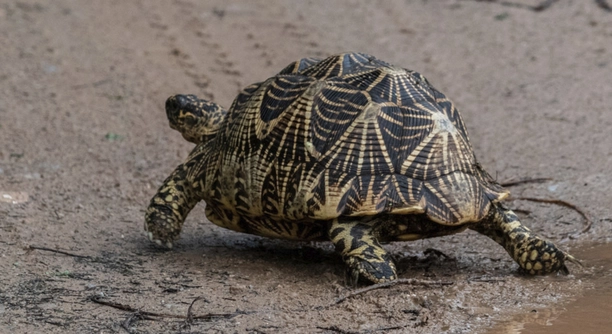
Star tortoises are known for their unique appearance and calm demeanor. Many people wonder about their social needs and whether they can feel lonely when living alone in captivity. Understanding their behavior helps care for these fascinating reptiles.
Star tortoises are not highly social animals and do not typically experience loneliness. In the wild, they are solitary creatures, and their social interactions mainly occur during mating or territorial disputes. They can thrive alone in appropriate conditions.
Proper care is essential for their well-being. Knowing how to provide a suitable habitat can ensure a happy and healthy tortoise.
Star Tortoise Behavior in the Wild
In the wild, star tortoises live solitary lives, typically only interacting with others during the mating season. They do not form strong social bonds or groups like some other species. This behavior helps them maintain their independence and avoid unnecessary conflict. Their primary focus is survival, foraging for food, and navigating their environment. In nature, star tortoises are more concerned with finding the resources they need than with forming social relationships.
Unlike other species that may rely on group dynamics for protection or food sharing, star tortoises are built for a more independent existence. They roam large areas, often in search of vegetation, without needing the company of other tortoises. This solitary lifestyle is a natural part of their behavior.
Providing a quiet, spacious environment mimicking their natural habitat is key to keeping them comfortable. They are not the type to seek companionship from other animals or humans, and they can live contentedly without constant interaction.
Can Star Tortoises Live Alone?
Star tortoises can comfortably live alone. They don’t require the social interaction that some other animals need, and they are more than capable of thriving on their own.
While star tortoises do not get lonely, it’s important to ensure their habitat is suitable. They need a safe, spacious environment where they can roam and forage for food. Too much human interaction or overcrowding with other tortoises may cause stress. The right conditions, including proper temperature, humidity, and access to food, can keep them content without the need for company.
By maintaining a suitable space and providing occasional enrichment, star tortoises remain healthy and active. They thrive best when their environment closely mirrors their natural habitat, allowing them to express their natural behaviors. Their independence is part of what makes them unique and low-maintenance pets.
The Social Needs of Star Tortoises
Star tortoises are solitary creatures by nature. They do not require the companionship of other tortoises or animals to be happy. Their social interactions are minimal, limited to mating and occasional territorial disputes.
Since star tortoises are not social animals, they do not need constant interaction with other creatures. In captivity, they are perfectly fine living alone, as long as their environment is properly set up. They spend their time exploring, basking, and foraging for food. While they do enjoy a certain level of space, they are not dependent on social relationships to feel secure.
Maintaining a solitary lifestyle is entirely natural for star tortoises. Their instincts guide them to avoid unnecessary interactions and focus on their own survival. With proper care, they can be content living alone in a well-maintained habitat.
How to Keep a Star Tortoise Happy
Star tortoises do not require companionship to thrive. However, creating a suitable environment is essential for their happiness.
Their habitat should have plenty of space to roam and areas to bask in the warmth of the sun. It’s important to provide hiding spots and objects that allow the tortoise to feel secure. Star tortoises need a balanced diet that includes fresh, leafy greens and occasional fruit. Regular access to fresh water and proper humidity levels are also important.
To ensure your star tortoise remains happy and healthy, avoid overcrowding the enclosure. While they do not seek out social interaction, they need space and the opportunity to express natural behaviors. A peaceful, low-stress environment will contribute to their well-being.
Star Tortoise Habitat
A spacious, secure environment is key to keeping a star tortoise comfortable. They need enough room to move around and explore. Providing a dry area with a hiding spot helps them feel safe and reduces stress.
Star tortoises also benefit from having different temperature zones within their enclosure. A basking area with heat and a cooler section gives them the option to regulate their body temperature. Keep the humidity level in check, as this is crucial for their health. A proper substrate, such as coconut coir or soil, helps maintain these conditions.
What to Feed a Star Tortoise
Star tortoises thrive on a diet of leafy greens, flowers, and vegetables. They mainly eat grasses and weeds in the wild.
Offering a variety of fresh greens is essential for their nutrition. Foods like dandelion greens, clover, and hibiscus flowers provide them with the necessary nutrients. Avoid feeding them high-protein foods, as it can lead to health issues. Fruits should be given sparingly as a treat.
The Importance of Sunlight
Sunlight plays a major role in the health of star tortoises. They need access to UVB light for proper calcium absorption.
A good quality UVB light helps prevent metabolic bone disease, which can occur in reptiles that do not receive enough UVB exposure. Natural sunlight is ideal, but if that’s not an option, a UVB bulb should be used. Star tortoises enjoy basking in the sun to regulate their body temperature, so ensure they have a basking spot with direct light.
FAQ
Do star tortoises get lonely?
Star tortoises are solitary animals. They do not rely on the company of other tortoises or animals. In the wild, they spend most of their time alone, foraging and exploring their environment. They are not inclined to seek companionship and can live contentedly on their own in captivity.
Can I keep multiple star tortoises together?
It’s possible, but it’s not always recommended. Star tortoises can be territorial, especially males. If you plan to keep more than one, ensure that the enclosure is large enough to provide each tortoise with its own space. Overcrowding can lead to stress and aggression.
How long do star tortoises live?
Star tortoises have a long lifespan, often living for 40 to 50 years in captivity when provided with proper care. In the wild, their lifespan may be shorter due to predators and environmental factors. Proper diet, habitat, and health care are essential for their long-term well-being.
What is the best temperature for a star tortoise?
Star tortoises need a basking area of around 95°F (35°C) and a cooler area of about 75°F (24°C) within their enclosure. This temperature gradient allows them to regulate their body temperature and stay healthy. Nighttime temperatures can drop to 65°F (18°C), but avoid extreme heat or cold.
How do I provide UVB light for my star tortoise?
UVB light is crucial for star tortoises as it helps them absorb calcium and avoid metabolic bone disease. If natural sunlight isn’t available, use a good quality UVB bulb to provide this essential light. Ensure the light covers a portion of their habitat, and replace the bulb every 6 to 12 months to maintain effectiveness.
What should I feed my star tortoise?
Star tortoises eat a variety of leafy greens, such as dandelion greens, hibiscus, clover, and grasses. They also enjoy certain vegetables like pumpkin and squash. Avoid feeding them high-protein foods or fruits too often, as these can cause health issues like kidney problems or obesity.
How much space do star tortoises need?
A single star tortoise should have an enclosure that is at least 4×8 feet in size. If keeping multiple tortoises, the space should be larger to allow each one to roam freely. A larger enclosure helps reduce stress and encourages natural behavior like foraging and moving around.
Can I let my star tortoise roam outside?
If the weather is warm and safe, you can let your star tortoise roam outside in a secure, enclosed area. It’s important to ensure the outdoor space is escape-proof and free from predators. Always supervise your tortoise while it’s outside to prevent accidents.
How often should I feed my star tortoise?
Star tortoises are not heavy feeders. You can offer food every other day. Ensure they are given a variety of leafy greens and vegetables. Monitor their weight and adjust their diet as needed to avoid overfeeding, which can lead to obesity.
Do star tortoises need water?
Yes, star tortoises need fresh water to drink, and they also enjoy soaking in shallow water. Ensure they have access to clean, fresh water at all times. Providing a shallow water dish that they can climb in and out of will also help them stay hydrated and healthy.
Can I handle my star tortoise?
While star tortoises are not particularly social, they can tolerate handling in moderation. Avoid over-handling, as it may cause stress. Gently pick them up by supporting their body, not by the shell. Always ensure their safety when handling them, and limit stress-inducing activities.
What kind of substrate should I use for a star tortoise?
Use a substrate that helps maintain humidity levels and provides a natural feel. Coconut coir, soil, and organic mulch are great choices. Avoid using sand or wood chips, as these can irritate the tortoise’s respiratory system and may lead to digestive issues if ingested.
Do star tortoises need a hiding spot?
Yes, star tortoises appreciate having a hiding spot in their enclosure where they can retreat to feel secure. It helps reduce stress and allows them to rest undisturbed. A simple rock or hide box can serve as a shelter to provide them with privacy.
How do I tell if my star tortoise is healthy?
A healthy star tortoise will have clear, bright eyes, a smooth, hard shell, and an active demeanor. They should eat well and maintain a healthy weight. If you notice any signs of lethargy, weight loss, or shell deformities, it’s important to consult a vet.
Why is my star tortoise not eating?
If your star tortoise is not eating, it could be due to several factors, such as an improper temperature, stress, or health issues. Ensure that the enclosure is at the right temperature, and that your tortoise has a variety of fresh food. If the problem persists, consult a veterinarian.
Can star tortoises live in a tank?
Star tortoises should not be kept in small tanks as they require more space to roam. A large, secure enclosure or outdoor pen is better for their long-term health. Tanks tend to be too small and can lead to stress and health problems over time.
How do I breed star tortoises?
Breeding star tortoises requires a suitable male and female, proper temperature conditions, and the right diet. The female will need a secure nesting area to lay her eggs. If you plan to breed them, ensure that their habitat is set up for mating and egg-laying.
Are star tortoises endangered?
Yes, star tortoises are considered vulnerable in the wild due to habitat loss and illegal pet trade. Conservation efforts are ongoing to protect their natural habitats and reduce poaching. It’s important to buy star tortoises from reputable breeders to avoid supporting the illegal pet trade.
Final Thoughts
Star tortoises are unique creatures that require specific care to thrive, but they are not particularly social animals. They do not suffer from loneliness in the way some pets might, as they are solitary by nature. Their needs are simple but essential, including proper habitat space, correct temperature, and a balanced diet. Keeping a star tortoise as a pet can be a rewarding experience, especially when you understand their behaviors and requirements. With proper care, these tortoises can live for many years, providing companionship that doesn’t rely on constant interaction.
It is important to keep in mind that star tortoises need a lot of space to roam. They are not the type of animal that can thrive in a small tank or confined space. Their habitat should reflect their natural environment, with room to explore and seek out food. This means providing a large, secure enclosure that mimics their natural surroundings. Temperature regulation is also critical; they require a basking spot to keep warm and a cooler area to retreat to when needed. Lighting, especially UVB light, is crucial for their health.
Understanding the needs of your star tortoise will help ensure that they live a healthy, stress-free life. While they don’t require constant interaction, they still need a comfortable environment to live in. Providing them with the right space, diet, and care is the key to maintaining their well-being. Whether you’re considering getting a star tortoise or already have one, knowing what they need will help foster a positive relationship. Their calm and independent nature makes them a great choice for those looking for a unique and low-maintenance pet.

Hello,
If you enjoy the content that we create, please consider saying a "Thank You!" by leaving a tip.
Every little bit helps us continue crafting quality advice that supports the health, happiness, and well-being of pets around the world, for pets of all shapes, sizes, and species.
We really appreciate the kindness and support that you show us!