
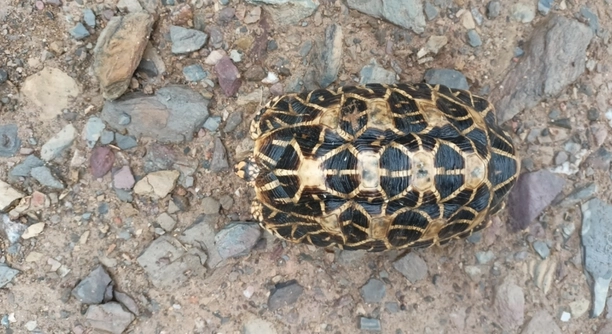
If your star tortoise is acting differently, it could be a sign of stress. Recognizing these signs early on can help you provide the care they need to stay healthy and comfortable in their environment.
Stress in star tortoises is often indicated by changes in behavior, appetite, or activity level. Common signs include lethargy, refusal to eat, and hiding more than usual. Understanding these behaviors can help in identifying the cause and offering effective solutions.
Addressing these signs promptly can improve your tortoise’s well-being. Understanding the signs of stress and how to help can ensure your star tortoise thrives in a calm, healthy environment.
1. Change in Eating Habits
One of the most noticeable signs of stress in a star tortoise is a change in their eating habits. A stressed tortoise may refuse to eat altogether or consume significantly less food. When this happens, it’s important to monitor their food intake closely, as proper nutrition is key to their health. Stress can cause digestive issues or a lack of appetite, which can lead to further complications if not addressed. Make sure their diet is well-balanced and suited to their needs, with fresh vegetables, fruit, and protein. If the behavior persists for several days, it may be a good idea to consult a vet.
Even a slight change in food preferences can be a red flag for stress. Sometimes, tortoises may become finicky eaters or even show signs of partial refusal. Understanding these changes will help you act quickly and make adjustments.
Ensuring your star tortoise has access to clean food and water, along with a calm environment, can greatly improve their appetite and overall mood. Regular monitoring and changes in diet can also help maintain their well-being.
2. Excessive Hiding or Withdrawal
When stressed, star tortoises tend to withdraw from their usual activities. Excessive hiding or seeking dark, secluded spots is common behavior when they feel threatened or uncomfortable. This could indicate they are feeling stressed due to their environment, handling, or a change in their surroundings.
The star tortoise is naturally a shy and solitary creature, but extreme hiding can signal more serious stress factors. Stressful situations like loud noises, frequent disturbances, or uncomfortable temperatures can all lead to this withdrawal. If you notice your tortoise is hiding for long periods, consider reducing the noise levels or moving them to a quieter area.
A calm, safe environment is essential for your tortoise’s well-being. In some cases, offering them a private space with access to food and water can help reduce stress. Keeping their habitat as consistent as possible, free from sudden changes, will prevent them from feeling unsafe.
3. Changes in Activity Level
When a star tortoise is stressed, they may become much more lethargic than usual. They could spend hours in the same spot or move less frequently. This decrease in activity often happens when they feel uncomfortable or unsafe.
If your tortoise isn’t roaming as much or moving slowly, it’s a sign that something might be wrong. Stress can affect their energy levels, leading to this behavior. Tortoises need regular exercise to stay healthy, so if they’re not as active, it could lead to further health concerns.
Monitor the environment closely for stressors. Excessive heat, sudden changes in temperature, or too much noise can cause stress that leads to lethargy. Ensuring your star tortoise has a comfortable, quiet space can help restore their energy.
4. Shell and Skin Changes
A stressed star tortoise may show signs of stress in their shell and skin. Dryness or irregularities in the shell, such as cracking or discoloration, are common stress indicators. These issues can arise due to improper humidity or diet.
Shell health is essential, so keep an eye out for changes. Poor hydration or lack of proper UVB lighting can affect their skin and shell. Inadequate calcium intake might also contribute to stress and lead to weakened shells. Adjusting their diet and humidity levels can often help.
When stress persists for a long period, it can cause more severe damage to your tortoise’s shell. Ensure proper hydration, regular baths, and UVB light to support their shell health. Maintaining a balanced diet rich in calcium will help protect their shell and skin.
5. Breathing Issues
If your star tortoise starts breathing heavily or with difficulty, it could indicate stress. Respiratory problems may occur when they are exposed to drafts or high humidity.
A stressed tortoise might show signs of labored breathing, open-mouthed breathing, or wheezing. These symptoms need attention right away.
Ensure the humidity levels are correct and their habitat remains warm but not overly hot. If the breathing issues persist, it’s important to consult a vet for proper care. Respiratory stress can lead to more serious health problems if left unaddressed.
6. Aggressive Behavior
Stress can cause some star tortoises to display unusual aggression. This can include biting, defensive postures, or aggressive interactions with other pets in their environment.
If your tortoise shows sudden aggressive behavior, it’s likely due to stressors like overcrowding, handling, or environmental changes. Reducing these stress factors is key.
Try to limit handling and create a peaceful, safe habitat for your tortoise. Introducing another tortoise or animal could be a cause for aggression, so it’s important to monitor their social interactions carefully.
FAQ
What causes stress in a star tortoise?
Stress in star tortoises can be caused by several factors, including improper environmental conditions, such as incorrect temperature, humidity, or lighting. Other stressors may include overcrowding, loud noises, frequent handling, or an unstable habitat. Lack of proper nutrition or sudden changes in diet can also contribute. It’s important to maintain a calm, consistent environment to prevent these issues.
How can I reduce stress in my star tortoise?
To reduce stress, provide a consistent and comfortable environment. Ensure the habitat has proper lighting, temperature, and humidity levels. Limit handling to avoid overwhelming your tortoise. Creating a quiet, secluded space where they can retreat when needed is helpful. Avoid sudden changes in their surroundings or diet.
Is it normal for my star tortoise to hide a lot?
Yes, hiding is a natural behavior for star tortoises, especially when they feel stressed or uncomfortable. While they may retreat into their shells or secluded spots, excessive hiding for long periods can indicate stress. Keep an eye on their behavior and adjust their environment if needed to reduce stress.
Can handling my star tortoise cause stress?
Yes, excessive handling can stress out your star tortoise. Tortoises are naturally shy creatures, and constant handling can make them feel threatened or unsafe. It’s best to limit handling and allow them to roam and explore their environment. When you do handle them, do so gently and only for short periods.
How do I know if my star tortoise is in pain or stressed?
Stress can manifest through behavior changes like hiding, lethargy, refusal to eat, or changes in breathing. Pain, on the other hand, may cause visible signs like abnormal shell shapes, swelling, or unusual movements. If your tortoise shows both signs of stress and physical discomfort, a vet check-up is advised.
Can my star tortoise get too hot or too cold?
Yes, temperature is critical for a star tortoise’s well-being. Too much heat can lead to overheating and dehydration, while too much cold can cause hibernation-like symptoms or a weakened immune system. Maintain a stable temperature in their habitat, with a warm basking spot and a cooler area for balance.
What are the signs that my star tortoise is not eating enough?
If your star tortoise is refusing to eat or consuming less than usual, it’s a sign that something may be wrong. Common signs of insufficient eating include weight loss, lethargy, and a lack of energy. These changes can often be linked to stress, illness, or improper environmental conditions.
How can I help my star tortoise if it’s not eating?
If your star tortoise isn’t eating, first check its environment. Make sure the temperature, humidity, and lighting are correct. Offer a variety of food options, ensuring it’s fresh and suitable for their dietary needs. If the behavior continues, a visit to the vet may be necessary to rule out health issues.
How often should I feed my star tortoise?
Star tortoises are herbivores and should be fed daily. Their diet should consist of leafy greens, vegetables, and fruits, with occasional protein sources like insects. It’s best to offer food once a day, but it’s also important to monitor their weight and adjust portions accordingly. Make sure they always have access to clean water.
Is it normal for my star tortoise to lose its appetite in colder months?
Yes, a decrease in appetite during colder months is normal for many tortoises. Star tortoises may slow down their metabolism as the temperature drops, leading to less frequent eating. However, if this behavior extends or worsens, it could be a sign of stress or illness, so check their environment and health.
Can I house more than one star tortoise together?
Star tortoises can sometimes be housed together, but it depends on their temperament and available space. Overcrowding can cause stress and aggression, so it’s important to provide ample room for each tortoise. Monitor their interactions closely, and separate them if aggressive behavior arises.
What should I do if my star tortoise is not moving much?
If your star tortoise isn’t moving much, first check the temperature, humidity, and overall environment. Low activity can be a sign of stress or an issue with their habitat. If the environment seems fine and the behavior persists, a visit to the vet is recommended to rule out health concerns.
How can I tell if my star tortoise is healthy?
A healthy star tortoise will be active, eat regularly, and have a smooth, firm shell. It should show normal behaviors like basking, roaming, and interacting with its environment. Changes in behavior, appetite, or appearance, such as shell discoloration or swelling, could signal an issue.
Do star tortoises need UVB light?
Yes, star tortoises need UVB lighting to help metabolize calcium and promote proper shell growth. UVB light is essential for their overall health, and it should be provided for around 10-12 hours a day. Without UVB, tortoises may develop health issues like shell deformities or metabolic bone disease.
What is the best substrate for a star tortoise’s enclosure?
A good substrate for a star tortoise’s enclosure should be dry, absorbent, and easy to clean. Options like organic soil, coconut coir, or a mix of sand and soil are commonly used. Avoid substrates that are too dusty or sticky, as they can cause respiratory issues.
Can I bathe my star tortoise?
Yes, bathing your star tortoise is a good way to help keep them hydrated and clean. A gentle soak in shallow warm water for 10-15 minutes can promote hydration and aid in shedding. Always make sure the water is not too deep, as tortoises should never be submerged.
How can I reduce the risk of my star tortoise becoming stressed?
Maintaining a stable and calm environment is key to preventing stress. Ensure their habitat has appropriate lighting, temperature, and humidity. Avoid sudden changes to their routine, handling them gently, and limit disturbances. Offering them a space to hide or retreat can also help reduce stress levels.
Final Thoughts
Caring for a star tortoise requires attention to detail and an understanding of its needs. Stress can be a significant issue for these creatures, but with the right care, you can help reduce or prevent it. Ensuring a stable environment with the correct temperature, humidity, and lighting is essential. Providing ample space, fresh food, and a quiet space for your tortoise to retreat when needed will also contribute to their well-being. By recognizing the signs of stress early, you can address the issue before it becomes more serious.
Paying attention to changes in behavior is key when it comes to spotting stress in your star tortoise. If they are hiding more than usual, not eating, or becoming lethargic, it could be a sign that something is wrong. Small adjustments in their habitat can make a big difference in their health and happiness. Reducing stress often requires simple changes like improving lighting, adding more hiding spots, or giving them space to roam freely. Over time, you’ll learn the specific needs and preferences of your tortoise, helping you provide a better environment for them.
In some cases, stress can lead to more serious health issues, which is why it’s important to take action if you notice signs of distress. If adjusting their environment doesn’t seem to help, or if their behavior worsens, it’s important to consult a veterinarian. Regular check-ups are essential to keeping your tortoise healthy, especially if they are showing signs of stress that might indicate an underlying health issue. Ultimately, with the right care and attention, you can ensure that your star tortoise lives a healthy, happy life free from stress.

Hello,
If you enjoy the content that we create, please consider saying a "Thank You!" by leaving a tip.
Every little bit helps us continue crafting quality advice that supports the health, happiness, and well-being of pets around the world, for pets of all shapes, sizes, and species.
We really appreciate the kindness and support that you show us!