
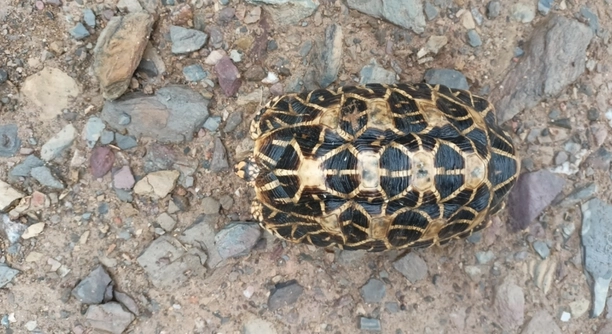
Do you have a star tortoise at home and wonder if they recognize you? Many tortoise owners ask this question as they bond with their pets.
Star tortoises can recognize their owners to some extent, especially through sight and scent. They may associate their caretakers with food or comfort, showing interest when they approach. However, their recognition is not as strong as that of more social animals.
Understanding how your tortoise sees and interacts with you can help improve your relationship. It’s not just about recognition; it’s about their comfort and trust.
How Star Tortoises Recognize Their Owners
Star tortoises, like many reptiles, are not known for forming strong emotional bonds like dogs or cats. However, they are capable of recognizing their owners, especially if they spend time together regularly. Tortoises rely on their senses of sight, smell, and even hearing to help them distinguish between familiar and unfamiliar people. They may become more accustomed to their owner’s voice or scent over time. This process can be slow, as tortoises generally don’t seek out human interaction. Instead, they tend to associate their owners with something important, such as food or their living environment.
Over time, tortoises may respond to their owner’s presence by approaching them or showing signs of excitement when they come near their enclosure. The recognition may not always be immediate or obvious, but with patience and consistency, your tortoise may begin to show familiarity with you. It’s essential to approach your tortoise calmly, avoiding sudden movements or loud noises that could startle them.
Despite this, it’s important to remember that tortoises are not as social as other pets. Their recognition of you is more linked to comfort than affection. While some might crawl toward you in search of food or attention, they are not necessarily seeking emotional bonding. Instead, they may view you as a reliable source of care and sustenance. The connection they form with their owners is built on trust and routine rather than deep emotional attachment.
The Role of Routine in Recognition
Tortoises thrive on routine. When you feed them at the same time every day or interact with them consistently, they start to associate your presence with these familiar actions. This helps them recognize you as a part of their daily life, even if their recognition isn’t emotional in the way humans would expect.
Building trust with your tortoise is essential for recognition. Repeated actions, like feeding and cleaning their enclosure, create a sense of reliability. Over time, your tortoise will begin to associate you with positive experiences, such as food or a clean living space. However, this process takes patience. They won’t immediately recognize you like a dog or cat would. Instead, it’s the consistent care that fosters their recognition over time.
Sensory Cues in Recognition
Star tortoises use different senses to recognize their owners, with sight and smell being the most important. They can see their owner’s face and body movements, and their sense of smell helps them pick up familiar scents. Over time, they begin associating these sensory cues with positive experiences.
While tortoises rely more on their sense of smell than vision, they can also learn to recognize faces. Their ability to see is limited compared to other animals, but they can focus on large, distinct shapes. As they become more familiar with your scent and visual cues, they may recognize you from a distance. Tortoises are not quick to react, but they will often move toward the smell of food or the person providing it.
This recognition is usually tied to a specific routine, such as feeding or handling. Your scent, combined with the visual cues they have come to recognize, becomes a signal that you are their caretaker. Over time, these sensory cues help them associate you with safety and care, even if they do not show affection in the traditional sense.
Building Trust with Your Tortoise
To build trust with a star tortoise, consistency is key. Approach your tortoise calmly and follow a predictable routine. Tortoises thrive on habits and feel more secure when they know what to expect. This trust can take time to develop.
It’s important to handle your tortoise gently and avoid startling them. Sudden movements or loud noises can cause stress and make them more fearful. The more you interact with them in a calm, quiet manner, the more likely they are to begin recognizing you as a trusted figure. With patience and time, your tortoise may start to feel comfortable in your presence and will respond less to the environment around them, focusing more on you.
Tortoises and Their Limited Social Behavior
Star tortoises are not highly social animals. Unlike dogs or cats, they do not seek constant interaction or companionship. Their behavior is often driven by their immediate needs, such as food, water, or shelter, rather than emotional connections with their owners.
This limited social behavior means that while they can recognize their owners, they do not require interaction for comfort. They prefer to spend time alone and may retreat into their shells when they feel threatened or stressed. Understanding this aspect of their personality is essential for managing expectations when it comes to their recognition and affection.
When Tortoises Seek Interaction
Although star tortoises are not highly social, they may still seek interaction when it aligns with their basic needs. If they associate you with food or care, they may approach you when they are hungry or in need of attention.
Tortoises may begin to respond to the sound of your voice or movements as they associate them with a positive experience, like feeding. They may come closer to their enclosure or even stretch their necks toward you when they expect food. This behavior doesn’t necessarily mean they are seeking affection, but rather that they trust you to provide what they need.
Maintaining a Positive Relationship with Your Tortoise
Building a positive relationship with your star tortoise doesn’t require constant interaction. You can create a strong bond by being consistent and calm in your care routine. Respect their space and avoid overwhelming them with too much attention.
By establishing trust and a sense of safety, your tortoise will feel more comfortable around you. It’s important to remain patient and not force interaction, allowing your tortoise to approach you when it feels ready.
FAQ
Do star tortoises recognize their owners?
Yes, star tortoises can recognize their owners, but not in the same way that dogs or cats do. Their recognition is primarily based on sensory cues like sight, smell, and sound. They may associate you with food or care and become familiar with your presence over time. However, this recognition is more functional than emotional. Tortoises do not form strong attachments or seek affection in the way more social animals do. They may show interest when you approach, but it’s more likely because they associate you with something beneficial, such as feeding or comfort.
How do I know if my tortoise recognizes me?
You’ll notice that your tortoise may respond to your presence, especially if they come toward you or move in your direction when you enter the room. This response may be due to their association with you as a food provider or caregiver. They might also recognize your scent or the sound of your voice, even if they don’t show affection like a dog would. Regular feeding and care routines help reinforce their recognition of you, and they may become more comfortable in your presence over time.
Can I train my tortoise to recognize me?
While you cannot train a star tortoise in the same way you would train a dog, you can build familiarity and trust through consistency. The more often you interact with your tortoise during feeding or cleaning, the more likely they are to recognize you. It’s important to maintain a calm and predictable routine, as tortoises are creatures of habit. Over time, they may start to associate you with positive experiences like food or comfort, which is a form of recognition, even if they don’t actively seek you out.
Why does my tortoise hide when I approach?
Tortoises often hide when they feel threatened or scared. Even if they recognize you, their instinct may still be to retreat into their shell when they sense potential danger. This behavior is more common when they are still getting accustomed to you or when something in their environment changes. If your tortoise hides, give it space and try not to make sudden movements. With time and consistent, gentle care, they may become less fearful and more comfortable with your presence.
Do tortoises get attached to their owners?
Star tortoises don’t form deep emotional attachments like dogs or cats. Their interactions are more driven by routine and necessity. They may become familiar with you and associate you with food or shelter, but they do not seek companionship in the same way. While some tortoises may enjoy being handled once they feel comfortable, they are generally solitary creatures. Any “attachment” you observe is more about trust and recognition of care than emotional bonding.
How can I make my tortoise feel comfortable with me?
To make your tortoise feel comfortable, start by being consistent and calm in your interactions. Stick to a regular feeding and care schedule, and avoid overwhelming them with too much attention. Allow them to approach you on their own terms, and never force them to interact if they seem scared or stressed. Gradually, as they recognize your scent, voice, and actions, they may become more comfortable being around you. It’s important to respect their space and understand that their comfort is built over time through trust and routine.
Can star tortoises show affection?
Star tortoises do not show affection in the same way that dogs or cats do. They do not seek out physical contact or companionship for emotional reasons. However, they may show trust by being more relaxed around you. This trust can manifest as the tortoise approaching you when it’s time for food or appearing calm when you handle them. These signs indicate comfort and recognition, but not affection in the traditional sense.
How often should I interact with my star tortoise?
While star tortoises do not need constant interaction, it’s important to spend time with them daily, especially during feeding. Keeping a consistent routine will help build familiarity and trust. Interact with your tortoise for a few minutes each day by offering food, cleaning their enclosure, or gently handling them. Avoid forcing interaction, as tortoises are independent creatures and need space. Regular, low-stress interactions help reinforce your role as a caregiver and allow the tortoise to get used to your presence.
Can star tortoises remember their owners over long periods?
Star tortoises have relatively short-term memory. They are not known for remembering specific people over long periods of time like dogs or humans. However, they can recognize familiar scents and routines. If you have been the consistent caregiver, they may remember you when you return, especially if they associate you with food or other positive experiences. They may not remember you after extended periods away, but they can recognize you again if you follow the same routines.
What can I do if my tortoise seems scared of me?
If your tortoise seems scared of you, it’s essential to be patient and avoid forcing interactions. Move slowly around them, and let them get used to your presence. Give them space and allow them to approach you when they feel comfortable. Ensure that their environment is safe and free from stressors. Gradually, with gentle care, your tortoise will become more accustomed to you and may start to show interest in your presence. Avoid loud noises and sudden movements, as these can startle your tortoise and make them more fearful.
Final Thoughts
Star tortoises are unique creatures with distinct behaviors compared to more traditional pets like dogs or cats. While they can recognize their owners, their recognition is primarily based on sensory cues like sight, smell, and sound, rather than forming deep emotional connections. Over time, as you build a consistent care routine, your tortoise may become familiar with you and associate your presence with positive experiences like food or a clean living space. However, it’s important to keep in mind that tortoises are not social animals by nature, and they do not seek companionship in the way humans or more social pets do.
For many owners, the key to a successful relationship with a star tortoise is patience and respect for their independence. Tortoises don’t require constant attention, and overwhelming them with too much interaction may cause stress. Instead, they thrive on a predictable routine, where their basic needs are met consistently. By providing them with the care they need while respecting their natural behavior, you’ll help them feel safe and comfortable. Over time, they may come to recognize you as a familiar, trusted presence, but this recognition will always be more about routine and comfort than emotional attachment.
Ultimately, understanding your tortoise’s needs and respecting their space is the most important aspect of building a relationship with them. They may not show affection in the traditional sense, but they can still feel a sense of trust and comfort around their owners. With patience and a consistent routine, your tortoise may begin to recognize you as a caretaker they feel safe with, even if they don’t actively seek out affection. It’s this balance of respect for their independence and careful care that will help you form the best possible connection with your star tortoise.

Hello,
If you enjoy the content that we create, please consider saying a "Thank You!" by leaving a tip.
Every little bit helps us continue crafting quality advice that supports the health, happiness, and well-being of pets around the world, for pets of all shapes, sizes, and species.
We really appreciate the kindness and support that you show us!