
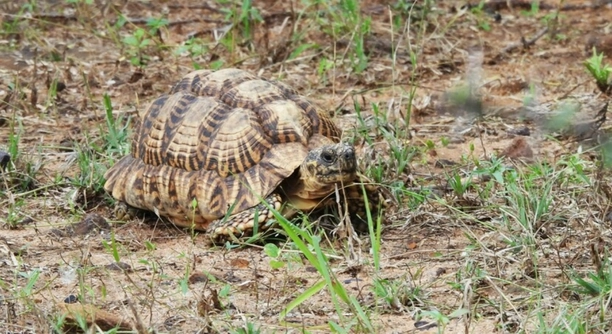
Star tortoises are fascinating creatures, and it can be concerning when you notice your pet constantly digging. This behavior can be puzzling, but understanding the reasons behind it is important for their well-being.
Your star tortoise might be digging for several reasons, including seeking food, nesting, or trying to escape. They may also be responding to stress, discomfort, or environmental factors such as inadequate temperature or humidity levels.
Uncovering the root causes of this behavior can make a big difference in your tortoise’s health. Understanding why they dig will help you provide the right care and environment.
1. Star Tortoise Digging to Find Food
Sometimes, your star tortoise digs because it’s searching for food. These animals have natural instincts to forage for their meals, and when kept in captivity, they might be trying to find hidden treats or plants. If your tortoise isn’t getting enough food, it may resort to digging as a way of hunting for nutrients.
If your tortoise’s digging behavior seems excessive, make sure it’s getting a balanced diet. Provide a variety of leafy greens, fruits, and safe plants. Sometimes, the digging might just be its way of looking for more variety.
A good way to prevent this digging behavior is to make sure that food is available in enough quantity and variety. Offering different types of food will keep your tortoise from thinking it needs to dig around for its next meal. Always keep a consistent feeding schedule to avoid hunger-driven behaviors.
2. Star Tortoise Digging Due to Nesting Instincts
Reproduction is another natural reason for digging. Female star tortoises, especially during mating season, dig to create a nest for laying eggs. Even if your tortoise isn’t mating, its instincts might still cause it to dig as if preparing a safe place for eggs.
If your tortoise has access to an area with soft soil, it might instinctively begin digging to create a comfortable environment. This behavior is normal but can sometimes be stressful if your tortoise is in an inappropriate environment for nesting.
Make sure your tortoise’s habitat includes areas with safe, soft substrate. If you’re not planning to breed, ensuring the enclosure is appropriate will help control unnecessary nesting behavior. For example, if your tortoise is in an area with hard flooring or unsuitable soil, they may continue digging out of frustration.
3. Star Tortoise Digging Due to Stress
Stress is a common cause of digging in star tortoises. If they feel threatened or uncomfortable in their environment, they may dig to relieve stress. This behavior is often seen when there are sudden changes, such as a new environment or loud noises.
Tortoises can also be stressed if they don’t have enough space or are kept with incompatible tank mates. If the temperature or humidity levels in their enclosure are off, it can increase their stress levels. Constant digging is often a sign that something isn’t quite right in their environment.
To help reduce stress, make sure your tortoise has a quiet, spacious, and comfortable space to live in. Ensure the environment mimics natural conditions as closely as possible. Offering hiding spots, temperature control, and low-stress interactions will help keep your star tortoise calm.
4. Star Tortoise Digging to Escape
Sometimes, a star tortoise digs because it’s trying to escape. If the enclosure isn’t secure or the tortoise is feeling confined, it may dig in an attempt to find a way out. This behavior is common in tortoises that are kept in small or cramped enclosures.
To prevent escape attempts, check if the enclosure is appropriately sized for your tortoise. Make sure there are no gaps or places where it could dig under or through. A well-secured environment will help your tortoise feel safe and comfortable, reducing the urge to dig as a means of escape.
Regularly inspect your tortoise’s home to make sure it is secure. If the enclosure is too small, consider upgrading to a larger one with secure walls. This will help reduce digging and allow your tortoise to thrive.
5. Star Tortoise Digging for Temperature Regulation
Tortoises may dig to regulate their body temperature. If they are feeling too hot or too cold, they might dig to find a cooler or warmer spot. This behavior is especially common if they do not have enough areas with the right temperature in their habitat.
By creating a temperature gradient in their enclosure, you give your tortoise the freedom to adjust its position. If the tortoise is digging into the substrate, it might be trying to cool down or find warmth. Maintaining the correct temperature is key for their health.
Ensure that your tortoise has access to both warmer and cooler areas in its enclosure. A heat lamp or ceramic heat emitter can help maintain a consistent temperature, while the other end of the enclosure should remain cooler. This balance is crucial for your tortoise’s well-being.
6. Star Tortoise Digging Due to Boredom
Boredom can lead to digging behavior. When star tortoises don’t have enough stimulation in their environment, they might dig as a way of entertaining themselves. This is common if the tortoise is confined to a small area or lacks engaging activities.
To prevent boredom, it’s important to provide variety. Adding different substrates, hiding spots, and even safe objects to explore can keep your tortoise entertained. Offering enrichment in the form of new plants or things to climb can also keep their mind active and reduce unnecessary digging.
7. Star Tortoise Digging as a Natural Behavior
Digging is a natural behavior for tortoises, even in the wild. It’s instinctive for them to dig in search of food, shelter, and for nesting purposes. If your tortoise is digging frequently, it might just be expressing this normal behavior.
While digging might be a sign of an underlying issue, it is also a way for the tortoise to satisfy its instincts. Even in captivity, providing an environment that mimics their natural habitat can help maintain these behaviors in a healthy way.
FAQ
Why does my star tortoise dig all the time?
Constant digging could indicate several things, like searching for food, nesting, or trying to escape. It’s important to check if your tortoise has enough space, the right temperature, and access to food. Excessive digging can also be a sign of stress, boredom, or discomfort. If your tortoise is digging regularly, try to rule out environmental factors first and make adjustments to the habitat.
How can I stop my star tortoise from digging?
Stopping digging involves addressing the root cause. Start by ensuring the enclosure is secure, spacious, and equipped with the right temperature gradient. If digging is due to boredom, provide enrichment like plants, climbing opportunities, or new hiding spots. If it’s a nesting behavior, ensure the substrate is appropriate for this activity. Sometimes, simply checking for stress triggers can help, like sudden changes or incompatible tank mates.
Is it normal for a star tortoise to dig?
Yes, digging is a natural behavior for star tortoises. In the wild, they dig to find food, create shelter, or lay eggs. Even in captivity, this behavior can be present. However, if the digging becomes excessive or out of control, it’s worth investigating if there are environmental or health-related reasons behind it.
Can my star tortoise dig through its enclosure?
If the substrate in your enclosure is too loose or not deep enough, your tortoise might be able to dig through it. Make sure the substrate is firm enough to hold its shape. Also, check that the walls of the enclosure are tall and secure enough to prevent escape attempts. If digging is a common behavior, reinforce the enclosure with proper barriers to keep your tortoise inside.
Does my star tortoise dig because it’s hungry?
Hunger can be one reason for digging. Tortoises have natural instincts to forage for food, and if they feel like they are not being fed enough, they may dig in search of it. Ensure that you’re providing a balanced diet with a variety of greens and occasional fruits. If you feed your tortoise regularly and it continues digging, you may need to check other factors such as stress or boredom.
How often should I feed my star tortoise?
Star tortoises are herbivores and should be fed daily, but the amount depends on their size and age. Younger tortoises require more frequent feedings with higher amounts, while adults can be fed once a day or every other day. Make sure to offer a mix of leafy greens and other safe plants. Overfeeding or underfeeding can lead to health issues and may cause behavior changes like excessive digging.
Should I give my star tortoise a bath?
Giving your star tortoise a bath is a good way to hydrate it and help with digestion. A bath should be shallow and warm, allowing your tortoise to soak for about 15-20 minutes. This can help prevent dehydration, which may also affect its behavior. However, baths are not a direct solution to digging; they should be part of a regular care routine.
Can my star tortoise be digging because it’s too hot or too cold?
Yes, extreme temperatures can lead to digging. Tortoises regulate their body temperature by moving to different areas of their environment. If they are too hot, they may dig to find a cooler place, and if they’re too cold, they may dig to find warmth. Make sure your enclosure has a heat source and a cooler area to allow your tortoise to adjust as needed.
What type of substrate is best for a star tortoise?
The best substrate for a star tortoise is one that mimics its natural habitat. Use a mix of coconut coir, orchid bark, and some sand to create a loose, but not too fine, substrate. The substrate should be deep enough for the tortoise to dig comfortably but not so deep that it’s difficult to maintain. Make sure it’s clean and dry, as moisture can lead to mold or health issues.
Why is my star tortoise digging and not eating?
If your tortoise is digging but refusing to eat, it may be stressed, unwell, or uncomfortable in its environment. Stress can come from poor temperature regulation, too much handling, or an inappropriate diet. It’s important to address the underlying issue by checking for environmental factors and health conditions. If the behavior persists, a visit to the vet may be necessary.
Final Thoughts
Understanding why your star tortoise digs is an important step in ensuring its well-being. Digging is a natural behavior, and in most cases, it’s completely normal. However, if the digging becomes excessive or seems to be driven by stress, discomfort, or an environmental issue, it’s crucial to take action. By closely observing your tortoise and its habitat, you can usually identify the cause and make adjustments to help your pet feel comfortable and safe.
One of the most common reasons for digging is food-related behavior. If your star tortoise is not getting enough food or variety in its diet, it may dig in search of more. Ensuring a balanced and varied diet can help reduce this behavior. Similarly, providing proper environmental conditions like the right temperature and humidity can also minimize unnecessary digging. Tortoises dig to regulate their body temperature, find shelter, or escape, and making sure these needs are met will prevent these behaviors from becoming problematic.
In the end, taking the time to understand your star tortoise’s needs is key to ensuring its health and happiness. With the right care, you can address any excessive digging behavior and provide an environment where your tortoise feels comfortable and secure. Regular observation and small adjustments to its habitat can make a big difference in reducing unnecessary stress and helping your tortoise thrive.

Hello,
If you enjoy the content that we create, please consider saying a "Thank You!" by leaving a tip.
Every little bit helps us continue crafting quality advice that supports the health, happiness, and well-being of pets around the world, for pets of all shapes, sizes, and species.
We really appreciate the kindness and support that you show us!