
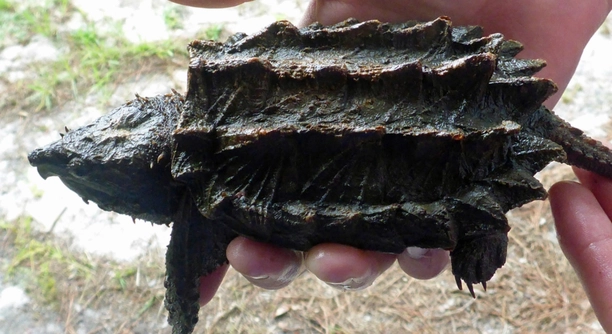
An alligator snapping turtle’s behavior can sometimes seem puzzling, especially if it refuses to use its hide. Understanding why this happens is key to addressing the issue and keeping your turtle healthy and content.
There are several factors that may cause your alligator snapping turtle to avoid its hide. Stress, environmental conditions, or changes in habitat could lead to this behavior. Additionally, factors like temperature, substrate, and diet also play a significant role.
Understanding these factors will help ensure your turtle feels comfortable and secure in its environment.
Stress and Anxiety in Your Alligator Snapping Turtle
Stress is one of the main reasons an alligator snapping turtle may avoid its hide. These turtles are sensitive to changes in their environment, and anything from loud noises to the presence of other animals can cause stress. If your turtle feels threatened or unsettled, it may avoid hiding altogether, preferring to stay in the open. Stress can also be caused by improper handling or being in a habitat that feels cramped or unsafe.
Providing a peaceful, quiet environment is crucial for the well-being of your turtle. If you suspect stress is the issue, ensure that your turtle’s tank is in a low-traffic area and that other pets are not disturbing it.
A stressed turtle may also show signs of lethargy or erratic movement. Make sure its hide is located in a calm, dark area of the tank to promote a sense of safety. Try to minimize disturbances and watch for any signs of recovery after changes are made.
Environmental Conditions Matter
Environmental factors play a large role in a turtle’s behavior. If your turtle’s hide is too warm or cold, it may be uncomfortable and avoid it. Water temperature and air temperature should be regulated to meet the specific needs of an alligator snapping turtle.
Alligator snapping turtles prefer water temperatures between 75°F and 80°F. If the water is too cold, they may avoid their hide in search of a warmer spot. Conversely, if the water is too hot, it can cause stress or dehydration, leading the turtle to stay in a different part of the tank.
It’s essential to regularly monitor the tank’s water and air temperature. Use reliable thermometers to ensure that both environments are within the optimal range. Also, check the humidity levels to maintain a comfortable atmosphere for your turtle. If the water and air are too far from the ideal range, the turtle may not feel secure enough to enter its hide, causing it to spend more time out in the open. Adjustments to its environment could restore its natural behavior.
Substrate Choices and Their Impact on Hiding
The substrate in your turtle’s tank can also affect its willingness to use its hide. Some turtles prefer certain types of bedding over others, and it’s important to choose a material that feels comfortable and natural to them. Alligator snapping turtles are known to enjoy soft, damp bedding such as peat moss, coconut coir, or a fine sand mix. These substrates mimic their natural habitat and give them a place to burrow, which can encourage them to hide.
If the substrate is too rough or uncomfortable, your turtle may avoid it, and the hide might remain unused. It’s also important to maintain a clean substrate to prevent any buildup of bacteria or fungus, which can discourage your turtle from entering its hide.
Switching to a substrate that resembles the natural conditions of the alligator snapping turtle can help them feel more secure and less likely to avoid hiding. Regularly changing the substrate will also ensure that your turtle has a healthy, comfortable space to retreat to.
Changes in Habitat
If you recently moved your alligator snapping turtle or changed its tank setup, it may be adjusting to the new environment. Turtles can be very particular about their space. A move can cause confusion, making them less likely to seek out their hide.
Turtles prefer consistency, and if their habitat is altered, it can take time for them to feel safe again. A change in water flow, the position of the hide, or other tank objects can lead to hesitation. Once the turtle becomes accustomed to its new surroundings, it should feel comfortable returning to its hide.
A gradual introduction to changes in its habitat can help reduce stress. Ensure all the essential elements, like the hide, are placed in familiar spots to encourage your turtle to use them. Avoid making frequent changes to the setup after the initial move.
Improper Diet and Overfeeding
An improper diet can also affect your turtle’s behavior. Overfeeding may make it feel sluggish or uninterested in its hide. Alligator snapping turtles are opportunistic feeders, so it’s essential to maintain a balanced diet for proper digestion.
Feeding your turtle too much can lead to discomfort, making it avoid its hide as a way to cope with digestion issues. Offering too many high-protein foods can also cause gastrointestinal problems, which may make your turtle reluctant to settle in its hide.
A proper feeding schedule is vital for keeping your turtle healthy and active. Offer a variety of foods, including aquatic plants, fish, and insects, and avoid overfeeding to ensure that your turtle doesn’t become lethargic or stressed by its diet.
Tank Size and Space
A tank that is too small can make your alligator snapping turtle feel cramped, causing it to avoid its hide. Turtles need space to move around and feel comfortable. A larger tank offers them more places to explore and a greater sense of security.
If the tank size is insufficient, the turtle might not feel safe enough to retreat to its hide. It could also be more prone to stress due to the lack of space. It’s important to provide a habitat that meets the size requirements for your turtle’s age and size, allowing it to live freely and comfortably.
Temperature Fluctuations
Rapid temperature changes can cause your alligator snapping turtle to become stressed and avoid its hide. Turtles are highly sensitive to temperature fluctuations, and if the environment becomes too hot or too cold, it may prevent your turtle from settling into its hide.
Maintaining a stable water temperature is essential for its comfort and health. Use reliable heaters and thermometers to keep the tank at an optimal temperature, typically around 75°F to 80°F. Gradual changes in temperature are less stressful and allow the turtle to adjust naturally, encouraging it to use its hide again.
Lighting and Day-Night Cycle
Alligator snapping turtles are nocturnal creatures and may avoid their hide if the lighting is too bright. They prefer low light, similar to their natural habitat, where they seek shelter in darker areas. A light that is too harsh can cause them to feel exposed and uncomfortable.
Providing a natural light cycle with a proper day-night balance is important. Use low-level lighting during the day and provide a dark environment at night to mimic the turtle’s natural behavior. This will help your turtle feel more secure and encourage it to use its hide when needed.
FAQ
Why is my alligator snapping turtle avoiding its hide?
There are several reasons your alligator snapping turtle might be avoiding its hide. Stress, environmental changes, improper tank conditions, or even diet can all play a role. Turtles are sensitive to their surroundings, and any disruption can lead to behavior changes. Ensuring a stable environment with proper temperature, water quality, and adequate hiding spaces will encourage your turtle to use its hide.
How can I reduce stress for my alligator snapping turtle?
To reduce stress, make sure your turtle’s tank is in a quiet, low-traffic area. Avoid loud noises or movements that might startle it. Consistent tank maintenance, with clean water and proper lighting, also helps to alleviate stress. Giving your turtle time to adjust to any changes, such as moving to a new tank or adjusting its environment, is important for keeping it calm.
Can the water temperature cause my turtle to avoid its hide?
Yes, improper water temperature can certainly cause your alligator snapping turtle to avoid its hide. These turtles thrive in water temperatures between 75°F and 80°F. Water that is too cold or too hot can cause stress, making them feel uncomfortable and less likely to seek shelter in their hide. Use a reliable heater and thermometer to ensure the water temperature stays within the ideal range.
How do I know if my turtle is stressed?
A stressed turtle may exhibit certain behaviors such as erratic swimming, hiding for long periods, or being overly aggressive when approached. A turtle that is not feeding regularly or appears lethargic could also be stressed. Observing these signs can help you identify if your turtle is uncomfortable with its environment and needs adjustments.
Does overfeeding affect my turtle’s behavior?
Yes, overfeeding can lead to digestive problems, which might cause your turtle to avoid its hide. If your turtle feels sluggish or bloated after eating, it may not want to move to its hide. It’s important to maintain a balanced diet and avoid overfeeding to ensure your turtle stays healthy and active. Provide a variety of foods, and be sure to follow a consistent feeding schedule.
What type of substrate is best for my alligator snapping turtle?
Alligator snapping turtles prefer soft, damp substrates like peat moss, coconut coir, or fine sand. These materials mimic the natural environment of the turtle and provide a comfortable place for it to burrow. Avoid using sharp or rough substrates, as they can irritate the turtle’s skin and discourage it from entering its hide.
How much space does an alligator snapping turtle need in its tank?
A properly sized tank is essential for your alligator snapping turtle. Ideally, the tank should be at least 75 gallons for one adult turtle. The more space your turtle has, the more comfortable it will feel, and it will be more likely to use its hide. Larger tanks also allow for a better water quality setup, which is essential for its overall health.
Can I use artificial hides for my alligator snapping turtle?
Artificial hides can be used as long as they provide a dark, secluded area for your turtle. Make sure the hide is big enough for the turtle to move freely and feel safe. Ensure that the material is smooth and easy to clean, so it doesn’t develop harmful bacteria or mold. Natural hides, like logs or rocks, are also suitable and can provide a more natural environment.
How often should I clean my alligator snapping turtle’s tank?
It’s important to clean your turtle’s tank regularly to maintain water quality. Perform partial water changes weekly, removing about 25-30% of the water. Clean the substrate and remove any debris that has accumulated. A deep cleaning of the tank should be done monthly, including washing the decorations and checking the filtration system for efficiency.
Should I change the tank’s water often?
Yes, regular water changes are essential for your turtle’s health. Stagnant water can lead to the growth of harmful bacteria, which can affect your turtle’s immune system and overall well-being. Make sure to use a good filtration system to keep the water clean between changes. Partial water changes every week will help maintain a healthy tank environment.
Final Thoughts
Understanding why your alligator snapping turtle might be avoiding its hide is important in ensuring its health and comfort. The key to encouraging your turtle to use its hide is to provide an environment that meets its natural needs. A proper tank size, stable water temperature, and a suitable substrate all play essential roles in your turtle’s well-being. When the turtle feels secure in its environment, it will be more likely to retreat to its hide for rest or safety. Any changes in the turtle’s behavior should be carefully monitored to address potential issues early.
It’s crucial to avoid common mistakes such as improper water temperature or tank size. If the water is too cold or too hot, the turtle may avoid its hide altogether. Similarly, a tank that is too small can cause stress, as your turtle will feel confined and insecure. Regular maintenance, including water changes and substrate cleaning, is necessary to maintain a clean and comfortable environment for your turtle. Providing hiding spots that mimic its natural habitat, like logs or rocks, will encourage the turtle to feel more comfortable and less exposed.
Finally, don’t forget the importance of diet and feeding habits. Overfeeding or giving improper foods can contribute to discomfort and a lack of interest in the hide. A balanced diet will keep your turtle healthy, active, and more willing to use its hiding spots. By maintaining a stable environment and attending to your turtle’s physical needs, you can help your alligator snapping turtle thrive in captivity.

Hello,
If you enjoy the content that we create, please consider saying a "Thank You!" by leaving a tip.
Every little bit helps us continue crafting quality advice that supports the health, happiness, and well-being of pets around the world, for pets of all shapes, sizes, and species.
We really appreciate the kindness and support that you show us!