
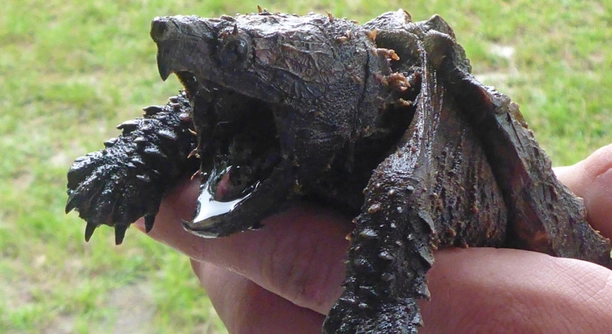
Your alligator snapping turtle’s tank plays an essential role in their health and happiness. Keeping it clean is key to maintaining a safe, comfortable environment. Over time, however, signs of wear and neglect may emerge.
The simplest indication that your alligator snapping turtle’s tank needs cleaning is the presence of excessive algae, murky water, or strong odors. These issues can affect the turtle’s well-being and should be addressed promptly to maintain a healthy habitat.
A clean tank is essential for your turtle’s comfort and health. Regular maintenance ensures the tank remains in good condition.
Algae Build-Up in Your Tank
If you notice your alligator snapping turtle’s tank turning green or cloudy, algae might be the cause. Algae thrive in aquariums with excess light, inadequate filtration, or high nutrient levels. Algae not only obstruct the view but can also affect the quality of water, leading to unhealthy conditions for your turtle.
Excess algae can harm the overall tank environment, resulting in poor water quality. Regular cleaning and maintaining proper filtration can help avoid algae problems. Removing algae helps ensure a healthier habitat for your turtle.
To prevent algae from building up, make sure the tank gets the right amount of light and avoid overfeeding. Check the filtration system regularly to ensure it’s working effectively. Cleaning the tank frequently can keep algae in check and provide your turtle with a cleaner, more comfortable environment. A well-maintained tank will help your turtle stay healthy and active.
Murky Water
Cloudy or murky water is another sign that the tank needs cleaning. The water could look unclear due to waste buildup, leftover food, or unclean filters.
Keeping the water clear is essential for your turtle’s well-being. Regular water changes and tank cleaning will help avoid cloudy water. Proper filtration is key to maintaining water quality.
Unpleasant Odor
A strong, foul odor is a clear sign that your alligator snapping turtle’s tank is overdue for a cleaning. When the tank starts smelling, it often indicates decaying food, waste buildup, or poor water quality. Left unchecked, the tank can become a breeding ground for bacteria that harms both your turtle and the environment.
Regular water changes and filter maintenance can help prevent odors. It’s important to remove uneaten food after feeding your turtle to keep waste levels under control. Clean the tank regularly and ensure the water is properly filtered. A well-maintained tank should have minimal odor, which is a good indication of a healthy environment for your turtle.
If the smell persists despite regular cleaning, check the filter system. Over time, filters can become clogged or lose efficiency. A thorough cleaning or replacement of the filter might be necessary to restore proper water quality and eliminate lingering smells. Make sure to test water parameters as well.
Decreased Activity
If you notice your alligator snapping turtle being less active than usual, it could be a sign that the tank environment isn’t right. Poor water quality, excessive waste, or an unclean habitat can affect your turtle’s behavior. When the tank isn’t properly cleaned, turtles may feel stressed, leading to lethargy.
Lack of activity can be caused by dirty water, temperature fluctuations, or not enough space to move around. A clean tank provides a more comfortable space, allowing your turtle to feel more secure and active. Make sure the water temperature and quality remain consistent.
Check that the tank is large enough for your turtle to swim and explore. A smaller tank with poor water conditions can lead to stress and inactivity. Cleaning the tank and ensuring an appropriate environment encourages natural behavior. Regular care can help your turtle thrive and stay energetic.
Visible Waste
Visible waste in the tank is another obvious sign that cleaning is needed. If you see leftover food or turtle waste floating in the water, it’s time to clean. Waste can accumulate quickly, especially if your turtle has a larger diet or if the filtration system is not working well.
Make sure to remove uneaten food daily to prevent it from breaking down and polluting the water. Excess waste left in the tank can lead to poor water quality and a stressful environment for your turtle. Cleaning the tank regularly will keep the habitat fresh and healthy.
A strong filtration system can help break down waste and reduce the need for frequent manual cleanings. However, routine cleaning and water changes are still necessary to ensure the environment stays clean and your turtle remains healthy. Maintaining a clean tank is crucial for your turtle’s overall well-being.
Ineffective Filtration
If the filter is not working as it should, your turtle’s tank will show signs of poor water quality. An inefficient filter can result in cloudiness, odors, and waste buildup. Regularly check and clean the filter to ensure it’s functioning properly.
Replace filter media when necessary to keep the filtration system working effectively. Regular maintenance of the filter can prevent water from becoming polluted, ensuring your turtle’s habitat remains clean. A working filter helps maintain clear water, reducing the need for excessive water changes.
High Nitrate Levels
When nitrate levels are high, it indicates that waste is not being adequately removed from the tank. This can cause the water quality to deteriorate, affecting both your turtle’s health and the overall tank environment. Regular water testing will help you monitor nitrate levels.
Water changes are essential in lowering nitrate levels. If levels are consistently high, you may need to adjust the filtration or change feeding habits. Overfeeding can lead to more waste, which raises nitrate levels. Keeping nitrate levels in check is crucial for the health of your turtle and its environment.
FAQ
How often should I clean my alligator snapping turtle’s tank?
Cleaning frequency depends on the size of the tank, the number of turtles, and the efficiency of the filtration system. Typically, you should clean the tank every two to four weeks. However, you should change 25-50% of the water weekly to maintain water quality. Regular water changes are essential to prevent waste buildup and keep the environment healthy.
Can I clean my turtle’s tank with soap or chemicals?
No, you should never use soap or chemicals to clean your turtle’s tank. These substances can leave harmful residues that are toxic to your turtle. Use water and a non-toxic aquarium-safe cleaner or vinegar to scrub the surfaces. Thoroughly rinse the tank before refilling it with clean water.
What should I do if my turtle’s tank smells bad?
If your turtle’s tank smells, it’s a sign that it’s overdue for cleaning. Remove uneaten food and excess waste, change a portion of the water, and clean the filter. A strong odor typically means there’s too much decaying organic matter in the tank, which can harm your turtle. Regular cleaning should help prevent odors.
Why is my alligator snapping turtle not active?
Lack of activity can result from poor water quality, improper tank temperature, or stress from a dirty environment. Ensure your tank has the right water conditions and that it’s free from waste and algae. Also, check the water temperature. Your turtle might be less active if it feels unsafe or uncomfortable.
How can I prevent algae growth in my turtle’s tank?
Algae thrive in tanks with excess light and nutrients. To prevent algae growth, limit the amount of light your turtle’s tank receives and avoid overfeeding. Maintain a good filtration system and perform regular water changes to reduce the nutrients algae need to grow. A clean tank will help keep algae at bay.
Is it okay to keep multiple turtles in the same tank?
It’s possible to keep multiple turtles in the same tank, but you must provide enough space for each one. Overcrowding can lead to stress, territorial disputes, and an increase in waste, which may degrade the water quality. A larger tank and multiple filters are essential when housing more than one turtle.
How do I know if the water temperature is correct for my turtle?
Alligator snapping turtles prefer water temperatures between 75°F and 85°F (24°C to 29°C). You can use an aquarium thermometer to monitor the water temperature. If it’s too cold or too hot, your turtle may become stressed or lethargic. Keeping the temperature consistent is key to maintaining a healthy tank environment.
Should I use a substrate in my turtle’s tank?
Substrate, such as gravel or sand, is not always necessary for alligator snapping turtles. While it can add aesthetic value, it can make cleaning more difficult and pose a risk if ingested. If you choose to use substrate, ensure it’s large enough that your turtle cannot swallow it. You can also opt for a bare-bottom tank for easy cleaning.
How do I clean the filter in my turtle’s tank?
Cleaning the filter is crucial for maintaining proper water quality. Turn off the filter and remove it from the tank. Rinse the filter media in water taken from the tank to preserve beneficial bacteria. Do not use tap water, as it can kill the helpful bacteria. Replace the filter media as needed.
What type of food should I feed my alligator snapping turtle?
Alligator snapping turtles are carnivorous and prefer a diet rich in protein. Offer them a mix of commercially available turtle pellets, live fish, worms, and insects. You can also provide occasional leafy greens. Be sure to adjust the food portions based on your turtle’s size and age. Overfeeding can lead to poor water quality and excess waste.
Can I use tap water in my turtle’s tank?
Tap water is generally safe, but it may contain chlorine or chloramine, which are harmful to your turtle. You can use a water conditioner to neutralize these chemicals. It’s important to test the water before adding it to the tank to ensure it’s safe. If possible, use dechlorinated or filtered water for your turtle’s tank.
Why does my turtle have a shell fungus?
Shell fungus can occur when the tank environment is not properly maintained. If the water quality is poor, your turtle may develop fungal infections. Fungal growth typically appears as white, fluffy patches on the shell. To treat it, improve the water conditions, clean the tank thoroughly, and consult a vet for appropriate antifungal treatment.
How can I tell if my turtle’s tank is overstocked?
An overstocked tank leads to poor water quality, more waste, and increased stress for the turtles. If you notice your turtles becoming more aggressive toward each other or if the water becomes dirty more quickly than usual, it could be a sign that the tank is overstocked. Ensure there’s enough space for each turtle to swim and bask comfortably.
Do I need to use a UVB light for my turtle’s tank?
UVB light is important for turtles to synthesize vitamin D3, which is essential for shell health and calcium absorption. If your turtle doesn’t have access to natural sunlight, providing a UVB light in the tank is necessary. Make sure to replace the bulb every 6 to 12 months, as its UVB output decreases over time.
Final Thoughts
Maintaining a clean and healthy environment for your alligator snapping turtle is essential for its well-being. Regular tank cleaning, proper water quality, and attention to the turtle’s diet and health can prevent most common problems. A clean tank not only helps to avoid foul odors and algae growth, but it also ensures that your turtle has the best chance of thriving in its habitat. Consistency in cleaning routines and monitoring water quality can make a big difference in the long-term health of your turtle.
Water quality plays a key role in your turtle’s health. Keeping the tank water clean and free of debris should be your top priority. Frequent water changes, along with proper filtration, will help manage waste and keep the water clear. If left unchecked, poor water quality can lead to stress, infections, and even diseases for your turtle. Using a reliable filtration system and monitoring nitrate levels will reduce the need for excessive water changes. The right tank setup, including water temperature, filtration, and lighting, will promote a healthy and happy environment.
By paying attention to these basic maintenance tasks, you can enjoy watching your alligator snapping turtle grow and thrive. Creating a balanced and safe environment ensures that it remains active and healthy, reducing the risk of health issues and making your role as a turtle owner easier. Regularly checking the tank, cleaning it when needed, and ensuring the right water parameters will help prevent stress and keep your turtle comfortable. In the end, your efforts will result in a long, healthy life for your alligator snapping turtle.

Hello,
If you enjoy the content that we create, please consider saying a "Thank You!" by leaving a tip.
Every little bit helps us continue crafting quality advice that supports the health, happiness, and well-being of pets around the world, for pets of all shapes, sizes, and species.
We really appreciate the kindness and support that you show us!