
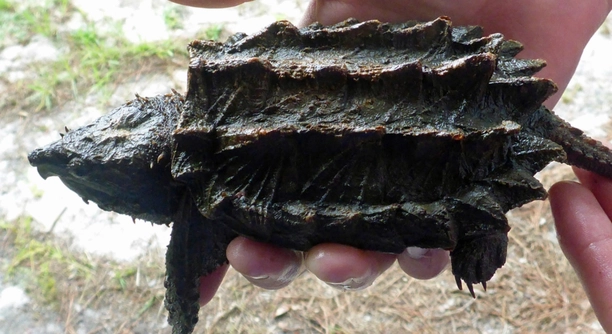
Alligator snapping turtles are fascinating creatures, but maintaining their water quality can be tricky. Their water needs to stay fresh and clean to ensure they thrive. Keeping the tank environment right is key to their health.
Keeping your alligator snapping turtle’s water fresh involves regular water changes, filtration, and controlling feeding habits. Water quality is directly impacted by waste buildup, so investing in a strong filter and maintaining a proper tank setup is essential for long-term health.
With these simple steps, you can easily improve your turtle’s habitat and create a cleaner environment for your pet.
Regular Water Changes
The best way to keep your alligator snapping turtle’s water fresh is by performing regular water changes. Over time, the water accumulates waste from your turtle’s food and droppings. This can cause the water to become murky and may lead to the growth of harmful bacteria. Aim to change about 25% of the water every week. This will help reduce waste buildup and keep the water cleaner.
Changing the water regularly keeps your turtle’s environment healthy and reduces stress. Fresh water also prevents the buildup of toxins and maintains the right balance of water parameters.
If you find it difficult to change the water frequently, you can set up a reminder or make a schedule to help stay on track. Consistency is key for maintaining a clean tank and promoting your turtle’s overall well-being.
Invest in a Strong Filter
A high-quality filter is essential for keeping your turtle’s water fresh. A good filter helps remove debris and waste from the water, keeping it cleaner for longer. Make sure the filter is designed for a tank of your turtle’s size, and clean it regularly to ensure it works efficiently.
Filters help maintain water quality by circulating water and preventing waste from accumulating. This makes a noticeable difference in the overall cleanliness of the tank. With the right filter, you can reduce the number of water changes needed and ensure that your turtle’s environment remains stable and healthy.
Be sure to monitor the filter’s performance and replace the filter media when it becomes clogged. A well-maintained filter is a critical investment for anyone with an alligator snapping turtle, as it prevents the water from becoming too dirty between changes.
Proper Feeding Habits
Feeding your alligator snapping turtle properly can significantly impact water quality. Avoid overfeeding, as uneaten food will decay in the water, leading to an increase in waste and algae. Feed your turtle a balanced diet and remove any leftover food to keep the water fresh.
Consider feeding your turtle smaller amounts of food more often. This helps ensure they eat what’s necessary and reduces the risk of excess food rotting in the tank. A good rule of thumb is to feed your turtle only what they can consume in about 10 to 15 minutes.
Some foods, like live or freeze-dried prey, can leave more debris behind than others. So, it’s important to clean the tank regularly, especially after feeding. Removing uneaten food right away will make a big difference in maintaining fresh water.
Tank Size and Setup
A properly sized tank is essential for maintaining water quality. An overcrowded tank increases waste production, making it difficult to keep the water clean. The general rule is to provide at least 100 gallons of water space for each adult alligator snapping turtle.
Larger tanks allow for better filtration, more water volume, and reduced waste buildup. It’s important to choose a tank that not only fits your turtle’s size but also allows room for swimming and natural behaviors. This promotes a healthier environment and cleaner water.
In addition to a spacious tank, consider setting up a good filtration system, as mentioned earlier. The setup should include proper lighting, substrate, and hiding spots to mimic the turtle’s natural habitat. A well-maintained tank ensures that your turtle’s water remains fresh and the turtle stays healthy.
Water Conditioner
Using a water conditioner can help keep your alligator snapping turtle’s water fresh. Tap water often contains chlorine, chloramine, and other chemicals that can harm your turtle. A water conditioner neutralizes these harmful elements, making the water safer for your turtle.
By treating the water with a conditioner, you ensure that it is free of contaminants, which could lead to water quality issues. Regularly treating the water, especially after water changes, can help maintain a healthier environment. It’s a simple step to ensure your turtle’s well-being.
Water Temperature Control
Maintaining the right water temperature is crucial for the health of your alligator snapping turtle and water quality. Ideal temperatures range between 72°F and 78°F. This range supports their metabolism and ensures the filter and water movement function properly.
Using a reliable aquarium heater will help keep the water within this range. Keep a thermometer in the tank to monitor the temperature regularly. If the water gets too cold or too hot, it can lead to stress and poor health for your turtle.
Avoiding Overcrowding
Overcrowding your tank can negatively affect the water quality. Too many turtles or tankmates increase waste production, which makes it harder to maintain clean water. Stick to a manageable number of turtles per tank to avoid stressing the filtration system and your turtle.
FAQ
How often should I change my alligator snapping turtle’s water?
Water changes should be done every week, with about 25% of the tank water replaced. This helps maintain clean water and reduces waste buildup. For smaller tanks or higher numbers of turtles, you might need to change the water more frequently. A regular water change schedule prevents harmful bacteria and toxins from affecting your turtle’s health. Keep an eye on water clarity and odor; if the water starts to look cloudy or smell, it’s time to do a change, even if it’s not yet a full week.
Can I use regular tap water for my turtle tank?
You can use tap water, but it’s important to treat it with a water conditioner. Tap water contains chlorine, chloramine, and other chemicals that are harmful to your turtle. A water conditioner neutralizes these chemicals, making the water safe for your pet. Always test your water before adding your turtle back into the tank. If you don’t use a water conditioner, these chemicals can stress your turtle and affect water quality.
What is the best filtration system for an alligator snapping turtle?
A powerful filtration system is essential for keeping water fresh in a turtle tank. A canister filter or a sump filter are both great choices because they can handle the high waste load produced by turtles. Make sure the filter is rated for a tank size larger than your current setup to ensure it can handle the water quality demands. Cleaning the filter regularly will keep it running efficiently, removing debris and waste from the water.
How do I prevent algae growth in my turtle tank?
Algae thrive in tanks with excessive nutrients, often from uneaten food, waste, or too much light. To prevent algae, remove uneaten food immediately after feeding your turtle. Avoid overfeeding and make sure the tank is cleaned regularly. You can also reduce lighting to about 8–10 hours per day and keep the tank in a location that doesn’t get too much direct sunlight. If algae do start to grow, consider adding algae-eating animals like snails or specific algae-cleaning tools for tanks.
How do I maintain water temperature for my alligator snapping turtle?
Alligator snapping turtles need a water temperature between 72°F and 78°F (22°C to 25°C). Invest in an aquarium heater with a thermostat to regulate the temperature. It’s also a good idea to have a thermometer in the tank to monitor fluctuations. Keep the heater submerged and placed at one end of the tank, providing a warm zone for your turtle. If your water temperature drops too low, it can slow down digestion, weaken your turtle’s immune system, and cause other health problems.
Do I need to use a UVB light for my alligator snapping turtle?
Yes, providing a UVB light is important for your turtle’s health. UVB lighting helps your turtle produce vitamin D3, which is necessary for calcium absorption and bone health. Without UVB light, your turtle could develop metabolic bone disease. Set up a UVB bulb over the basking area, and make sure it’s replaced every 6 to 12 months, as the UVB rays degrade over time. Keep the light on for 10–12 hours each day to mimic natural sunlight cycles.
Is it okay to keep more than one alligator snapping turtle in the same tank?
It’s possible to keep multiple alligator snapping turtles together, but they tend to be territorial and aggressive, especially as they grow. If you plan to keep more than one turtle, make sure the tank is large enough to accommodate them without overcrowding. It’s best to have at least 100 gallons of water per adult turtle. Even with enough space, you may need to closely monitor their behavior and be prepared to separate them if they become aggressive toward each other.
What should I do if my turtle’s water becomes cloudy?
If the water in your alligator snapping turtle’s tank becomes cloudy, it’s usually due to excess waste, uneaten food, or insufficient filtration. Check the filter and clean it if needed. Remove any leftover food, and do a partial water change. If the cloudiness persists, you may need to clean the tank more thoroughly, including the substrate and decorations. Make sure your filtration system is properly sized for the tank and running efficiently.
How can I tell if my turtle’s water is clean enough?
Clean water should be clear, odorless, and free of visible debris. If the water becomes murky, starts to smell, or has a greenish tint, it’s time to change the water. Regular water testing kits can also help measure the water’s pH, ammonia, nitrites, and nitrates. Keeping these parameters in check will help maintain a healthy environment for your turtle. Your turtle’s health is also a good indicator; if it’s active and eating well, the water quality is likely fine.
Can I use a substrate in my alligator snapping turtle’s tank?
You can use a substrate, but it’s important to choose one that is safe for your turtle. Many people use smooth river rocks or large gravel that turtles can’t accidentally ingest. Avoid fine gravel or sand, as turtles may accidentally eat it, which could lead to digestive issues. Substrate can also trap debris and waste, so it’s essential to clean it regularly to prevent water quality problems.
How often should I clean the filter for my turtle tank?
The filter should be cleaned every 3 to 4 weeks, but check it more frequently to ensure it’s working properly. You can clean the filter media with water from the tank to avoid removing beneficial bacteria that help break down waste. Regular filter maintenance keeps the water clear and helps prevent the growth of harmful bacteria.
Final Thoughts
Maintaining fresh water for your alligator snapping turtle is crucial for its health and well-being. Regular water changes, proper feeding habits, and good filtration are the foundation of a clean tank. By ensuring your turtle’s habitat stays clean, you prevent the buildup of harmful toxins and bacteria that could affect its health. These small, routine tasks will keep the environment stable and comfortable for your turtle. The effort put into maintaining the water quality will pay off by helping your turtle thrive.
The size of the tank, the type of filtration system, and how often you clean and monitor the water will all play a role in how fresh and clean the water stays. A high-quality filter, combined with appropriate water treatments, will minimize the need for constant water changes. However, regular monitoring is key to catch any issues early. Keeping the tank clean doesn’t just improve water quality; it also creates a better environment for your turtle to live and grow in.
Remember that the water temperature, lighting, and water quality are interconnected and affect your turtle’s behavior and health. Consistent care and attention to these factors will ensure that your alligator snapping turtle remains healthy and happy. While it may take some time to set up and adjust the tank environment properly, the reward is worth the effort. A clean and well-maintained habitat allows your turtle to live a long, healthy life.

Hello,
If you enjoy the content that we create, please consider saying a "Thank You!" by leaving a tip.
Every little bit helps us continue crafting quality advice that supports the health, happiness, and well-being of pets around the world, for pets of all shapes, sizes, and species.
We really appreciate the kindness and support that you show us!