
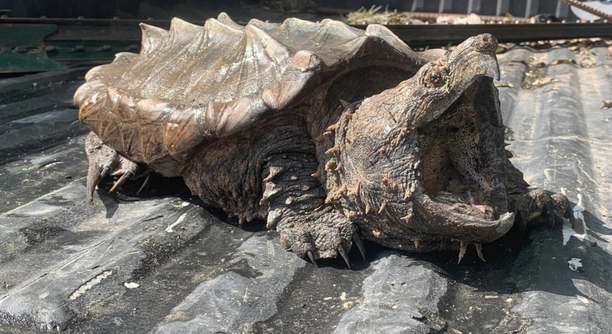
Alligator snapping turtles are unique creatures that often have odd behaviors. If you’ve noticed your turtle swimming in circles, you’re not alone. Understanding why this happens can help improve the care you provide for your pet.
The main reason for this behavior is stress or boredom. Alligator snapping turtles may swim in circles due to environmental factors such as inadequate tank size, lack of stimulation, or changes in their surroundings.
Identifying and addressing the root cause of this behavior can help improve your turtle’s well-being. Keep reading to find out how you can create a healthier environment for your alligator snapping turtle.
Stress from a Small Tank
If your alligator snapping turtle’s tank is too small, it might start swimming in circles due to the limited space. These turtles need room to move around, explore, and hide. If they feel cramped, it can lead to constant swimming and stress. A small enclosure doesn’t allow for natural behavior, which is crucial for a turtle’s health.
Turtles need a tank that’s large enough to swim freely and explore their environment. If the tank is too small, it can lead to anxiety and repetitive swimming behavior.
Consider upgrading to a larger tank with plenty of space for your turtle to swim. Adding rocks, plants, and hiding spots will give them places to explore and feel secure. This will not only reduce stress but also help your turtle live a more fulfilling life. The more variety you introduce to their habitat, the less likely your turtle will swim endlessly in circles.
Lack of Stimulation
Boredom is another common reason for circular swimming. Alligator snapping turtles are naturally curious and need mental stimulation. Without things to engage with, they may resort to repetitive swimming.
Providing enrichment like floating toys, ramps, or objects to interact with can help keep their mind active. Adding more textures and areas for exploration will create a more interesting environment, preventing your turtle from getting bored.
Water Quality
If the water in your turtle’s tank is dirty, it can cause stress, which leads to odd behaviors like swimming in circles. Alligator snapping turtles are sensitive to water conditions, and poor water quality can trigger agitation. You must keep the water clean and clear for your turtle’s health.
Regularly changing the water and cleaning the filter can help maintain good water quality. A good filtration system is essential for keeping the tank clean, as snapping turtles produce a lot of waste. Water should be kept at the right temperature and pH level to ensure your turtle feels comfortable. A clean tank allows your turtle to stay healthy and reduces stress-related behaviors.
Testing the water regularly for ammonia, nitrate, and nitrite levels can prevent any toxic build-up. Keeping the water temperature between 72°F and 78°F is also important for your turtle’s well-being. When water conditions are optimal, your turtle will feel safe and content, reducing the chances of them swimming in circles.
Illness or Injury
An injury or illness can cause your alligator snapping turtle to swim aimlessly. If they are in pain or feeling unwell, they might swim in circles as a sign of distress. Keep an eye on your turtle’s physical condition to rule out any health issues.
If you notice any visible signs of injury, like cuts or swelling, or if your turtle is acting abnormally, it’s best to consult a veterinarian. Illnesses such as respiratory infections or parasites can also affect behavior. A turtle that is suffering may act out in unusual ways, including swimming in repetitive patterns. Early detection is crucial for treatment.
Make sure to check for other signs like lethargy, loss of appetite, or changes in their shell. If your turtle isn’t eating or seems overly sluggish, it may be a sign of something more serious. Timely care can prevent the situation from worsening and help your turtle recover.
Temperature Fluctuations
Alligator snapping turtles are very sensitive to temperature changes. If the water in their tank fluctuates too much, it can cause stress, leading to swimming in circles. The water temperature should be stable and within a comfortable range for your turtle.
Make sure the tank has a reliable heater and thermometer to keep the water consistent. Sudden drops or increases in temperature can confuse and agitate your turtle. Even small changes can be enough to cause anxiety and repetitive behavior. If you notice your turtle swimming in circles, check the water temperature immediately.
A stable environment will help reduce unnecessary stress. Consistency is key to maintaining your turtle’s health and comfort.
Inadequate Lighting
Your alligator snapping turtle might swim in circles due to poor lighting. Turtles need a proper day-night cycle to maintain their natural rhythms. Inadequate or inconsistent lighting can affect their mood and behavior.
Make sure to provide UVB lighting to help your turtle absorb calcium and stay healthy. UVB light is also essential for regulating your turtle’s sleep cycle. Without proper lighting, turtles may feel confused or stressed, leading to behaviors like swimming in circles.
Poor Diet
An unbalanced diet can contribute to abnormal behavior. If your alligator snapping turtle is not getting the right nutrients, it can cause stress, making them swim excessively. A proper diet is essential for overall health.
Turtles need a mix of protein, vegetables, and occasional treats to stay healthy. Ensure that you’re feeding them the right foods at the right amount. Too much of one food type can lead to malnutrition, which can affect your turtle’s behavior.
FAQ
Why does my alligator snapping turtle keep swimming in circles?
Turtles swim in circles for several reasons, with the most common being stress or boredom. If their tank is too small, their environment is lacking stimulation, or the water quality isn’t ideal, they might start swimming aimlessly. Additionally, any discomfort due to illness or injury can also cause this repetitive behavior. If your turtle seems to swim in circles more than usual, consider checking the tank size, water conditions, and overall health of your pet.
How do I stop my alligator snapping turtle from swimming in circles?
First, ensure your turtle has a large enough tank to swim freely and explore. A bigger tank with hiding spots, plants, and other enrichments can help prevent boredom. Regularly clean the tank, check the water quality, and keep the temperature stable. Also, monitor your turtle’s health for any signs of illness or injury. Providing a proper diet and adequate lighting can improve your turtle’s mood and behavior as well.
Can a dirty tank cause my turtle to swim in circles?
Yes, poor water quality can stress your alligator snapping turtle. Dirty water can irritate their skin and respiratory system, which can lead to swimming in circles as they try to escape discomfort. Make sure to change the water regularly and maintain a good filtration system. Checking the ammonia and nitrate levels can also help avoid water quality issues.
How big should my turtle’s tank be?
Alligator snapping turtles can grow quite large, so they need a spacious tank. A general rule is to have at least 75 gallons of water for one turtle. Larger tanks provide enough space for your turtle to swim freely and feel secure. A tank that’s too small can lead to stress and behaviors like swimming in circles. As your turtle grows, you may need to upgrade to a larger tank.
Does my turtle need UVB light?
Yes, UVB light is essential for your alligator snapping turtle. UVB rays help turtles synthesize vitamin D3, which is crucial for calcium absorption and shell health. Without UVB light, your turtle may become lethargic, and its shell may start to soften, which can lead to further health problems. A good UVB light source should be used during the day and replaced regularly.
Is it normal for my turtle to swim all day?
While all turtles swim regularly, excessive swimming might indicate stress, poor water conditions, or boredom. If your turtle is swimming in circles all day, it’s worth investigating the cause. Check the water quality, tank size, temperature, and make sure your turtle is receiving a proper diet. In some cases, prolonged swimming may also signal an underlying health issue that requires attention.
How do I know if my turtle is sick?
If your alligator snapping turtle is swimming in circles or acting differently, it could be a sign of illness. Look for other symptoms like loss of appetite, lethargy, discolored or soft shell, wheezing, or swollen limbs. Any of these signs should be addressed by a veterinarian. Regular checkups are important for catching health issues early.
Can temperature affect my turtle’s behavior?
Yes, fluctuating water temperature can cause stress in turtles. Alligator snapping turtles are sensitive to changes in water temperature, which can lead to erratic swimming. It’s important to maintain a consistent water temperature between 72°F and 78°F to keep your turtle comfortable. A reliable heater and thermometer can help maintain the ideal temperature in the tank.
What should I feed my alligator snapping turtle?
Alligator snapping turtles need a balanced diet to thrive. They are primarily carnivores, so they should be fed a mix of proteins such as fish, worms, and other invertebrates. You can also offer some leafy greens and occasional fruits. Be careful not to overfeed or rely too much on one type of food, as variety is key to their health.
Is there a way to prevent my turtle from being bored?
Yes, enrichment is important to keep your turtle mentally stimulated. Provide different textures and objects like rocks, logs, and plants that they can interact with. A ramp or floating platform can also give them places to climb and bask. Adding variety to their environment will encourage exploration and reduce repetitive swimming.
How often should I change the water in my turtle’s tank?
It’s important to change your turtle’s water regularly to maintain a clean and healthy environment. Partial water changes should be done weekly, while complete water changes can be done every 4-6 weeks. In addition, make sure to clean the tank and filter to keep the water free of toxins.
Final Thoughts
Alligator snapping turtles are fascinating creatures, but they require the right environment to thrive. If your turtle is swimming in circles, it is often a sign that something is wrong in its habitat or health. The most common reasons for this behavior are stress, boredom, or poor water conditions. It’s important to address these issues quickly, as continuous stress can affect your turtle’s overall well-being. Regular maintenance of the tank, proper feeding, and ensuring the environment is suitable for your turtle’s needs will make a significant difference.
Providing your turtle with enough space to move around is one of the most crucial factors. A larger tank with plenty of hiding spots, plants, and objects to interact with can prevent boredom and reduce repetitive behaviors. This space allows your turtle to explore and feel more secure, which can eliminate the need to swim in circles. Consistent water temperature, quality, and cleanliness are also essential to maintaining a healthy environment. A reliable filtration system and regular water changes will ensure your turtle’s water is always in the best condition, reducing the risk of stress.
Finally, always keep an eye on your turtle’s health. If swimming in circles continues despite addressing environmental factors, it may be a sign of illness or injury. A visit to the vet can help rule out any health issues and ensure that your turtle receives proper treatment. Remember that turtles need mental and physical stimulation, so providing a well-balanced diet and proper lighting will also improve their mood and behavior. With the right care, your alligator snapping turtle can live a long, happy life.

Hello,
If you enjoy the content that we create, please consider saying a "Thank You!" by leaving a tip.
Every little bit helps us continue crafting quality advice that supports the health, happiness, and well-being of pets around the world, for pets of all shapes, sizes, and species.
We really appreciate the kindness and support that you show us!