
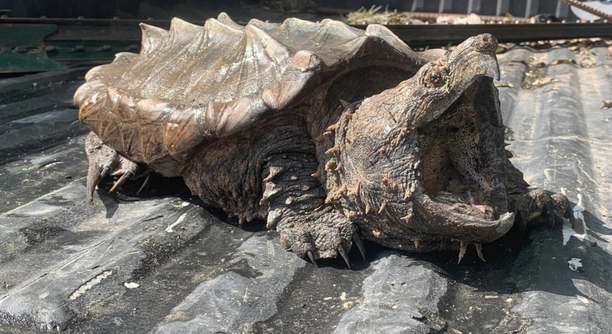
If you own an alligator snapping turtle, you may be concerned about its health from time to time. Respiratory issues are one of the more common problems in turtles, and recognizing them early can help in treatment.
Respiratory problems in alligator snapping turtles can present as labored breathing, frequent mouth gaping, or a lack of appetite. These symptoms may indicate an infection or poor water conditions, both of which require prompt attention.
Identifying these signs early is important for proper care. In the following sections, we will guide you through spotting these issues and how to help your turtle feel better.
Signs of Respiratory Problems in Alligator Snapping Turtles
Respiratory issues in alligator snapping turtles are often linked to poor water quality, stress, or bacterial infections. If you notice your turtle frequently opening its mouth, this could be a sign of breathing difficulty. A healthy turtle typically breathes quietly through its nostrils. Any change, such as labored or rapid breathing, should not be ignored. Another sign is when the turtle remains at the surface of the water for long periods, gasping for air. This behavior is usually a result of struggling to breathe properly. You might also notice a change in your turtle’s behavior, like a loss of appetite or lethargy. These are common indicators that your turtle is feeling unwell and may be experiencing respiratory distress.
While subtle at first, respiratory problems in turtles can worsen quickly without intervention. If you notice any of these signs, it’s important to act fast. Addressing the issue early can often prevent further complications.
If you see your turtle having difficulty swimming, this may also be related to respiratory distress. A turtle in this state may be too weak to dive properly or may be floating on the surface. Lack of energy is a clear sign that something is wrong and should not be overlooked. Immediate action can make a big difference in their recovery.
Common Causes of Respiratory Issues
Water quality is one of the main causes of respiratory problems in snapping turtles. When the water is dirty or has an improper temperature, it can stress your turtle and weaken its immune system. Poor water conditions, like high ammonia or nitrate levels, can make it difficult for your turtle to breathe. Keeping your turtle’s habitat clean is essential for its health. Regular water changes and monitoring the tank’s pH, temperature, and filtration system can help prevent respiratory issues. Additionally, turtles exposed to extreme temperatures—whether too hot or too cold—can develop respiratory infections.
Another factor to consider is overcrowding. Alligator snapping turtles need enough space to move freely and feel secure. A cramped tank can cause stress, making your turtle more susceptible to infections. When you introduce a new turtle into the habitat, be sure to quarantine it first to avoid passing on any potential illnesses.
Keep an eye on your turtle’s diet as well. While a varied diet is crucial for their overall health, poor nutrition can weaken their immune system, making it harder for them to fight off respiratory infections. Regularly offering a balanced mix of proteins, vegetables, and calcium supplements will help your turtle stay strong.
How to Treat Respiratory Issues
If you suspect your alligator snapping turtle has a respiratory problem, it’s crucial to act quickly. The first step is improving water quality. Make sure the tank’s water is clear and the temperature is optimal. You should clean the tank and replace the water regularly. This helps remove any bacteria or harmful chemicals that might be affecting your turtle’s health.
Consult a vet who specializes in reptiles for a proper diagnosis. The vet will likely perform a physical examination and may take a sample of the turtle’s mucus for testing. If the turtle is diagnosed with a respiratory infection, the vet might recommend antibiotics or other treatments to clear up the infection.
If the turtle’s breathing difficulties are severe, it may be necessary to provide supportive care. This can include keeping your turtle in a warm, quiet space to reduce stress. You may also need to increase humidity around the tank to help your turtle breathe more easily.
Treatment should always be done under the guidance of a veterinarian. With the right care, most respiratory problems in alligator snapping turtles can be treated successfully.
Preventing Respiratory Problems
Maintaining clean water and a stable environment is key to preventing respiratory issues in alligator snapping turtles. Regularly check water conditions to ensure they’re within the proper range. This reduces the risk of infections and keeps your turtle’s immune system strong.
Water temperature, pH, and filtration are all factors in preventing respiratory problems. A water temperature that’s too cold or hot can stress the turtle, leading to respiratory distress. Consistent filtration ensures that harmful bacteria and waste don’t accumulate. Regular water changes and monitoring ammonia and nitrate levels are essential to maintaining a healthy environment.
Also, be mindful of tank overcrowding. Stress from too many turtles or other tank mates can weaken the immune system. Make sure your alligator snapping turtle has enough space to roam and feels secure. Consider its habitat needs and ensure that it’s an ideal environment for long-term health.
When to Seek Veterinary Help
If symptoms worsen or your turtle doesn’t improve with basic care, it’s time to see a vet. A vet can provide antibiotics if the infection is bacterial.
Sometimes, respiratory issues can be more complicated than just a bacterial infection. If your turtle isn’t responding to initial treatments, a vet will examine it for potential underlying conditions. In some cases, the turtle may need a more intensive form of treatment, like oxygen therapy. The vet will also check for dehydration or malnutrition, which could make respiratory problems worse.
Even if the symptoms seem minor, don’t hesitate to seek professional help. Early treatment is essential to prevent more serious complications.
The Importance of Humidity
Humidity levels also play a role in your turtle’s respiratory health. Low humidity can dry out your turtle’s respiratory system, making it harder to breathe. Ensure that the tank has adequate moisture, especially if you live in a dry climate.
Maintaining the right humidity level is important for preventing respiratory issues. Use a hygrometer to monitor moisture levels in your turtle’s habitat. If the humidity is too low, you can increase it by adding a humidity box or using a reptile fogger. Proper humidity helps keep the respiratory tract moist and prevents infections.
Regularly checking and adjusting humidity can make a big difference. It’s a simple step that helps keep your turtle’s respiratory system functioning properly.
Temperature Regulation
Temperature directly affects your turtle’s immune system and its ability to fight infections. If the water or air temperature is too cold, your turtle’s body functions slow down, leaving it vulnerable to illnesses.
Temperature control is vital for alligator snapping turtles. The water temperature should be kept between 72°F and 80°F (22°C to 27°C), and the air temperature should be slightly warmer. You can use a water heater and a basking light to regulate these temperatures. Be sure to avoid sudden temperature fluctuations, as they can cause stress.
Proper temperature management will help your turtle stay healthy and reduce the risk of respiratory issues.
Quarantine New Turtles
Quarantining new turtles before introducing them to an existing tank is crucial. New arrivals may carry illnesses that could infect your turtle.
When bringing a new turtle into your home, set up a separate quarantine tank. Keep the new turtle there for at least 30 days, monitoring for any signs of illness. This prevents the spread of infections to your healthy turtles and gives you time to address any potential health issues.
Quarantining new arrivals can prevent the spread of respiratory infections and other diseases.
FAQ
How can I tell if my alligator snapping turtle is sick?
Signs that your alligator snapping turtle might be sick include changes in behavior such as lethargy, loss of appetite, or abnormal swimming patterns. Respiratory issues may manifest as labored breathing, mouth breathing, or floating at the surface of the water for extended periods. Additionally, if you notice any discharge from the nose or eyes, this could be a sign of an infection. Keep an eye out for changes in the turtle’s shell, skin, or overall appearance, as these can also indicate health problems.
What is the best temperature for an alligator snapping turtle’s tank?
For an alligator snapping turtle, the water temperature should be between 72°F and 80°F (22°C to 27°C). The air temperature in the tank should be slightly warmer, around 80°F to 85°F (27°C to 29°C). These temperatures help keep the turtle’s metabolism in balance and ensure its immune system functions well. You can achieve the proper temperature by using a water heater and a basking light.
Can my alligator snapping turtle get a cold?
Yes, alligator snapping turtles can get respiratory infections, which can sometimes be referred to as a “cold” in reptiles. Symptoms may include sneezing, labored breathing, and loss of appetite. Cold environments or water that is too cold can weaken their immune system, making them more susceptible to infections. Always keep their environment at the appropriate temperature and humidity levels to help prevent this.
How often should I clean my alligator snapping turtle’s tank?
The tank should be cleaned regularly to maintain good water quality. Perform partial water changes at least once a week, replacing 25-30% of the water. The substrate and decorations should be cleaned at least once a month to remove any debris or buildup. It’s also important to monitor ammonia and nitrate levels, as these can affect your turtle’s health if they get too high.
Can I use a regular aquarium filter for my alligator snapping turtle?
A regular aquarium filter might not be powerful enough for an alligator snapping turtle. Snapping turtles produce more waste than smaller fish or reptiles, so you’ll need a strong filter with a high flow rate. A canister filter or an external filter designed for larger aquariums will provide better filtration and help maintain water quality, which is essential for the health of your turtle.
What should I feed my alligator snapping turtle?
Alligator snapping turtles are carnivorous and typically eat a diet of protein-rich foods like fish, insects, worms, and even small mammals. You can also offer them some plant matter occasionally, such as leafy greens. Commercial turtle pellets can be included as part of their diet, but they should not make up the majority of their meals. A balanced diet will ensure that your turtle gets the nutrients it needs to stay healthy.
How long do alligator snapping turtles live?
Alligator snapping turtles are long-lived creatures and can live for up to 50 years or more in captivity with proper care. In the wild, they might live slightly shorter lives due to environmental factors and predators. Providing them with a stable environment, proper diet, and routine health checks will help them live a long and healthy life.
Can alligator snapping turtles swim?
Yes, alligator snapping turtles are strong swimmers. They are typically found in freshwater habitats like rivers, lakes, and ponds where they can swim and hunt for food. While they spend time in the water, they also need access to a basking area where they can rest and regulate their body temperature.
Do alligator snapping turtles need UVB light?
Yes, UVB light is important for all reptiles, including alligator snapping turtles. UVB helps them synthesize vitamin D3, which is crucial for calcium absorption and shell health. Without UVB lighting, your turtle could develop metabolic bone disease or other health issues. A proper UVB bulb should be used in combination with the basking light in their enclosure.
Why is my alligator snapping turtle floating?
Floating can be a sign that your alligator snapping turtle is having difficulty with its respiratory system, which can be caused by a respiratory infection. If your turtle floats and appears lethargic, it’s important to check for other symptoms, such as labored breathing or discharge from the eyes or nose. In some cases, floating may also be due to an injury, excessive air intake, or improper water conditions. If the symptoms persist, consult a veterinarian.
How do I know if the water quality is good for my alligator snapping turtle?
To ensure your alligator snapping turtle’s environment is healthy, monitor water quality regularly. Use a water testing kit to check the levels of ammonia, nitrites, and nitrates, as high levels of these can be harmful. The pH of the water should be between 6.5 and 7.5. Additionally, keep the water temperature between 72°F and 80°F and ensure that the filter is working properly. Clean the tank regularly to maintain water quality.
Can I keep multiple alligator snapping turtles together?
Alligator snapping turtles are solitary creatures and can be territorial. It’s best to house them separately, especially if they are not accustomed to living with others. If you do attempt to keep multiple turtles together, ensure that they have plenty of space to avoid stress and aggression. Overcrowding can lead to territorial disputes and health issues, especially if one turtle feels threatened or stressed.
Should I be concerned if my turtle isn’t eating?
If your alligator snapping turtle isn’t eating, it could be a sign of stress, poor water quality, or a health issue. It’s important to assess the tank conditions, such as temperature, humidity, and cleanliness. If the environment is healthy and the turtle still refuses food, it may be sick or stressed, and a visit to the vet is recommended.
Final Thoughts
Taking care of an alligator snapping turtle requires attention to detail, especially when it comes to their respiratory health. Early recognition of signs like labored breathing, mouth gaping, or changes in behavior can make a big difference in how quickly your turtle recovers. By ensuring proper water quality, temperature, and humidity, you can prevent many respiratory problems from occurring in the first place. Regularly cleaning the tank and monitoring the turtle’s environment will help keep it healthy and minimize stress.
While respiratory issues are common in turtles, they can often be treated successfully with prompt care. If you notice symptoms such as loss of appetite or difficulty breathing, it’s important to take action. If basic care doesn’t improve the situation, consulting with a veterinarian who specializes in reptiles is necessary. They can provide antibiotics or other treatments to help your turtle recover. The key is acting quickly and not waiting too long, as untreated infections can lead to more serious complications.
Ultimately, the well-being of your alligator snapping turtle relies on a combination of proper care and attention. Keeping the tank clean, providing a balanced diet, and ensuring a comfortable and stress-free environment are all important steps toward maintaining your turtle’s health. By staying observant and taking preventive measures, you can help your turtle live a long and healthy life. Regular check-ups and staying informed about their needs will go a long way in preventing future health issues.

Hello,
If you enjoy the content that we create, please consider saying a "Thank You!" by leaving a tip.
Every little bit helps us continue crafting quality advice that supports the health, happiness, and well-being of pets around the world, for pets of all shapes, sizes, and species.
We really appreciate the kindness and support that you show us!