
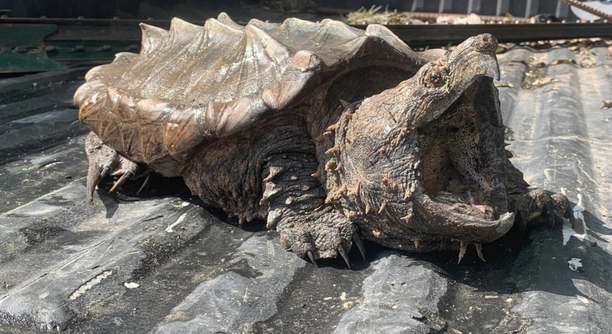
Alligator snapping turtles are unique and fascinating creatures that require a habitat reflecting their natural environment. A proper tank setup is essential for their health and well-being. Ensuring their space feels as natural as possible can benefit them greatly.
To create a more natural environment for your alligator snapping turtle, focus on providing a variety of textures, plant life, and hiding spots. Use substrates like sand or mud, add driftwood, and introduce live plants for a balanced aquatic ecosystem.
These tips will help you transform your turtle’s tank into a more suitable and stimulating space for its needs.
Choose the Right Substrate for a Natural Look
The substrate you use in your alligator snapping turtle’s tank plays a major role in recreating its natural habitat. A sandy or muddy base will closely resemble the environment found in rivers or swamps, where these turtles are typically found. Avoid smooth rocks, as they can be difficult for your turtle to grip, making it harder for them to move around. Instead, consider using coarse sand or mud to simulate their natural surroundings. The substrate also aids in filtering the water, which is essential for keeping the tank clean and maintaining water quality.
For a more authentic touch, you could mix fine gravel with sand. This will provide texture while still maintaining an easy-to-clean surface. When selecting a substrate, think about the size and activity level of your turtle. Make sure the depth is suitable for them to dig or bury themselves in when they need to feel secure.
A varied substrate not only improves the appearance of the tank but also supports your turtle’s behavior and well-being. With the right texture, your alligator snapping turtle will have more opportunities to exhibit its natural instincts.
Provide Hiding Spots
Creating hiding spots is an important aspect of building a safe and secure environment. These turtles are naturally shy and need areas to retreat when feeling threatened or stressed.
To meet this need, you can use pieces of driftwood, hollow logs, or submerged rocks. These structures will not only add to the tank’s natural look but also allow your turtle to hide in plain sight.
Add Live Plants
Live plants not only improve the aesthetic of your alligator snapping turtle’s tank but also benefit the water quality. Aquatic plants like Anubias, Java fern, and water lettuce provide hiding spots and contribute to natural water filtration. These plants can also create a more stable environment by absorbing excess nutrients.
Having live plants helps mimic a natural ecosystem, where the turtle can forage for food and hide among foliage. Plants also help control algae growth and maintain oxygen levels, both crucial for your turtle’s health. Be sure to select hardy plants that can withstand the turtle’s activities. Keep in mind that some plants may be eaten, so choose those that are tough enough to endure.
For maximum benefits, use plants that are rooted in substrate. Floating plants offer coverage and shade but may require more maintenance. By adding live plants, you create a dynamic and healthier environment for your turtle.
Include Water Features
Adding water features like rocks or logs to your turtle’s tank will improve its overall look. These additions serve as both decoration and functional elements, offering places for the turtle to rest, climb, or hide. They should be placed carefully to avoid creating sharp edges or obstacles that could hurt your turtle.
To make the water feature more realistic, choose items that look natural and are safe for the turtle. Submerged driftwood is a great choice as it gives the tank a natural vibe while providing surfaces for plants to grow. Waterfalls or small fountains can also add a soothing effect, but make sure the sound doesn’t startle your turtle. A water feature will encourage your turtle to explore and spend more time actively engaging with its environment.
Create Shaded Areas
Shaded areas help your alligator snapping turtle feel secure and comfortable. These turtles are used to areas with varied light levels, so offering shade can help mimic their natural environment. You can create shaded spots using plants, rocks, or large decorations.
Shaded areas also offer a place for your turtle to cool down or hide when they need privacy. Using materials like driftwood, large leaves, or shaded rock structures can provide this shelter. Ensure the shade doesn’t block important filtration or lighting systems that help maintain water quality.
Keep Water Clean
Clean water is essential for your turtle’s health and the overall well-being of the tank. Regular water changes, proper filtration, and monitoring water quality will help ensure a clean, healthy environment. Aim for a filter that can handle the size of your tank.
Proper filtration reduces toxins like ammonia and nitrates. It also prevents the growth of harmful bacteria. Depending on the size of your turtle, invest in a high-quality filter designed for aquatic reptiles. Clean water is essential for maintaining the balance in the ecosystem you’ve created for your turtle.
Use Natural Decorations
Natural decorations like rocks, branches, and stones are key in making the tank feel more like the turtle’s natural habitat. These items provide hiding places and surfaces for your turtle to explore and interact with. Avoid using sharp or potentially harmful decorations.
Natural materials also help maintain the overall water quality and ecosystem. By choosing safe, untreated materials, you create a tank that promotes your turtle’s health. Decor like smooth rocks and sturdy branches allow your turtle to climb, hide, and forage, making the habitat more enriching.
FAQ
How deep should the water be in an alligator snapping turtle’s tank?
The water depth in an alligator snapping turtle’s tank should be around 12 to 18 inches, depending on the size of the turtle. Adult alligator snapping turtles require deeper water to allow for natural behavior, such as swimming and diving. However, too deep of water can stress younger turtles, so adjusting the depth based on their size is important. Ensure that the water level allows your turtle to easily surface for air. Also, consider providing a dry basking area where your turtle can rest when not in the water.
What temperature should the water be for an alligator snapping turtle?
The ideal water temperature for an alligator snapping turtle is between 75°F and 80°F (24°C to 27°C). Maintaining a consistent temperature within this range is crucial for their health and activity levels. Colder water can lead to sluggishness and weakened immune systems, while warmer water can cause stress or affect water quality. Use a reliable aquarium heater and thermometer to regulate the temperature. Additionally, it’s important to provide a basking area that is slightly warmer, usually around 85°F to 90°F, for when your turtle needs to warm up.
How can I tell if my alligator snapping turtle is stressed?
Stress in alligator snapping turtles can show through several signs. If your turtle is swimming erratically, hiding more than usual, or not eating, it could be a sign of stress. Additionally, a stressed turtle may exhibit unusual behavior such as excessive basking or lethargy. Changes in appearance, like a lack of activity or the development of wounds, can also indicate stress. Stressors can be caused by poor water quality, inappropriate tank conditions, or changes in the turtle’s environment. To address stress, ensure the water temperature, depth, and tank setup are suitable, and avoid sudden changes.
What should I feed my alligator snapping turtle?
Alligator snapping turtles are carnivorous and should be fed a diet rich in animal protein. In the wild, they feed on fish, amphibians, and invertebrates. In captivity, you can feed them live or frozen foods like fish, shrimp, and worms. Occasional supplementation with vegetables, such as leafy greens or aquatic plants, can add variety to their diet but should be minimal. Feeding your turtle every two to three days is typically enough, though young turtles may require more frequent feeding. Always remove any uneaten food to maintain water quality.
Can I keep multiple alligator snapping turtles in the same tank?
Alligator snapping turtles are solitary by nature and do not generally tolerate the presence of other turtles. Keeping multiple turtles in the same tank can lead to aggression, especially during feeding time. Territorial disputes may arise, and larger turtles may bully smaller ones. If you want to keep more than one, ensure that the tank is large enough to provide ample space for each turtle to have its own area. If aggression continues, it’s best to house them separately to prevent injury or stress.
How often should I clean the tank for my alligator snapping turtle?
Cleaning the tank regularly is essential for maintaining a healthy environment for your alligator snapping turtle. Perform partial water changes every two weeks to keep the water clean and free from toxins. You should also clean the substrate and decorations, removing any waste or debris. A complete tank cleaning, where you replace all the water and scrub the surfaces, can be done monthly or every few months. Regular water tests for ammonia, nitrate, and pH levels should also be performed to ensure the water remains safe for your turtle.
Do alligator snapping turtles need UVB lighting?
Yes, alligator snapping turtles require UVB lighting to ensure proper calcium absorption and to prevent metabolic bone disease. UVB lighting mimics sunlight, allowing the turtle to synthesize Vitamin D3, which is necessary for bone health. Place a UVB light over the basking area, ensuring it’s positioned at an appropriate distance for effective exposure. The light should be on for about 10 to 12 hours a day to mimic a natural day/night cycle. Remember to replace the UVB bulb every 6 to 12 months, as its effectiveness decreases over time.
How long do alligator snapping turtles live?
Alligator snapping turtles can live up to 50 years or more in captivity, provided they are given proper care. These turtles grow slowly and take many years to reach full maturity. Their long lifespan means you’ll need to commit to maintaining their tank and environment for the long haul. Proper diet, water quality, and space are all factors that contribute to their longevity. A well-maintained environment will help your turtle thrive for decades, giving it a long, healthy life.
Final Thoughts
Creating a natural environment for your alligator snapping turtle takes some effort but can significantly improve their quality of life. By mimicking their natural habitat, you provide them with the opportunity to thrive and engage in natural behaviors. From creating shaded areas to using natural decorations, small adjustments can go a long way in making your turtle’s tank feel more like home. It’s essential to keep their space clean and well-maintained to ensure they stay healthy.
The health and happiness of your alligator snapping turtle depend on more than just the physical setup. Proper feeding, maintaining water temperature, and providing UVB lighting are all necessary for their well-being. While they are low-maintenance in terms of daily attention, they do require consistent care to keep their environment stable. Regular water changes, cleaning the tank, and monitoring their behavior for signs of stress will ensure they stay healthy and active.
In the end, your alligator snapping turtle relies on you to create an environment that supports their needs. It’s important to be mindful of their natural instincts and adapt your tank setup to meet those needs. A little extra care in how you manage their space, feed them, and maintain their habitat will help them live a long, healthy life. With the right approach, you can ensure that your turtle thrives in an environment that is as close to their natural home as possible.

Hello,
If you enjoy the content that we create, please consider saying a "Thank You!" by leaving a tip.
Every little bit helps us continue crafting quality advice that supports the health, happiness, and well-being of pets around the world, for pets of all shapes, sizes, and species.
We really appreciate the kindness and support that you show us!