
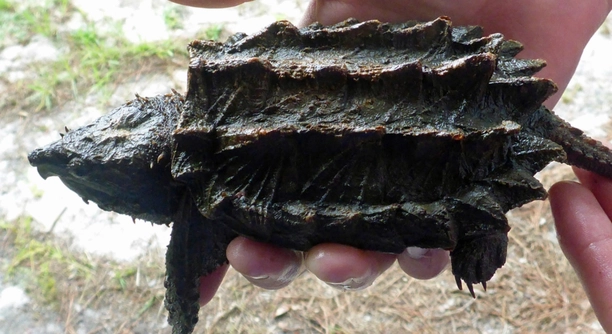
Introducing a new alligator snapping turtle to an existing tank can seem tricky. It’s important to create a smooth transition for both the new and existing residents. Proper integration ensures a healthy and harmonious tank environment for all creatures.
To successfully introduce a new alligator snapping turtle, prepare the tank by ensuring sufficient space and hiding spots for all turtles. Monitor water quality, temperature, and lighting to avoid stress, and introduce the new turtle gradually.
Taking these simple steps will help maintain balance in your aquarium while keeping your turtles comfortable and stress-free.
Preparing Your Tank for a New Alligator Snapping Turtle
Before introducing a new alligator snapping turtle, ensure your tank is properly set up. Start by confirming that the tank has enough space to accommodate both the new and existing turtles. Alligator snapping turtles are large, and they need plenty of room to move around. Adding hiding spots, such as caves or submerged logs, helps the turtles feel secure, minimizing stress. The water quality is also vital for their well-being. Regularly test for ammonia, nitrate, and nitrite levels, ensuring they fall within safe ranges. Proper filtration will help maintain clean water. Additionally, check the temperature. Alligator snapping turtles prefer a water temperature between 72°F and 78°F. The lighting is also a key factor; use UVB lighting to replicate natural sunlight, ensuring that both turtles remain healthy.
A well-prepared tank reduces stress and encourages a smooth transition for your new turtle. Make sure to also adjust the water’s pH to the correct level.
Proper tank conditions are crucial for successful introductions. Keeping your water clean, filtered, and correctly heated will prevent many potential problems, making your tank environment safe and comfortable. Regular maintenance is essential for keeping the tank healthy long-term.
Gradual Introduction to the Tank
When introducing a new turtle, it’s important not to rush the process. A gradual approach allows both turtles to adjust without feeling threatened.
Start by placing the new turtle in a separate area of the tank, such as a small enclosure within the main tank, for a few days. This gives them time to acclimate to the new environment without direct contact with the resident turtle. During this period, both turtles can observe each other safely. After a few days, let them have brief, supervised interactions. Keep an eye on them to prevent any signs of aggression. The goal is for them to get used to each other’s presence without being forced into direct interaction.
This method helps avoid stress and reduces the chance of territorial disputes. Once they seem comfortable with one another’s presence, you can allow the new turtle to roam freely within the tank.
Monitoring Tank Conditions
Once your new turtle is in the tank, closely monitor the water conditions. Regular testing of the water’s temperature, pH, and cleanliness is essential. Any changes in these parameters could stress both the new and existing turtles. Keeping the tank stable ensures a comfortable environment for everyone.
You should also watch for any signs of stress in both turtles. Monitor their behavior to see if they’re eating, swimming, and interacting as they should. If the new turtle is hiding frequently or showing signs of aggression, it might indicate that the tank conditions aren’t quite right yet.
Water changes should be done regularly, but be cautious of doing too much at once. A complete water change can disrupt the tank’s balance, causing unnecessary stress. Stick to smaller, more frequent water changes to maintain healthy conditions.
Feeding Strategies
Feeding time can be tricky when you have multiple turtles in one tank. When introducing a new alligator snapping turtle, make sure to separate feeding areas. This ensures that both turtles get the proper amount of food and helps prevent territorial disputes over food.
It’s important to offer varied food options to both turtles, such as fish, shrimp, and vegetables. While alligator snapping turtles are primarily carnivorous, a balanced diet that includes both protein and plant matter promotes overall health. You can even try offering food at different times to make sure they both have access without competition.
This strategy helps prevent food aggression and gives each turtle the chance to eat in a stress-free environment. It’s a good way to foster harmony and reduce any tension between the new and existing turtles.
Watch for Signs of Aggression
Aggression between turtles can happen, especially during the introduction phase. Keep an eye on how the turtles behave around each other. If you notice biting, chasing, or excessive territorial behavior, you may need to intervene. Immediate action prevents injuries.
If aggression persists, separate the turtles again and try reintroducing them later. It’s important to let them adjust at their own pace. Sometimes it takes several attempts before they can coexist peacefully. Ensure that each turtle has its own space to retreat to if necessary, which can help reduce tension.
Proper Lighting and Heating
Proper lighting and heating are crucial for your turtles’ health. Alligator snapping turtles need UVB lighting to help them metabolize calcium, which supports shell health. Additionally, ensure the water temperature stays between 72°F and 78°F for optimal comfort and activity.
UVB lights should be placed above the tank, allowing your turtles to bask and absorb the necessary rays. A heat lamp is also important for maintaining a warm environment. Keep the lamp positioned over the basking area to give your turtles a comfortable spot to warm up when needed. Regularly check the temperature to ensure it remains stable.
Tank Size and Space
Tank size plays a big role in a successful introduction. Alligator snapping turtles need plenty of room to move around, especially when sharing the space with another turtle. A large tank reduces stress and gives each turtle its own territory.
Consider a tank that’s at least 100 gallons to ensure both turtles have enough space to swim, hide, and explore. If the tank is too small, it can lead to territorial disputes and stress, making integration more difficult. A well-spaced tank allows for a smoother and more peaceful environment for all the turtles involved.
FAQ
How long does it take for a new alligator snapping turtle to adjust to an existing tank?
The adjustment period can vary depending on the individual turtles and the tank setup. Generally, it takes a few days to a week for a new alligator snapping turtle to get used to its new environment and the other turtle. The gradual introduction method helps reduce stress. If the turtles seem stressed or aggressive after a week, it may be necessary to reevaluate tank conditions or separation.
Should I be worried if my new turtle isn’t eating right away?
It’s not uncommon for a new turtle to be hesitant about eating right away. The stress of a new environment or tank mates can cause a temporary loss of appetite. Give it some time and make sure the tank conditions are ideal. If the turtle continues to refuse food for more than a week, check the water temperature, water quality, and lighting, as these factors can affect their appetite. Consult a vet if the problem persists.
Can I keep different species of turtles together in the same tank?
Alligator snapping turtles are large and territorial, which means they may not always get along with other species, especially if the tank is too small. It’s best to keep them with other turtles of similar size and temperament. However, if you do introduce a different species, ensure the tank is large enough to provide separate spaces for both turtles to avoid aggression. Monitor closely for signs of conflict.
What should I do if the turtles are fighting?
If the turtles are fighting, separate them immediately. Fighting can lead to serious injuries, especially with larger species like the alligator snapping turtle. After separation, check the tank for potential stressors, such as overcrowding or inadequate hiding spaces. Reintroduce the turtles gradually and consider separating them completely if the aggression persists. It’s important to avoid forcing them to interact until they’ve had enough time to adjust.
How often should I clean the tank when introducing a new turtle?
Keeping the tank clean is essential, especially when introducing a new turtle. Perform a partial water change at least once a week, and clean the filter regularly to ensure water quality. Be careful not to change too much water at once, as it can disrupt the tank’s ecosystem and cause stress. If you notice that the water becomes dirty more quickly after introducing a new turtle, you may need to adjust the filtration system to accommodate the extra waste.
Do I need to provide specific hiding spots for the turtles?
Yes, all turtles, including alligator snapping turtles, need hiding spots. These provide them with a sense of security and reduce stress. Ensure the tank has enough hiding spots for both turtles, especially if one turtle is larger or more dominant. You can use caves, submerged logs, or plants to create private areas where each turtle can retreat when needed.
What should I feed my new alligator snapping turtle?
Alligator snapping turtles are primarily carnivorous. They eat fish, shrimp, and other small aquatic creatures, but they can also eat some plant matter like leafy greens. Ensure their diet is varied and balanced to promote health. When introducing a new turtle, you may need to separate feeding times or areas to prevent competition and ensure each turtle gets enough food. Over time, you can adjust the feeding routine to suit the preferences and needs of both turtles.
Can alligator snapping turtles coexist with fish?
Alligator snapping turtles are carnivores and may try to catch and eat fish in their tank, especially if they’re small. Larger fish might survive with a snapping turtle, but it’s essential to keep an eye on the interactions. Fish that are fast swimmers or larger than the turtle may have a better chance of avoiding predation. If you plan to keep fish with a snapping turtle, choose species that are less likely to be seen as food, and always monitor their behavior.
How can I tell if my turtle is stressed?
Signs of stress in turtles include hiding excessively, not eating, swimming erratically, or showing aggression. If your new turtle is acting unusually shy or seems to be avoiding other tank mates, it may be experiencing stress. Stress can result from poor water quality, improper temperature, overcrowding, or a lack of hiding spots. Address any potential stressors and give your turtles some time to adjust.
What temperature should the tank be for alligator snapping turtles?
Alligator snapping turtles thrive in water temperatures between 72°F and 78°F. Keeping the water within this range ensures the turtles are comfortable and can maintain normal activity levels. Temperatures that are too high or too low can cause stress and lead to health problems. Use a reliable water heater to maintain consistent temperature levels and monitor the water regularly.
Final Thoughts
Introducing a new alligator snapping turtle to an existing tank requires patience, preparation, and careful attention to detail. The process can be smooth if you take the time to set up the tank properly, monitor the turtles closely, and adjust as needed. Ensuring that the tank is spacious enough, with appropriate lighting, heating, and hiding spots, can help create a comfortable environment for all turtles involved. Gradual introductions are key to reducing stress and avoiding aggression. By following these steps, you can increase the chances of a successful integration.
While aggression can sometimes occur, it is important to remember that it is part of the natural process of establishing territory. Keeping a close eye on the turtles’ behavior and being ready to intervene if necessary will help prevent injuries and allow them to adapt to each other over time. Stress, in particular, is something to watch for, as it can affect their health and appetite. Maintaining clean water and the right temperature is essential to keep the turtles in optimal condition. Addressing any issues quickly ensures they remain healthy and can coexist peacefully in the same tank.
Ultimately, introducing a new alligator snapping turtle requires a balance of patience and proactive care. Every turtle is different, and some may take longer to adjust than others. Being prepared for setbacks and willing to make adjustments will help ensure the well-being of all turtles involved. With time, the turtles may learn to share their space and coexist without aggression. Following the right steps, understanding their needs, and creating a suitable environment can help achieve a peaceful and healthy tank for your alligator snapping turtles.

Hello,
If you enjoy the content that we create, please consider saying a "Thank You!" by leaving a tip.
Every little bit helps us continue crafting quality advice that supports the health, happiness, and well-being of pets around the world, for pets of all shapes, sizes, and species.
We really appreciate the kindness and support that you show us!