
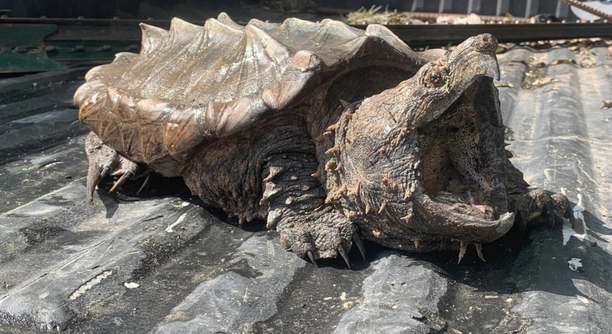
Alligator snapping turtles are fascinating creatures with distinct behaviors. One behavior that often catches the attention of turtle owners is their tendency to burrow. Understanding why they do this can help you care for them better.
The main reason your alligator snapping turtle burrows is for protection and comfort. These turtles instinctively seek shelter to feel secure, especially in unfamiliar environments. Burrowing also helps regulate their body temperature and conserve energy, particularly in captivity.
Knowing this behavior helps you create a more comfortable environment for your turtle. Understanding their needs will ensure a healthy, thriving pet.
Why Do Alligator Snapping Turtles Burrow?
Alligator snapping turtles are instinctively drawn to burrowing for various reasons. In the wild, they often bury themselves to hide from predators, providing a sense of security. Captive turtles may also burrow to mimic their natural habitat and feel more comfortable. The process of burrowing is crucial for them to regulate their body temperature. This behavior is especially common when the weather changes or when they feel threatened. By burrowing, they can control their environment and make it easier to rest without constantly being alert.
Burrowing also helps alligator snapping turtles conserve energy. By digging into the substrate, they can reduce the amount of movement needed to find food or stay safe. It allows them to remain in one spot without having to expend excessive energy. This instinctual behavior aids in their overall well-being.
Understanding this natural behavior helps ensure your turtle’s health. Creating a suitable habitat with enough space for burrowing can improve their quality of life and reduce stress. This will also allow your turtle to engage in behaviors that come naturally, helping them thrive.
How to Create a Comfortable Environment for Your Turtle
To encourage burrowing, ensure your turtle’s habitat has an adequate substrate depth. The material should be soft but firm enough to support digging. Adding a mix of sand and soil can mimic the conditions found in their natural environment, offering comfort and security.
If your turtle is in an aquarium or tank, provide plenty of space to move and burrow. A larger tank gives them room to explore and feel less confined. The water quality should also be consistently maintained, as poor water can lead to stress or illness. Adding rocks and logs will give your turtle additional hiding spots.
By maintaining these conditions, you create a secure, comfortable space that allows your turtle to express natural behaviors like burrowing. Regular tank maintenance, such as cleaning the substrate and checking the water, will ensure they feel safe and comfortable. This setup will help your turtle stay healthy and active.
How to Encourage Burrowing Behavior
If your turtle is not burrowing as expected, adjust their environment. Ensure the substrate is deep enough for them to dig into. The material should be soft but sturdy to allow natural digging. A mixture of sand, soil, and moss can help replicate natural conditions.
Adding plants or rocks can also encourage burrowing. These items provide hiding spots and simulate a more complex environment. Keeping the temperature and humidity levels consistent will also make the environment more inviting. If these elements are right, your turtle will feel comfortable enough to dig and rest.
Ensure you’re offering a variety of textures in the tank to encourage natural behaviors. Allowing your turtle to move and burrow in different materials will support their mental and physical health. Pay attention to the water’s quality and cleanliness. A clean, safe environment encourages more natural activity, including burrowing.
How to Monitor Your Turtle’s Health During Burrowing
Burrowing can sometimes cause minor injuries, especially if the substrate is too rough or the tank has sharp objects. Regularly check your turtle for scratches or signs of infection. Pay attention to any changes in behavior, such as excessive burrowing or lethargy.
If your turtle burrows too frequently, it may be a sign of stress. Factors like sudden temperature changes, overcrowding, or poor water quality can contribute to these behaviors. Adjusting their environment can reduce this stress. If necessary, consult a veterinarian to ensure your turtle’s well-being.
Monitor the condition of the tank regularly. Clean the substrate to remove waste that may contribute to bacterial growth. Check the water temperature and filtration system to ensure the habitat remains healthy. This will help your turtle feel comfortable and reduce unnecessary stress during burrowing.
Signs of a Happy Alligator Snapping Turtle
A happy alligator snapping turtle will exhibit natural behaviors like burrowing, swimming actively, and eating regularly. Healthy turtles are curious and explore their environment, showing comfort and contentment. If your turtle appears alert and responsive, it’s likely feeling secure in its habitat.
Another sign of happiness is when the turtle maintains a steady routine. Consistent eating habits and regular basking are indicators of well-being. Healthy activity levels, like digging and exploring, suggest your turtle is comfortable and thriving in its environment.
Temperature and Humidity Control
Temperature and humidity are crucial to your turtle’s health and burrowing behavior. Ensure the tank maintains a consistent temperature between 75-85°F. A temperature gradient within the tank helps the turtle regulate its body temperature. Humidity levels should stay between 60-80% for optimal comfort.
A properly heated basking area is essential. It allows your turtle to warm up and digest food more effectively. If the tank gets too cold or too dry, your turtle may become stressed and stop burrowing. Proper control of these factors supports both health and natural behavior.
Potential Issues with Burrowing
Excessive or shallow burrowing may signal underlying problems. Your turtle might be stressed or uncomfortable if it digs constantly or too deeply. This could indicate temperature issues, inadequate space, or poor water quality. Addressing these problems promptly ensures a better environment for your turtle to thrive.
FAQ
Why does my alligator snapping turtle burrow?
Alligator snapping turtles burrow instinctively to feel secure, regulate their body temperature, and avoid predators. In the wild, burrowing is a survival mechanism, and in captivity, it helps them mimic their natural environment. It’s a behavior that provides comfort and stability, allowing them to rest without constant alertness.
Is it normal for my turtle to burrow all the time?
If your turtle is burrowing constantly, it may be a sign of stress or discomfort. Ensure the tank has a proper temperature gradient, humidity levels, and sufficient space. Stress can cause excessive burrowing as your turtle tries to find a secure spot. Addressing environmental factors can help alleviate this behavior.
How deep should the substrate be for burrowing?
The substrate should be at least 4-6 inches deep to allow your turtle to dig comfortably. A combination of sand and soil is ideal for mimicking their natural environment. The depth allows the turtle to burrow and feel secure without hitting the tank’s bottom.
Can burrowing affect my turtle’s health?
Burrowing, when done in a proper environment, does not negatively affect your turtle’s health. However, if the substrate is too rough or contains harmful materials, it could cause injuries. Ensure the tank is clean, and the substrate is soft enough for digging without causing harm.
How often should I clean my turtle’s burrow?
The burrow should be cleaned regularly to maintain a healthy habitat. Remove waste, uneaten food, and debris from the substrate at least once a week. This will prevent bacteria buildup and ensure your turtle’s environment remains hygienic.
Should I add hiding spots or caves to the tank?
Yes, hiding spots are essential. Adding rocks, logs, or caves allows your turtle to feel secure and provides additional places for burrowing. This mimics their natural habitat and offers a space for your turtle to retreat when it feels threatened or needs rest.
What should I do if my turtle stops burrowing?
If your turtle stops burrowing, it could be a sign of environmental issues. Check the water temperature, humidity levels, and tank cleanliness. Stress, poor tank conditions, or health problems might be preventing your turtle from engaging in natural behaviors. If unsure, consult a veterinarian.
How can I tell if my turtle is stressed?
Stress in a turtle can manifest through behaviors such as excessive hiding, lethargy, loss of appetite, or aggression. If your turtle isn’t burrowing as usual, it might be stressed. Ensure the environment is conducive to comfort, with proper temperature, humidity, and space for movement.
Is my turtle too old to burrow?
Alligator snapping turtles continue to burrow throughout their lives. However, older turtles might burrow less frequently due to reduced activity levels or changes in metabolism. If the turtle is still active and healthy, burrowing should not cease completely, but it may occur less often.
Can I use any type of substrate for burrowing?
Not all substrates are suitable for burrowing. Avoid using gravel, sharp objects, or materials that may cause injury. A mixture of sand, soil, and moss is ideal for creating a safe, comfortable environment for burrowing. This combination allows your turtle to dig easily while preventing harm.
Does burrowing help my turtle regulate its temperature?
Yes, burrowing helps your turtle regulate its body temperature. By digging into the substrate, the turtle can access cooler or warmer areas, depending on its needs. This behavior is essential for maintaining proper metabolic function and comfort, especially in fluctuating temperatures.
How can I encourage my turtle to burrow?
To encourage burrowing, provide a deep, soft substrate that mimics natural conditions. Ensure the tank is large enough for your turtle to move around and burrow comfortably. Regularly clean the tank, maintain water quality, and keep the temperature stable to create an environment conducive to burrowing.
Can burrowing affect my turtle’s appetite?
If the environment is too stressful or uncomfortable, it could affect your turtle’s appetite. Stress can lead to a loss of interest in food, but burrowing itself does not directly impact eating. Check the water quality, temperature, and substrate to ensure the environment isn’t causing stress.
Should I worry if my turtle burrows during the day?
Burrowing during the day is normal, especially for a turtle that feels secure in its environment. Turtles are naturally crepuscular, meaning they are most active during dawn and dusk, but they may burrow during the day to escape heat or avoid disturbances. If the behavior continues without other signs of stress, it’s likely fine.
How do I know if my turtle is comfortable with its burrowing space?
A comfortable turtle will burrow at its own pace and settle in its chosen spot. If your turtle spends a significant amount of time in its burrow and emerges only for feeding or swimming, it likely feels secure. If it frequently exits and moves to different locations, it may be searching for a more suitable environment.
Final Thoughts
Understanding why your alligator snapping turtle burrows is key to providing it with a healthy and comfortable environment. Burrowing is a natural behavior, rooted in their instincts to seek safety, regulate temperature, and feel secure. It’s important to remember that this behavior is not something to worry about, as long as your turtle is healthy and the tank conditions are optimal. A turtle that burrows regularly is simply engaging in behavior that mirrors its wild counterparts, helping it feel safe and at ease.
Creating the right environment for your turtle to thrive involves offering the proper substrate, maintaining the right temperature and humidity, and ensuring the tank is spacious enough to accommodate their natural behaviors. The depth of the substrate and the addition of hiding spots are simple changes that can have a big impact on your turtle’s well-being. If the tank is not set up correctly, your turtle may become stressed, leading to excessive or unproductive burrowing. Keeping the tank clean, checking for water quality, and monitoring the overall environment are essential steps to maintaining your turtle’s comfort.
If your turtle shows signs of stress or stops burrowing altogether, it’s important to address potential environmental issues. This could involve adjusting the tank’s temperature, humidity levels, or the layout of the tank to provide a better atmosphere. Regular checks for health issues are also important. Burrowing is a sign of a content and secure turtle, so paying attention to these behaviors will help you provide the best possible care.

Hello,
If you enjoy the content that we create, please consider saying a "Thank You!" by leaving a tip.
Every little bit helps us continue crafting quality advice that supports the health, happiness, and well-being of pets around the world, for pets of all shapes, sizes, and species.
We really appreciate the kindness and support that you show us!