
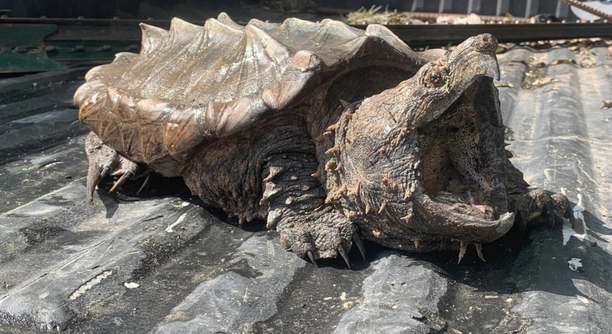
Alligator snapping turtles are fascinating creatures, and it can be curious to watch them interact with their environment. If you notice your turtle rubbing its face on rocks, you’re likely wondering what this behavior means.
This behavior is typically a form of self-maintenance. The rubbing can help remove debris or dead skin from their face and neck area. It may also aid in stretching or cleaning sensitive spots on their shell or skin.
Understanding why your alligator snapping turtle engages in this activity can help ensure its well-being. There are several possible reasons behind this behavior, and it’s important to recognize them to keep your turtle healthy and happy.
Why Do Alligator Snapping Turtles Rub Their Faces on Rocks?
Alligator snapping turtles may rub their faces on rocks for a variety of reasons. One reason could be that they’re cleaning themselves. Rocks and other rough surfaces are useful for helping them scrape off algae, debris, or dead skin that builds up on their face and neck. It’s a natural way for them to keep their skin in good condition. Another reason could be to stretch out muscles around their head or neck area. These turtles have powerful jaws, and this movement might help loosen up any tight muscles. Rubbing against rocks may also be an instinctive action that provides sensory stimulation, which can help the turtle stay alert in its environment.
Turtles are naturally adapted to their surroundings, and rubbing their faces on rocks can be part of their normal behavior.
Sometimes, this action is simply about comfort. Your alligator snapping turtle could be trying to alleviate irritation or just relaxing by rubbing its face in a way that feels natural to them.
Is It Safe for My Turtle to Rub Its Face?
While this behavior is typically harmless, there are times when you may need to pay attention. If the rubbing becomes excessive or appears to be causing injury, it’s important to check for signs of infection or damage to the skin. Alligator snapping turtles are tough, but their skin is still sensitive, and overexposure to rough surfaces may lead to abrasions or irritation.
Monitoring your turtle’s environment is also important to ensure they aren’t rubbing their faces on anything harmful, like sharp rocks or other objects that could cause injury. If the behavior seems excessive or the turtle shows signs of distress, a visit to a vet can rule out any underlying health issues.
In some cases, if the turtle’s habitat is too dirty or overcrowded, it could cause the turtle to engage in this behavior more often as a form of cleaning itself. By ensuring the environment is well-maintained, you can help prevent unnecessary rubbing and keep your turtle comfortable and healthy.
Natural Behavior or Health Concern?
Rubbing their face on rocks is usually normal behavior for an alligator snapping turtle. However, it’s important to observe if this action seems excessive. If the turtle is rubbing its face frequently, it could be a sign of irritation or discomfort.
If the turtle’s rubbing behavior becomes repetitive or looks like it is causing distress, it’s essential to check for any signs of injury or infection. An alligator snapping turtle’s skin can be sensitive, and rough contact with rocks can lead to abrasions. Watch for redness, swelling, or any discharge from the area. If these symptoms appear, it might indicate that the turtle’s skin is irritated or infected. Additionally, check if there are other signs of discomfort, such as lethargy, loss of appetite, or changes in behavior.
A common cause for excessive rubbing is poor water quality. If the water in the turtle’s tank is not clean, the turtle may try to rub its face as a way to relieve irritation. Regular water changes and proper filtration can help maintain a healthier environment. If the water has high levels of bacteria or algae, this could lead to skin problems, which might cause the turtle to rub its face more often.
Environmental Factors
The environment where your turtle lives plays a large role in its behavior. If the tank is overcrowded, your turtle might rub its face on rocks more often due to stress or a lack of space. This behavior can also be linked to the type of substrate in the tank. Alligator snapping turtles prefer to move around on surfaces that mimic their natural environment, such as rough or gravel-like materials. If the rocks in the tank are too smooth, your turtle might not be able to express its natural behavior as easily.
Turtles thrive in habitats that allow them to use different surfaces for scratching and rubbing. You can also provide extra rocks, logs, or other objects to make the turtle feel more secure and comfortable. The key is to ensure that the environment offers a balance of stimulation and relaxation.
Signs of Skin Issues
If your alligator snapping turtle rubs its face too much, check for skin issues. Watch for redness, swelling, or lesions on the face and neck. These could be signs of infection, abrasions, or irritation caused by rough surfaces.
Turtles may also rub their faces if they have parasites or fungal infections. These issues can cause discomfort and make the turtle rub its face to try to relieve the irritation. If you notice any unusual spots or a change in behavior, it’s best to get a vet’s opinion. Early treatment can prevent more severe health problems.
Tank Maintenance
Regular tank maintenance plays a big role in your turtle’s behavior. Keeping the water clean and ensuring the tank is free from harmful bacteria can help prevent face rubbing caused by irritation. A proper filtration system can reduce the risk of skin issues.
The water temperature should be appropriate as well. If the water is too cold or too warm, it can stress your turtle and increase the chances of abnormal behavior, including excessive rubbing. Be sure to check water quality regularly to ensure it’s in optimal condition for your turtle’s health.
Monitoring Feeding Habits
Feeding habits can also affect your turtle’s behavior. A poorly balanced diet may cause skin problems or discomfort, leading to rubbing. Make sure your turtle is eating a variety of foods, including protein-rich options like fish, worms, and occasional leafy greens. A well-rounded diet supports skin health.
FAQ
Why does my alligator snapping turtle rub its face on rocks?
Alligator snapping turtles often rub their faces on rocks as a natural behavior. It can help them remove debris or dead skin from their face and neck. The rough surfaces also allow them to stretch muscles around their jaws and neck. It may be a way to keep clean, or even just a comforting action. This rubbing is usually harmless unless it becomes excessive or leads to injury.
Is face rubbing a sign of an injury?
If the turtle’s rubbing is excessive or if you notice signs like redness, swelling, or discharge, it may indicate an injury. The rough texture of rocks can sometimes cause abrasions or irritation on the skin, especially if the turtle rubs its face too frequently. Check the turtle for any physical damage that could be causing the behavior. If you spot anything unusual, it’s important to monitor it closely and consult with a vet if needed.
How can I tell if my turtle’s rubbing is related to health problems?
If your turtle rubs its face more often than usual and shows symptoms like lethargy, changes in appetite, or visible lesions, it could indicate a health issue. Bacterial or fungal infections can cause discomfort, prompting the turtle to rub its face. Infections or parasites can also lead to skin irritation. Any abnormal behavior should be addressed by a veterinarian to rule out underlying health conditions.
Can water quality affect my turtle’s rubbing behavior?
Yes, poor water quality can lead to skin irritation or infections, which might cause your turtle to rub its face more frequently. Dirty water with high levels of bacteria or algae can irritate the turtle’s sensitive skin. Regular water changes and proper filtration help ensure the tank environment stays healthy and free from harmful microorganisms. Keeping the water clean can reduce rubbing behavior caused by discomfort or irritation.
Does the tank setup matter in my turtle rubbing its face?
Yes, the setup of the tank can influence this behavior. If the tank has rough surfaces like rocks or logs, your turtle may use them to rub its face, which is normal. However, if the tank is too small, overcrowded, or the objects inside are not appropriate for rubbing, it can lead to stress. Providing enough space and a variety of surfaces helps your turtle feel comfortable and may reduce unnecessary rubbing.
How often should I clean my alligator snapping turtle’s tank?
The tank should be cleaned at least once a week to keep the water quality high. Regular water changes and filter cleaning are important to prevent bacteria and algae buildup. If the turtle spends a lot of time in the same spot, you might need to clean specific areas more frequently. Ensuring that the tank remains clean will help avoid irritation that could cause face rubbing.
Could temperature fluctuations cause face rubbing?
Yes, temperature fluctuations can cause stress, leading to abnormal behavior like excessive rubbing. Alligator snapping turtles are sensitive to water temperature, and if it’s too hot or too cold, it can make them feel uncomfortable. Maintaining a consistent water temperature in the range of 75–80°F (24–27°C) is ideal for their well-being. Sudden temperature changes should be avoided to prevent stress and skin issues.
What should I do if my turtle seems to be rubbing excessively?
If your turtle rubs its face excessively, it’s important to assess the environment. Start by checking the water quality, tank size, and available surfaces. Ensure the tank is clean and that the water temperature is appropriate. If the behavior continues, or if you notice any signs of infection or injury, it’s best to take your turtle to a vet for further examination.
Can diet affect face rubbing in my turtle?
Yes, a poor diet can affect your turtle’s skin health. If your turtle isn’t getting a balanced diet, it may experience skin issues, which could lead to face rubbing. Make sure your turtle is eating a variety of foods, including protein, vitamins, and minerals. Leafy greens and occasional fish or worms can provide the nutrients necessary for healthy skin and overall well-being.
Are there any long-term effects of rubbing on rocks?
If your turtle rubs its face on rocks too frequently, it could lead to long-term skin damage, such as abrasions, infections, or excessive dryness. It’s important to ensure that the rubbing is not causing harm to your turtle. Keeping the tank clean, providing appropriate surfaces for natural behavior, and addressing any signs of irritation early on can prevent long-term issues.
Final Thoughts
Rubbing their face on rocks is a common and natural behavior for alligator snapping turtles. It can be a way for them to keep clean, remove dead skin, or stretch muscles around their neck and jaws. This action is generally harmless, but it’s important to keep an eye on your turtle to make sure it isn’t caused by an underlying health problem. While it’s part of their normal behavior, excessive rubbing or any signs of irritation should be addressed quickly to avoid further issues.
If your turtle is rubbing its face often, first check the tank conditions. Ensure the water is clean, the temperature is stable, and there’s enough space for your turtle to move around comfortably. Poor water quality can lead to skin irritation or infection, which might cause excessive rubbing. Maintaining a clean and healthy tank environment is crucial for your turtle’s well-being and can help prevent discomfort that leads to face rubbing. Also, be sure the tank has surfaces that allow your turtle to express its natural behavior without causing harm to its skin.
Lastly, if you notice signs of injury or infection, it’s important to get your turtle checked by a vet. Skin problems, including abrasions or infections, can worsen if left untreated. Early intervention can prevent further damage and help your turtle stay healthy. Keeping your alligator snapping turtle’s environment clean, offering a balanced diet, and providing a comfortable space to move around will go a long way in ensuring that it doesn’t rub its face excessively due to stress or discomfort.

Hello,
If you enjoy the content that we create, please consider saying a "Thank You!" by leaving a tip.
Every little bit helps us continue crafting quality advice that supports the health, happiness, and well-being of pets around the world, for pets of all shapes, sizes, and species.
We really appreciate the kindness and support that you show us!