
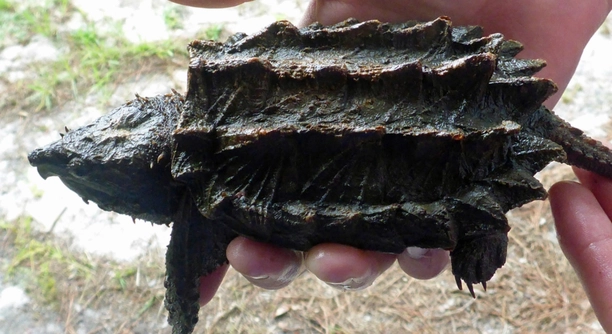
Creating a comfortable environment for your alligator snapping turtle is essential for its well-being. One key factor in providing the best care is offering suitable hiding spots. These spots help your turtle feel secure and reduce stress.
The best hiding spots for an alligator snapping turtle include natural elements like rocks, logs, and plants, as well as tank decorations specifically designed to mimic the turtle’s natural habitat. These spots create a more enriching environment.
These hiding spots not only serve as safe places but also enhance the overall tank design. Keep reading to discover the best options for your turtle’s home.
Rocks and Stones for Natural Hiding Spots
Rocks and stones are perfect for creating hiding spots in your alligator snapping turtle tank. These natural elements mimic the turtle’s environment in the wild, providing a more comfortable, secure space. By placing smooth, flat rocks or large stones at the bottom of the tank, you can easily build caves or overhangs for the turtle to crawl under. These hiding places help your turtle feel less exposed, which is crucial since snapping turtles often prefer to hide for safety and comfort.
Adding rocks also contributes to the overall aesthetic of the tank, giving it a more natural look. When choosing rocks, make sure they are large enough that they won’t tip over easily or be moved by your turtle. Avoid sharp edges that could harm your turtle. Additionally, rocks allow your turtle to climb, giving it a bit of exercise and stimulation, which benefits its health.
Overall, rocks and stones are an affordable and practical solution to providing hiding spots. They blend well with other tank elements and require little maintenance. If placed properly, they can last for a long time without needing much care.
Plants for Hiding and Enrichment
Live or artificial plants offer another great hiding spot option. They provide cover while also adding to the tank’s beauty.
Incorporating plants into your turtle’s habitat not only offers hiding spots but also mimics its natural environment, creating a more enriching space. Live plants, such as Anubias or Java Fern, can be anchored to rocks or driftwood, giving your turtle plenty of places to hide. These plants also offer extra benefits, like improved water quality. They naturally absorb some of the excess nutrients in the water, helping to maintain a healthier tank environment. While some turtles may nibble on plants, most won’t disturb them too much, allowing for a more balanced ecosystem within the tank.
If you prefer low-maintenance options, artificial plants are also an excellent choice. They still provide the coverage and hiding spots needed without the upkeep required for live plants. Make sure to secure them well, so they don’t float around the tank or get moved by your turtle.
Driftwood for a Natural Shelter
Driftwood is another great hiding spot for your alligator snapping turtle. It not only creates a natural refuge but also offers some interesting textures and places for your turtle to explore. When placing driftwood in the tank, make sure it is large enough to allow your turtle to crawl underneath and find cover.
Driftwood provides a more elevated hiding spot compared to rocks. Its unique shape allows turtles to burrow into cracks or hide behind large pieces, offering a sense of safety. You can also place plants or moss around the driftwood, enhancing its appeal while providing even more hiding areas. Be cautious about sharp edges, as they can potentially harm your turtle.
Adding driftwood also encourages natural behaviors. Your turtle will likely climb over the driftwood or hide under it, mimicking its behavior in the wild. This type of shelter helps reduce stress and supports your turtle’s well-being.
Commercial Hiding Spots and Caves
Pre-made caves and hiding spots are a simple solution to your snapping turtle’s needs. These are designed to mimic natural hiding areas and can easily be placed in your tank. They are also often made from durable, non-toxic materials that are safe for your turtle.
Commercial hiding spots come in various sizes and shapes, so you can choose one that fits your tank perfectly. Some caves even include textured surfaces, which allow your turtle to feel more secure, similar to the rock and log shelters found in their natural habitats. These caves often have small entrances, making it easier for your turtle to enter and exit while feeling safe inside.
Many pre-made hiding spots are designed to blend with the tank’s natural look. They can be placed anywhere in the tank, giving you flexibility in terms of decoration. With these hides, your turtle doesn’t have to rely solely on natural elements.
PVC Pipes for Hiding
PVC pipes are an affordable and easy-to-use option for providing hiding spots in your turtle tank. Simply cut the pipe to a desired length and place it on the tank floor. The smooth surface of PVC is safe and easy to clean.
PVC pipes can be placed either vertically or horizontally, depending on the available space in your tank. They’re sturdy and won’t tip over easily, providing a consistent hideaway for your turtle. Since the pipe is smooth, it’s easy to keep clean and free from debris, which helps maintain good water quality.
Coconut Shells for a Tropical Touch
Coconut shells can also make an excellent hiding spot. They mimic natural shelters found in the wild, offering your turtle a secure place to retreat.
Coconut shells can be used as natural, half-shell hiding spots or attached to the tank for more stability. They provide an interesting texture that your turtle may enjoy exploring. The shell’s shape also creates a comfortable, dark hiding spot that feels safe and cozy for your turtle. Just make sure to clean the coconut shell thoroughly before placing it in the tank.
FAQ
How many hiding spots should I have for my alligator snapping turtle?
It’s a good idea to provide at least two or three hiding spots for your turtle. This ensures that your turtle has options depending on its mood or where it feels most comfortable. Having multiple hiding spots helps reduce stress by allowing your turtle to retreat when it feels threatened or needs a break. You can mix natural elements, like rocks or driftwood, with pre-made hiding spots to create a more varied environment. A combination of hideaways at different depths and locations in the tank can also encourage your turtle to explore, which is beneficial for its mental stimulation.
Can my alligator snapping turtle use plants as hiding spots?
Yes, plants are a great way to provide additional hiding areas for your turtle. Live plants like Anubias or Java Fern can be anchored to rocks or driftwood, offering places for your turtle to slip under. While plants alone might not provide a fully enclosed hideout, they do help mimic the turtle’s natural habitat, offering a sense of security. Your turtle can hide in the thick foliage, avoiding direct light or feeling exposed. If you use artificial plants, make sure they’re anchored securely so they don’t float or get tangled with other decorations in the tank.
Is it okay to use artificial caves for my turtle?
Artificial caves are perfectly fine for an alligator snapping turtle. These pre-made hiding spots are often made from non-toxic, durable materials that are safe for your turtle. They also provide easy-to-clean options compared to natural materials, which can sometimes be more difficult to maintain. While artificial caves lack the natural look of rocks or driftwood, they can still offer your turtle a secure and comfortable hiding place. Choose one with a small entrance and enough space for your turtle to enter and turn around comfortably. This ensures that your turtle can move freely and feel safe inside the cave.
How do I maintain hiding spots in my turtle tank?
Maintaining hiding spots is fairly simple, but it requires regular cleaning. Rocks and driftwood should be checked for algae buildup or any signs of mold. Scrub them gently with a soft brush during water changes. If you’re using live plants, trim them regularly to prevent overgrowth, which could block your turtle’s access to hiding spots. Commercial caves or PVC pipes should be cleaned by rinsing them with water and a mild, turtle-safe cleaner. Keep an eye on the overall cleanliness of the tank, as any build-up of waste can affect the effectiveness of the hiding spots.
Can I use driftwood and rocks together?
Yes, combining driftwood and rocks in your turtle’s tank is a great idea. It creates a more diverse and natural environment that allows your turtle to explore different hiding spots. Rocks can be placed at the bottom to form caves, while driftwood can provide an elevated shelter or an overhang for additional cover. The combination of these materials offers your turtle both hiding opportunities and stimulation. Just make sure everything is securely placed, as the turtle might try to move or climb on the rocks or driftwood.
Do I need to provide hiding spots in a tank for my turtle?
Yes, hiding spots are essential for your alligator snapping turtle’s well-being. Snapping turtles are naturally shy and often prefer to retreat into safe, secluded spots to rest or sleep. Without hiding spots, your turtle may feel stressed or exposed, which can affect its overall health. Providing these spaces helps reduce stress, encourages natural behavior, and allows your turtle to have a more fulfilling environment. It also helps keep your turtle safe, as hiding spots can be used as protection from perceived threats.
Are there any specific materials I should avoid for hiding spots?
Avoid using materials that could harm your turtle, such as sharp-edged rocks, untreated wood, or anything that could break down and contaminate the water. Materials like plastic or synthetic decorations that are not designed for aquarium use can also be dangerous, as they might leach chemicals into the water. Always choose non-toxic materials that are safe for your turtle to interact with. Smooth stones, untreated wood (properly cleaned), PVC pipes, and commercial hides made for reptiles are all safe options. The key is ensuring that anything in the tank is stable and free from sharp edges that could injure your turtle.
How do I know if my turtle feels safe in its hiding spots?
Your turtle will likely use its hiding spots regularly if it feels comfortable and safe. If your turtle spends a lot of time hidden away, especially during the day when it’s not active, it’s a sign that it appreciates the shelter. If it frequently comes out and explores, that’s a good indication that it’s also feeling secure enough to do so. On the other hand, if you notice signs of stress such as erratic swimming, trying to climb out of the tank, or refusing to use the hiding spots, it may be a sign that the environment needs some changes or improvements.
Can I use a single large hiding spot for my turtle?
While a single large hiding spot might seem like a good idea, it’s better to offer your alligator snapping turtle multiple options. Turtles tend to feel more comfortable when they have choices, as they can select a hiding place based on their needs or mood at the time. A large single hide may limit your turtle’s ability to express its natural behaviors, such as exploring different areas of the tank. Multiple hiding spots, especially ones that offer different levels of cover (e.g., deep spaces vs. partially covered ones), are ideal for promoting a healthy and enriching environment.
When setting up a tank for your alligator snapping turtle, providing suitable hiding spots is an essential part of creating a healthy environment. These turtles are naturally shy and prefer to have safe spaces where they can retreat when they feel stressed or threatened. Without proper hiding areas, your turtle may become anxious, which could lead to health problems. It’s important to consider different types of hiding spots, from natural elements like rocks and driftwood to pre-made caves and PVC pipes. Each of these options offers something unique, whether it’s security, comfort, or mental stimulation.
Choosing the right hiding spots depends on the size of your tank, the age of your turtle, and your personal preferences for tank design. Rocks and driftwood are great natural materials that give the tank a more authentic look while providing the necessary cover. Commercial hides or PVC pipes can be easier to clean and maintain, making them a good choice for many turtle owners. You can mix and match these elements to create a more diverse and enriching space for your turtle. Just make sure each hide is large enough for your turtle to enter and turn around comfortably.
Regular maintenance is key to keeping the hiding spots effective and safe for your turtle. Clean rocks, driftwood, and plants regularly to prevent the buildup of algae or harmful bacteria. If you use artificial decorations, be sure to clean them as well to keep everything in the tank fresh. The goal is to create a stress-free environment where your turtle feels secure and comfortable. By paying attention to the setup and upkeep of your tank’s hiding spots, you’ll be helping your turtle live a happier, healthier life.

Hello,
If you enjoy the content that we create, please consider saying a "Thank You!" by leaving a tip.
Every little bit helps us continue crafting quality advice that supports the health, happiness, and well-being of pets around the world, for pets of all shapes, sizes, and species.
We really appreciate the kindness and support that you show us!