
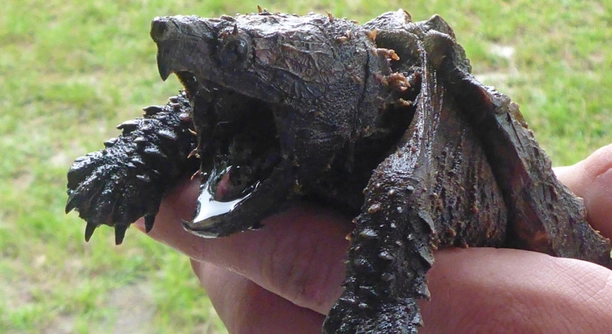
Is your alligator snapping turtle acting sluggish and barely moving? These turtles experience a natural slowdown during colder months, known as brumation. Understanding this process can help you ensure your pet stays safe and healthy throughout this period.
An alligator snapping turtle in brumation will exhibit reduced activity, loss of appetite, and minimal movement. It may burrow into substrate or stay submerged for long periods. These behaviors are normal as the turtle conserves energy in response to seasonal temperature changes.
Observing these changes can be concerning, but they are a natural part of your turtle’s life cycle. Recognizing the signs of brumation will help you provide proper care and avoid unnecessary stress for your pet.
Signs Your Alligator Snapping Turtle Is in Brumation
During brumation, your turtle will become noticeably less active. It may spend more time at the bottom of the tank or burrow into the substrate. Appetite loss is another clear sign, as brumating turtles eat little or nothing for weeks. You might also notice slower breathing and minimal response to stimuli. These changes are not a cause for alarm, as they are part of a natural cycle. However, it is important to monitor your turtle to ensure it is not experiencing health issues. Gradual changes in activity and appetite usually indicate brumation rather than illness.
If your turtle’s behavior has shifted suddenly, check for other symptoms. A sick turtle may display swelling, mucus, or unusual buoyancy in water. If any of these symptoms appear, consulting a vet is the best course of action. Healthy turtles in brumation will show steady but minimal movement and no signs of distress.
Keeping an eye on your turtle’s activity and overall condition can help you determine whether it is brumating or unwell. If everything aligns with normal brumation patterns, there is no need to worry. Providing a safe, stable environment will allow your turtle to go through this phase comfortably and naturally.
How to Care for a Brumating Alligator Snapping Turtle
Brumating turtles require specific conditions to remain healthy. The water temperature should be kept cool but not freezing. A range between 50-60°F is ideal. Avoid drastic temperature changes, as they can stress the turtle. Reduce lighting and limit handling to avoid unnecessary disturbance.
Ensuring proper water quality is essential during brumation. Regularly check the filtration system to prevent ammonia buildup. Since turtles eat less or not at all, waste production decreases, but the water should still be kept clean. A stable environment with adequate oxygen levels will support the turtle’s natural processes. If your turtle is kept outdoors, protect it from extreme cold. Some owners choose to move their turtles indoors to a temperature-controlled area.
If your turtle is not showing interest in food, do not force it to eat. Brumation slows digestion, and forcing food can cause health issues. Keep an eye on its weight and general condition. A healthy turtle will maintain a stable body weight and show no signs of dehydration. Adjusting care to fit your turtle’s needs will ensure a smooth and safe brumation period.
How Long Does Brumation Last?
Brumation length varies depending on temperature and environment. It can last anywhere from a few weeks to several months. Indoor turtles in controlled conditions may have shorter brumation periods, while outdoor turtles exposed to seasonal changes typically remain in brumation for a longer duration.
Some turtles enter a deep state of inactivity, while others may occasionally move around or come up for air. If temperatures remain consistently cool, brumation continues until warmer conditions return. It is important to observe any changes in behavior. If your turtle remains inactive beyond the expected timeframe, check for signs of illness. A slow but steady recovery from brumation is normal. If your turtle struggles to regain energy, a vet visit may be necessary.
Providing a stable environment helps regulate the brumation period. Avoid abrupt changes in temperature, as this can confuse the turtle’s natural cycle. Letting it wake up gradually ensures a smoother transition back to normal activity. If your turtle appears weak or unresponsive after brumation, monitor it closely. A healthy turtle will slowly resume normal behavior, such as eating and swimming, as conditions become favorable.
When to Be Concerned
Some signs may indicate that something is wrong. If your turtle loses significant weight, has swollen eyes, or develops a soft shell, it could be a health issue rather than normal brumation. Labored breathing, excessive mucus, or unusual floating in the water are also signs that should not be ignored.
If you notice any of these symptoms, check the water quality and temperature first. Poor water conditions can lead to respiratory infections or other illnesses. If everything appears normal but your turtle still shows concerning signs, seeking veterinary help is the best option. Early intervention can prevent serious health complications and ensure your turtle recovers properly.
A healthy brumating turtle will remain inactive but responsive if gently touched. If your turtle does not react at all or appears excessively weak, it may need medical attention. Regular monitoring is key to distinguishing between normal brumation and potential health problems.
How to Safely Wake Your Turtle from Brumation
Gradually increasing the water temperature helps your turtle wake up naturally. Raising it by a few degrees each day prevents stress. Avoid sudden changes, as they can shock the turtle’s system. Keeping the environment calm and stable will make the transition smoother.
Once your turtle becomes more active, offer small amounts of food. It may take time for its appetite to return. Fresh, clean water is essential, as hydration plays a key role in recovery. Monitor its behavior to ensure it is adjusting well and showing signs of normal activity.
Preventing Brumation in Captivity
If you prefer to prevent brumation, maintain a consistent temperature between 75-80°F. Warmer conditions keep your turtle active year-round. Providing a stable lighting schedule with a UVB lamp mimics natural daylight, helping regulate its biological functions. Regular feeding and monitoring ensure it stays healthy without entering a brumation state.
Final Thoughts
Observing your turtle’s behavior and making adjustments as needed ensures its well-being. Whether allowing brumation or preventing it, proper care is essential. Keeping a stable environment and monitoring for health issues will help your turtle remain healthy and comfortable throughout the year.
FAQ
Can I wake my turtle from brumation early?
Waking a turtle early is not recommended unless necessary. Brumation is a natural process, and interrupting it can cause stress. If you must wake your turtle, do so gradually by increasing the water temperature and light exposure over several days. Avoid sudden changes, as they can negatively affect its health.
How do I know if my turtle is brumating or sick?
Brumating turtles are inactive but still responsive. They may move slightly or react when touched. Sick turtles, however, often show signs like swollen eyes, mucus, labored breathing, or unusual floating. If your turtle appears weak, loses excessive weight, or shows no response, it may need medical attention.
Should I feed my turtle during brumation?
Turtles in brumation do not need food. Their metabolism slows down, and digestion stops. Offering food can lead to digestive issues if the turtle cannot process it. Instead, ensure clean water is available so the turtle can stay hydrated. Once it wakes up, gradually reintroduce food in small amounts.
How cold is too cold for brumation?
Water temperatures below 50°F can be too cold and may put your turtle at risk. If temperatures drop too low, it could lead to serious health issues or even death. Keeping the water between 50-60°F ensures a safe brumation period without putting unnecessary stress on your turtle’s body.
Can I handle my turtle while it is brumating?
Handling should be minimized during brumation. Disturbing your turtle too often can cause stress and disrupt the natural process. If you need to check on it, do so gently and avoid sudden movements. Monitoring without excessive interaction helps keep the turtle safe and comfortable.
How can I tell if my turtle has died during brumation?
A turtle in deep brumation may appear lifeless but should still respond slightly when touched. Check for signs of breathing by looking for slight movements in the neck or limbs. A foul odor, sunken eyes, or complete rigidity are signs that your turtle may have passed away.
Do all alligator snapping turtles brumate?
Not all alligator snapping turtles enter brumation. Those kept in warm, controlled environments may remain active year-round. However, if temperatures drop naturally, brumation is likely. Some turtles enter a lighter state of dormancy instead of full brumation, depending on their surroundings.
Can brumation be dangerous for my turtle?
Brumation is natural, but risks exist if conditions are not ideal. Poor water quality, extreme cold, or underlying health issues can lead to complications. Monitoring your turtle’s condition and maintaining a stable environment reduces the chances of problems occurring during this period.
How do I prepare my turtle for brumation?
Lowering the temperature gradually helps your turtle adjust. Reduce feeding a few weeks before brumation begins, as turtles should not enter this state with undigested food in their system. Ensure clean water and a safe, quiet environment where your turtle can settle without disturbances.
Will my turtle drink water during brumation?
Turtles may still drink water while brumating. Even though their metabolism slows down, staying hydrated is essential. Providing fresh, clean water at all times ensures your turtle remains healthy throughout brumation. If you notice excessive dehydration, it may need additional care.
What should I do if my turtle won’t wake up after brumation?
If your turtle remains unresponsive despite rising temperatures, check for breathing and any small movements. A healthy turtle will gradually become more active as conditions improve. If there is no sign of activity after several days, seeking veterinary advice is the best course of action.
Final Thoughts
Brumation is a natural process for alligator snapping turtles, and understanding its signs can help you provide proper care. A turtle in brumation will become less active, stop eating, and may remain submerged for long periods. These behaviors are normal as the turtle conserves energy during colder months. If the temperature remains stable and conditions are safe, your turtle will go through this phase without issues. However, it is important to monitor its health and watch for any unusual signs. If your turtle shows symptoms of illness, such as swelling, mucus, or excessive weight loss, veterinary care may be necessary.
Providing a suitable environment is key to a safe brumation period. Keeping water temperatures between 50-60°F, ensuring proper filtration, and reducing disturbances will help your turtle remain comfortable. If you prefer to prevent brumation, maintaining a warmer habitat with consistent lighting and regular feeding will keep your turtle active year-round. While brumation is not dangerous under the right conditions, improper care or extreme cold can cause complications. If you are unsure whether your turtle should brumate, researching its specific needs and consulting a reptile expert can provide guidance. Each turtle is different, and its response to seasonal changes may vary.
Recognizing when brumation ends is just as important as understanding when it begins. As temperatures rise, your turtle will gradually regain energy, start moving more, and show interest in food. Allowing it to wake up at its own pace is the best approach. Rushing the process with sudden temperature changes can cause stress. Once your turtle resumes normal activity, regular feeding and proper tank maintenance will help it stay healthy. Whether you allow brumation or prevent it, ensuring a stable, well-maintained habitat will support your turtle’s overall well-being.

Hello,
If you enjoy the content that we create, please consider saying a "Thank You!" by leaving a tip.
Every little bit helps us continue crafting quality advice that supports the health, happiness, and well-being of pets around the world, for pets of all shapes, sizes, and species.
We really appreciate the kindness and support that you show us!