
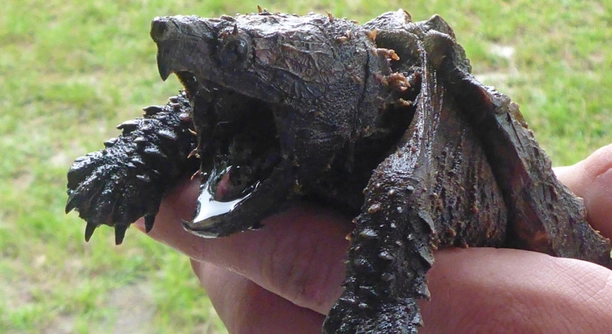
Do you ever find yourself unsure about what to feed your alligator snapping turtle? Providing the wrong diet can lead to serious health issues, affecting their growth and longevity. Ensuring they receive proper nutrition is essential for their well-being.
The most common mistakes when feeding alligator snapping turtles involve improper diet choices, overfeeding, and lack of variety. These errors can result in obesity, vitamin deficiencies, and digestive problems. Understanding these mistakes is crucial to maintaining a healthy and thriving turtle.
Feeding your turtle correctly goes beyond just tossing in food. Certain habits can do more harm than good, leading to long-term consequences. Learning the right approach ensures your turtle stays healthy and active for years to come.
Feeding Too Much at Once
Overfeeding can cause health issues for alligator snapping turtles. They have slow metabolisms and do not require daily feeding. Too much food can lead to obesity, shell deformities, and poor water quality in their tank. It is important to monitor portion sizes to prevent these problems from occurring.
Feeding them too often or giving large portions can stress their digestive system. This can lead to bloating, lethargy, and difficulty swimming. Sticking to a controlled feeding schedule helps maintain their overall health and keeps their enclosure cleaner for longer periods.
A good feeding routine includes offering food every two to three days for adults, while younger turtles may need feeding every other day. A balanced diet consisting of protein, vegetables, and supplements ensures they get the necessary nutrients. Watching their weight and adjusting portions based on their activity level can help keep them in good shape.
Offering the Wrong Foods
Alligator snapping turtles need a diet rich in protein. Feeding them only pellets or plant-based foods does not provide enough nutrition. They require a mix of live prey, fish, and occasional fruits or vegetables to stay healthy. A varied diet mimics what they would eat in the wild.
A diet lacking essential nutrients can weaken their immune system and slow their growth. Relying too much on processed foods can lead to vitamin deficiencies and digestive issues. Feeder fish, insects, and lean meats provide the protein they need, while leafy greens and fruits add important vitamins. Calcium is also necessary for strong shells and bones, which can be supplemented with cuttlebone or calcium powder.
Avoid feeding them high-fat meats, dairy, or processed human food. These can cause serious digestive issues and obesity. Researching proper feeding options ensures they get a well-balanced diet. Choosing fresh, high-quality food will help maintain their health and energy levels.
Ignoring Water Quality
Dirty water can cause serious health issues for alligator snapping turtles. Uneaten food and waste can build up quickly, leading to bacterial growth and poor water conditions. Regular cleaning and a strong filtration system help maintain a safe and healthy environment for your turtle.
A high-quality filter is essential for keeping the water clean. Alligator snapping turtles produce a lot of waste, so using a filter designed for larger tanks helps remove debris and toxins. Water changes should be done weekly, replacing about 25% of the water to keep ammonia and nitrate levels low. Testing water quality regularly ensures the conditions stay within a safe range.
Leaving food in the tank for too long can cause water contamination. Turtles often eat slowly, so removing uneaten food after feeding prevents it from rotting. A separate feeding container can also help keep their main habitat cleaner, reducing the need for frequent deep cleanings.
Not Providing Enough Variety
Feeding the same food every time can lead to nutritional imbalances. Turtles need a mix of proteins, vegetables, and vitamins to stay healthy. A repetitive diet may cause deficiencies, leading to weak bones, sluggish behavior, and poor shell development. Rotating their meals helps them get a full range of nutrients.
Live prey, such as insects, worms, and small fish, should be a regular part of their diet. These provide natural proteins and help keep their instincts sharp. Fresh fruits and vegetables add fiber and essential vitamins. Leafy greens like collard greens and dandelion leaves are excellent choices. Calcium is also crucial for strong shells, which can be added through supplements or natural sources like cuttlebone.
Processed foods should not be the main part of their diet. Pellets are fine in moderation but should be combined with fresh, whole foods. By offering a well-balanced and varied diet, you can ensure your turtle stays active, strong, and healthy for years to come.
Feeding at the Wrong Time
Alligator snapping turtles are more active at night. Feeding them during the day may lead to uneaten food sitting in the tank for hours, causing water contamination. Offering food in the evening aligns with their natural feeding habits and encourages them to eat properly.
Young turtles may adapt to daytime feeding, but adults tend to eat better when fed at night. Observing their behavior can help determine the best feeding schedule. Consistency is important, so feeding them at the same time each day helps regulate their eating patterns and prevents overfeeding.
Using Improper Feeding Methods
Tossing food directly into the tank can lead to messiness and poor water quality. Uneaten food breaks down quickly, releasing harmful bacteria. Hand-feeding with tongs or using a separate feeding container reduces waste and makes cleaning easier while ensuring the turtle eats its meal properly.
Neglecting Hydration
Turtles absorb water through their skin and by drinking from their surroundings. Dehydration can cause sluggish behavior and digestion problems. Keeping their water clean and deep enough for swimming helps maintain proper hydration levels, preventing health issues related to dryness or inadequate moisture intake.
FAQ
How often should I feed my alligator snapping turtle?
Adult alligator snapping turtles typically need feeding every two to three days. Young turtles, on the other hand, require food more often, about every other day. Overfeeding can lead to obesity, so sticking to a routine and adjusting portions based on their activity level is important for their health.
What is the best food for alligator snapping turtles?
A well-balanced diet is crucial. These turtles need a variety of proteins like fish, worms, and insects. They should also have leafy greens such as collard greens, dandelion leaves, and occasional fruits like apples or berries. Supplementing with calcium is important for strong shells and bones.
Can I feed my alligator snapping turtle pellets?
Pellets can be included in their diet, but they should not be the main food. Pellets can lack variety and may not offer the full nutritional value required for a turtle’s health. Use them sparingly alongside fresh foods like fish, insects, and vegetables to provide a balanced diet.
Is it okay to feed my alligator snapping turtle raw meat?
Yes, raw meat is suitable in moderation. You can offer raw fish, chicken, or turkey, but avoid fatty meats or those with too many additives. It’s important not to overdo it and to combine meat with other food sources, like leafy greens or insects, for a balanced diet.
Can I give my alligator snapping turtle fruits?
Yes, fruits can be offered occasionally. Turtles enjoy fruits like apples, berries, and melons. However, they should not be the main food source. Fruits are high in sugar, so offering them in small amounts ensures they don’t upset your turtle’s digestive system.
Should I feed my alligator snapping turtle live prey?
Live prey is beneficial for your turtle’s diet as it mimics their natural feeding behavior. Offering live fish, insects, and worms provides a source of protein and helps keep their instincts sharp. Just ensure the prey is appropriately sized and free of parasites.
What if my alligator snapping turtle refuses to eat?
If your turtle refuses food, it could be stressed, sick, or just not hungry. Ensure the water temperature is optimal (around 75-80°F) and check if the tank conditions are appropriate. If refusal persists, consult a vet to rule out health issues.
How do I maintain proper water quality for my alligator snapping turtle?
Water quality is crucial. Invest in a high-quality filtration system designed for larger tanks. Regularly test the water for ammonia, nitrites, and nitrates, and change 25-30% of the water weekly. Removing uneaten food after feeding and cleaning the tank every few weeks helps prevent water contamination.
Can alligator snapping turtles eat vegetables?
Yes, alligator snapping turtles can eat vegetables, but they should be offered in moderation. Leafy greens like kale, collard greens, and dandelion leaves are excellent choices. Avoid starchy vegetables like potatoes, as they can cause digestive issues. Offering a variety of greens ensures they get the vitamins they need.
How do I ensure my alligator snapping turtle gets enough calcium?
Calcium is important for shell and bone health. To ensure your turtle gets enough, you can offer cuttlebone or sprinkle calcium powder over their food. Calcium-rich vegetables like kale can also be included in their diet. Check the calcium-to-phosphorus ratio in their food for balance.
What temperature should I keep the water at for my alligator snapping turtle?
The water temperature should be between 75-80°F for alligator snapping turtles. This temperature range supports their digestion and overall health. A reliable aquarium heater can help maintain the right temperature. Avoid temperatures below 70°F as it can make them sluggish and impact their metabolism.
Can I feed my alligator snapping turtle human food?
Feeding human food to alligator snapping turtles is not recommended. Foods like bread, dairy, and processed items can cause health issues. Stick to their natural diet of protein, vegetables, and fruits, and avoid feeding them anything high in salt, sugar, or unhealthy fats.
What should I do if my alligator snapping turtle gets too fat?
If your turtle is overweight, adjust their feeding schedule and portions. Cut back on high-calorie foods and focus on offering more vegetables and live prey. Overweight turtles may become less active, leading to shell deformities. Regular exercise, such as swimming, is also important to keep them fit.
Can alligator snapping turtles eat insects?
Insects are a great source of protein for alligator snapping turtles. You can offer them crickets, mealworms, and other live insects. They help keep their instincts sharp and provide necessary nutrients. Ensure the insects are appropriately sized for your turtle and free of pesticides or chemicals.
How can I tell if my alligator snapping turtle is sick?
Signs of illness include lack of appetite, lethargy, abnormal swimming behavior, or changes in the shell’s appearance. If you notice any of these symptoms, it’s essential to consult a vet. Proper diet, water quality, and tank conditions play a significant role in preventing illness.
Can I feed my alligator snapping turtle fish from a pet store?
Yes, but make sure the fish are healthy and safe. Some fish, like goldfish, can carry parasites or excessive fats, which are not ideal for turtles. Opt for feeder fish like minnows or guppies, and ensure they are free from chemicals or disease.
How long can alligator snapping turtles go without food?
Alligator snapping turtles can survive for extended periods without food, especially in cooler water. In the wild, they may go without food for weeks. However, this should not be a regular practice. Offering them food every few days ensures they remain healthy and active.
Feeding alligator snapping turtles the right way is essential for their health and well-being. These turtles need a varied diet, including a mix of protein, vegetables, and occasional fruits. It’s important to avoid overfeeding, as they don’t require daily meals. Providing the right food, in the right amounts, ensures that they get the nutrients they need while maintaining a healthy weight. Understanding their natural habits, such as feeding more at night, will help you create a feeding routine that suits them best.
Water quality is just as important as diet. Alligator snapping turtles are aquatic creatures, and poor water conditions can lead to health problems. Regular tank cleaning and using a good filtration system can help keep the water clean and safe. Always check the water temperature and maintain it within the recommended range of 75-80°F. Testing the water regularly for ammonia, nitrites, and nitrates is also important to make sure the tank environment stays safe for your turtle. A clean tank not only keeps your turtle healthy but also helps prevent unwanted bacteria and diseases.
Remember that these turtles can live a long time, and their diet and living conditions play a big part in their longevity. Consistency is key when feeding them. Provide a balance of fresh foods, such as fish, insects, and leafy greens, while avoiding processed foods or anything too high in fat or sugar. Keep an eye on their behavior and weight to adjust feeding schedules when needed. A well-fed and cared-for alligator snapping turtle can thrive, remain active, and continue to grow healthy for many years.

Hello,
If you enjoy the content that we create, please consider saying a "Thank You!" by leaving a tip.
Every little bit helps us continue crafting quality advice that supports the health, happiness, and well-being of pets around the world, for pets of all shapes, sizes, and species.
We really appreciate the kindness and support that you show us!