
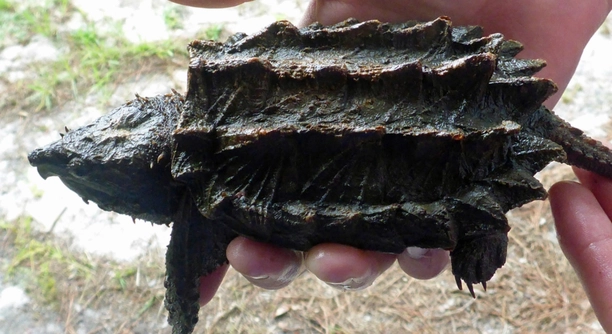
Is your alligator snapping turtle’s tank getting dirty too quickly, making maintenance feel overwhelming? A clean habitat is essential for your turtle’s health and well-being. Keeping the water clear and the tank free of debris requires consistent care and the right approach.
The most effective way to maintain a clean alligator snapping turtle tank is through routine water changes, a strong filtration system, and proper waste removal. A balanced diet and strategic tank setup also contribute to reducing buildup, ensuring a healthier environment for your pet.
A dirty tank can lead to poor water quality and health issues. Learning simple cleaning methods will help you create a cleaner, more manageable habitat for your turtle.
Perform Regular Water Changes
Keeping your alligator snapping turtle’s tank clean starts with regular water changes. Turtles produce a significant amount of waste, which can lead to dirty water and harmful bacteria. Replacing 25-50% of the water every week helps maintain water quality and reduces buildup. Use a siphon or gravel vacuum to remove debris from the bottom of the tank. Dechlorinated water should be added to prevent any chemicals from harming your turtle. If the water appears cloudy or has an odor, increasing the frequency of water changes may be necessary. A clean tank promotes better health and minimizes the risk of infections.
A small but consistent effort goes a long way in keeping the tank clean. Regular water changes prevent excessive algae growth and reduce the workload of the filtration system. Staying on top of this routine makes tank maintenance much easier.
Ensuring proper water quality also involves checking temperature and pH levels. Turtles thrive in stable conditions, so investing in a reliable thermometer and water test kit is beneficial. Monitoring ammonia and nitrate levels will help prevent sudden changes that could harm your turtle. If water parameters fluctuate frequently, adjusting the cleaning schedule or upgrading filtration may be necessary to keep the habitat balanced.
Use a Strong Filtration System
A reliable filtration system is essential for keeping your turtle’s tank clean. Turtles produce more waste than fish, so a standard aquarium filter may not be enough. Choosing a filter rated for at least twice the tank’s size ensures effective waste removal.
A high-quality filter helps break down waste, preventing harmful bacteria and debris from accumulating in the water. Canister filters are a great option because they provide strong mechanical, chemical, and biological filtration. They remove solid particles, neutralize toxins, and encourage beneficial bacteria growth. Positioning the filter’s intake near waste-prone areas improves efficiency. Regular maintenance, such as cleaning the filter media and checking for clogs, ensures optimal performance.
In addition to filtration, adding live plants can further improve water quality by absorbing excess nutrients. While not necessary, plants help control algae and provide natural enrichment. A well-maintained filtration system combined with good cleaning habits will keep the tank cleaner for longer.
Remove Uneaten Food Quickly
Leftover food can quickly decay, affecting water quality. Alligator snapping turtles are messy eaters, and any uneaten food should be removed within 15-20 minutes. Using a net or siphon makes the process easier and prevents unnecessary waste buildup in the tank.
Decaying food releases ammonia, which can be harmful to your turtle. Over time, it can lead to algae growth and unpleasant odors. Feeding your turtle in a separate container reduces mess inside the main tank. If feeding in the tank, placing food on a flat surface makes cleanup more manageable. Adjusting portion sizes based on your turtle’s eating habits helps reduce excess food waste. A clean feeding area keeps the water fresher for longer.
Keeping an eye on feeding habits helps prevent overfeeding, which contributes to additional waste. A balanced diet with proper portions reduces mess and improves overall health. A cleaner tank requires fewer deep cleanings, making maintenance easier.
Control Algae Growth
Algae buildup makes the tank look unclean and can affect water quality. Keeping the tank out of direct sunlight reduces algae growth. Using an aquarium light with a set timer prevents excessive light exposure, which encourages algae development. A consistent cleaning schedule also helps control unwanted algae.
Adding algae-eating tank mates, such as certain fish or snails, can help manage algae naturally. However, they must be compatible with alligator snapping turtles. Scrubbing the tank walls with an algae scraper prevents buildup, and using a fine filter pad can catch floating algae particles. If algae growth is excessive, adjusting light exposure and water parameters may be necessary.
Live plants can also compete with algae for nutrients, reducing its spread. Regularly testing water quality ensures that excess nutrients, like phosphates and nitrates, are kept under control. A well-maintained tank minimizes algae-related problems and keeps the habitat looking clean.
Keep the Substrate Clean
Debris can build up in the substrate, affecting water quality. Using a gravel vacuum during water changes helps remove trapped waste. Sand is easier to clean than gravel since debris stays on the surface. Choosing the right substrate reduces maintenance and keeps the tank healthier for your turtle.
Avoid using small gravel, as turtles may accidentally ingest it while eating. A bare-bottom tank is another option for easy cleaning. If using a substrate, stirring it occasionally prevents gas buildup. Regular maintenance ensures waste does not accumulate, keeping the tank environment cleaner and more manageable.
Maintain Proper Tank Size
A spacious tank reduces waste buildup and improves water quality. Alligator snapping turtles grow large, requiring at least a 75-gallon tank for juveniles and 125 gallons or more for adults. A larger tank provides better filtration capacity, dilutes waste more effectively, and requires less frequent deep cleaning.
Monitor Water Parameters
Testing water quality weekly ensures a healthy environment. High ammonia or nitrate levels indicate waste buildup and signal when additional cleaning is needed. Using a reliable water test kit helps track changes and maintain stable conditions. Keeping water parameters in check reduces stress on your turtle and prevents potential health issues.
FAQ
How often should I clean my alligator snapping turtle’s tank?
A partial water change should be done weekly, replacing about 25-30% of the water. Full cleanings, including substrate maintenance and filter checks, should be done every four to six weeks. Cleaning frequency depends on tank size, filtration quality, and feeding habits. Removing uneaten food and waste daily helps maintain water clarity.
What type of filter is best for an alligator snapping turtle tank?
A powerful canister filter is ideal since turtles produce more waste than fish. Look for a filter rated for at least twice the tank’s water capacity. External filters with multi-stage filtration, including mechanical, biological, and chemical media, help maintain water quality by removing debris and neutralizing harmful substances.
How can I prevent my turtle’s tank from smelling bad?
A strong odor usually indicates waste buildup, poor filtration, or decaying food. Regular water changes, proper filtration, and cleaning the substrate reduce odors. Overfeeding can also contribute to bad smells. Ensuring proper diet portions and removing leftovers prevents food from rotting in the tank.
Can I use tap water for my turtle’s tank?
Tap water is safe if treated properly. Chlorine and chloramines in tap water can harm turtles, so using a water conditioner removes these chemicals. Testing water parameters ensures proper pH, ammonia, and nitrate levels. Letting water sit for 24 hours before adding it to the tank can help dissipate chlorine naturally.
Do I need to use a UVB light for my alligator snapping turtle?
UVB lighting is not essential but is beneficial for overall health. Although these turtles spend most of their time underwater, occasional basking helps with shell health. A low-level UVB light can support calcium metabolism and prevent shell problems. Ensure the light is on for 10-12 hours daily.
Why is my turtle’s water cloudy?
Cloudy water is often caused by bacterial blooms, excess waste, or overfeeding. A new tank may experience temporary cloudiness as beneficial bacteria establish. Regular water changes, proper filtration, and avoiding overfeeding help clear up the water. Using a gravel vacuum prevents waste from accumulating in the substrate.
How do I remove algae from my turtle’s tank?
Algae growth can be controlled by reducing light exposure, cleaning the tank regularly, and using an algae scrubber. Keeping the tank away from direct sunlight and limiting artificial lighting to 8-10 hours daily prevents excessive algae growth. Live plants and algae-eating tank mates can also help.
What should I do if my turtle’s shell looks dirty or has buildup?
A buildup of algae or mineral deposits on the shell can be gently cleaned with a soft toothbrush and dechlorinated water. Avoid using soap or harsh chemicals. If the shell appears soft or discolored, it could indicate a health issue, requiring veterinary attention.
Can I use live plants in my turtle’s tank?
Live plants can help maintain water quality by absorbing excess nutrients, but turtles may uproot or eat them. Hardy plants like anubias, java fern, and hornwort are more likely to survive. Secure plants with rocks or use floating plants to prevent them from being destroyed.
What temperature should the water be for an alligator snapping turtle?
Water temperature should be kept between 72-78°F. A submersible aquarium heater can help maintain stable temperatures in colder environments. Avoid extreme fluctuations, as sudden temperature drops can stress your turtle. Using a thermometer ensures consistent conditions in the tank.
Do I need an air pump in my turtle’s tank?
An air pump is not necessary if the filter provides enough surface agitation for oxygen exchange. However, adding an air stone can improve oxygen levels and water circulation. Proper aeration benefits beneficial bacteria and helps keep water quality stable over time.
Final Thoughts
Keeping an alligator snapping turtle’s tank clean requires consistency and the right setup. A strong filtration system, regular water changes, and removing uneaten food help maintain water quality. Avoiding overfeeding and monitoring waste levels prevent common issues like cloudy water and bad odors. Choosing the right substrate and keeping decorations to a minimum make cleaning easier. A well-maintained tank not only keeps the water clear but also supports your turtle’s long-term health.
Maintaining proper lighting, temperature, and aeration ensures a stable environment. UVB lighting may not be essential, but it can benefit shell health. Keeping the water temperature within the correct range prevents stress and illness. Regularly testing water parameters helps identify imbalances before they become a problem. Adding live plants can improve water quality, but choosing hardy species prevents them from being destroyed. Preventing algae growth with controlled lighting and regular cleaning helps keep the tank looking its best.
A clean tank provides a healthier, more comfortable habitat for your turtle. Establishing a simple maintenance routine makes care easier and prevents major problems. Checking the filter, cleaning the substrate, and monitoring water conditions should become regular habits. Small, consistent efforts lead to a well-maintained tank and a thriving alligator snapping turtle.

Hello,
If you enjoy the content that we create, please consider saying a "Thank You!" by leaving a tip.
Every little bit helps us continue crafting quality advice that supports the health, happiness, and well-being of pets around the world, for pets of all shapes, sizes, and species.
We really appreciate the kindness and support that you show us!