
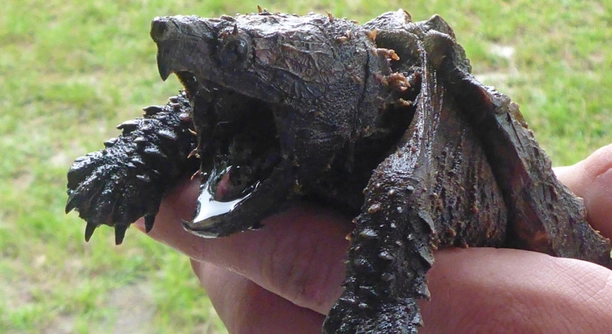
Alligator snapping turtles are fascinating creatures that can thrive in both the wild and in captivity. However, like any pet, they can sometimes face health issues. One common concern is parasites, which can negatively affect their well-being.
Parasites in alligator snapping turtles can cause a range of symptoms such as lethargy, loss of appetite, and abnormal behavior. Monitoring your turtle closely and looking for these signs is essential for identifying potential infections early.
Understanding the signs of parasites will help you take the necessary steps to care for your turtle. By recognizing these symptoms, you can ensure your alligator snapping turtle stays healthy and active.
Common Signs of Parasites in Alligator Snapping Turtles
Parasites can cause various issues for alligator snapping turtles. If your turtle is acting sluggish or seems to have lost interest in food, it might be dealing with a parasite problem. Other symptoms include swollen or discolored eyes, and visible lesions on the shell or skin. Sometimes, the turtle may have abnormal feces, such as diarrhea or undigested food. Monitoring these signs closely can help identify a parasite infection early, which is essential for ensuring your turtle’s health. Regular observation is key when it comes to detecting any changes in your turtle’s behavior or physical appearance.
If you notice any of these signs, it’s time to take action. These health issues may indicate an underlying parasitic infection that can harm your turtle if not addressed quickly.
Parasites can enter a turtle’s body through contaminated food, water, or even through contact with infected tank mates. Keeping their environment clean and providing proper nutrition can prevent parasites from becoming a problem in the first place. However, if your turtle starts showing signs of distress, it’s crucial to seek professional help. A vet can perform tests to identify the type of parasite and recommend the right treatment. If left untreated, parasites can lead to severe health problems, making it essential to catch the issue early.
How to Prevent Parasites
Regular tank maintenance is one of the best ways to prevent parasites. Ensuring your turtle’s habitat is clean and that the water quality is high can significantly reduce the risk of infection.
Maintaining a clean environment is vital for all reptiles, especially turtles. Water should be changed regularly, and any uneaten food should be removed to avoid contamination. Proper filtration is crucial as well. Keeping your turtle’s living space free from waste and bacteria can prevent parasites from thriving. Additionally, offering a balanced diet helps to boost your turtle’s immune system, making it more resilient against infections. Be sure to check their food source too, as contaminated food can introduce parasites into their system. Lastly, quarantining new tank mates before introducing them can minimize the spread of parasites.
Identifying Parasites in Your Turtle’s Feces
One of the easiest ways to spot parasites is by observing your turtle’s feces. Unusual stools, such as those that are very soft, runny, or contain visible parasites, can be a clear sign of infection. If you notice anything unusual, it’s important to address it right away.
Parasites in the stool can vary in appearance. You might see small, thread-like worms or even parts of the parasite that look like small pieces of food. Fecal matter that looks unusually dark or contains mucus can also indicate a parasitic issue. Monitoring your turtle’s waste can give you vital clues, especially when combined with other signs of illness, like lethargy or loss of appetite. This can help you determine if a vet visit is necessary.
If your turtle’s feces seem irregular for an extended period, it’s best to consult a veterinarian. A fecal exam can help identify the specific parasite, and getting treatment early can make all the difference in your turtle’s recovery.
When to See a Veterinarian
If you notice any signs of illness or unusual behavior, consulting a vet should be your next step. Parasites can quickly harm your turtle’s health and make it hard for them to recover.
Your turtle’s health is important, and catching issues early can make all the difference. A veterinarian will conduct tests to determine if parasites are the cause of your turtle’s symptoms. They may ask for a stool sample to identify the specific parasite. Depending on the results, they will recommend an appropriate course of treatment, which could include medication or a change in diet. Not seeking treatment can lead to complications and even permanent damage. Therefore, if you suspect a parasite issue, seeing a vet should not be delayed.
Ignoring symptoms or hoping they will go away can worsen the situation. Parasites often cause more damage over time, which makes early intervention the best choice for your turtle’s well-being.
Treatment Options for Parasites
Once you confirm your alligator snapping turtle has parasites, treatment is necessary. Medication, often prescribed by a vet, can help eliminate the infection. The treatment plan will depend on the type of parasite affecting your turtle.
Your vet may recommend deworming medication, antibiotics, or antifungal treatments depending on the parasite. It’s important to follow the prescribed dosage and duration carefully to ensure the parasite is completely eradicated. Along with medications, maintaining a clean habitat is crucial during the treatment process to prevent reinfection.
In some cases, your turtle may need additional care, like fluids or vitamins, to boost their immune system while fighting off the infection.
Preventing Reinfection
Preventing future infections involves keeping the turtle’s environment clean. Regular water changes and maintaining proper filtration are key to reducing the risk of parasites.
It’s important to continue monitoring your turtle for any signs of illness after treatment. Keeping their living area clean, feeding them properly, and providing a balanced diet can prevent parasites from returning. Make sure to quarantine new tank mates to avoid introducing potential parasites. Regular check-ups with your vet will also help catch any problems early before they become severe.
FAQ
How do I know if my alligator snapping turtle has parasites?
Common signs of parasites in alligator snapping turtles include lethargy, loss of appetite, abnormal feces (like diarrhea or unusual color), and visible lesions on the skin or shell. If you notice any of these symptoms, it’s essential to check your turtle’s health more closely and consult a vet if needed. Pay attention to behavioral changes as well, such as your turtle becoming more reclusive or inactive. Keeping an eye on their environment and diet also helps prevent these issues from arising in the first place.
What types of parasites can affect my alligator snapping turtle?
Alligator snapping turtles can be affected by a range of parasites, including protozoa, internal worms, and external mites. Some of the more common internal parasites include roundworms and tapeworms, while external parasites can include leeches or aquatic mites. The type of parasite often dictates the symptoms your turtle will show, as well as the course of treatment needed. Your veterinarian can help identify the exact parasite through fecal exams or physical examination of the turtle. Regular cleaning and monitoring can reduce the risk of infections from these parasites.
Can parasites be passed between turtles?
Yes, parasites can be spread between turtles, particularly in a shared environment. If one turtle in the tank has parasites, there’s a high chance others can become infected, especially if the tank isn’t cleaned properly. Quarantining new turtles before introducing them to an existing tank is important. This helps prevent the spread of parasites or any other illnesses. If you already have multiple turtles, keeping an eye on their health and isolating sick turtles is essential in managing any outbreaks.
How can I prevent parasites in my alligator snapping turtle?
Preventing parasites starts with maintaining a clean habitat. Regular water changes, proper filtration, and removing uneaten food from the tank can help keep parasites from thriving. Additionally, ensure your turtle is receiving a balanced diet and clean water. Feeding high-quality, parasite-free food reduces the risk of infection from contaminated prey. Also, quarantining any new turtles before adding them to the tank is a good precaution to avoid introducing parasites. Regular check-ups with a veterinarian can help spot issues early and prevent long-term health problems.
Are parasites dangerous for my alligator snapping turtle?
Parasites can indeed be harmful to your alligator snapping turtle. Left untreated, they can lead to serious health issues, including malnutrition, dehydration, or even death. Internal parasites, such as roundworms or tapeworms, can cause digestive issues and weight loss, while external parasites may cause skin irritation or infections. Identifying and treating parasites as early as possible ensures your turtle can recover and stay healthy. It’s always a good idea to consult with a vet if you suspect a parasitic infection to get the correct treatment.
What should I do if I notice my turtle has abnormal feces?
If you notice abnormal feces, such as loose stools, blood, or a change in color, it could be a sign of a parasitic infection. First, observe your turtle for other symptoms, like lethargy or loss of appetite. If you suspect a problem, it’s important to take a stool sample to your veterinarian for analysis. A vet can determine whether the feces indicate a parasite or another issue. In the meantime, keep the tank clean and ensure your turtle’s environment is healthy to avoid further complications.
Can parasites spread to humans?
The risk of parasites spreading to humans from turtles is minimal but still possible. Certain types of parasites, like Salmonella, can be transmitted from reptiles to humans through direct contact with the turtle or its environment. To reduce the risk of spreading parasites, always wash your hands after handling your turtle or cleaning its tank. It’s also important to avoid touching your face or mouth while handling your turtle. Following basic hygiene practices will protect both you and your pet.
How can I treat parasites in my alligator snapping turtle?
Treatment for parasites typically involves medication prescribed by a vet. Depending on the type of parasite, your veterinarian may suggest deworming drugs, antibiotics, or antifungal treatments. Follow the prescribed treatment plan closely to ensure your turtle fully recovers. In some cases, the vet may recommend supportive care, like vitamin supplements or fluids, to help boost your turtle’s immune system during treatment. Always complete the full course of treatment, even if your turtle appears to improve, to make sure the infection is entirely cleared up.
How long does it take for my turtle to recover from parasites?
The recovery time for an alligator snapping turtle depends on the severity of the infection and the type of parasite. Generally, with proper treatment, you can expect a noticeable improvement within a few days to a couple of weeks. However, some parasites might take longer to completely clear up. It’s important to monitor your turtle throughout the recovery process. If symptoms persist or worsen, contact your veterinarian for further advice or alternative treatments. A clean environment and good nutrition will support your turtle’s recovery during this time.
Is it safe to use over-the-counter parasite treatments for my turtle?
It’s best not to use over-the-counter treatments for parasites in your alligator snapping turtle without consulting a veterinarian. While some products may seem effective, they might not be suitable for your turtle’s specific needs or the type of parasite involved. Using the wrong treatment could make the situation worse or harm your turtle. A veterinarian will provide the correct diagnosis and treatment plan to ensure your turtle receives safe and effective care tailored to its condition. Always consult a professional before administering any kind of medication.
Final Thoughts
Caring for an alligator snapping turtle means being aware of the health challenges they can face, including the possibility of parasites. Keeping a close eye on your turtle’s behavior, appearance, and environment will help you spot any potential issues early. Parasites can cause a range of symptoms, from changes in appetite to visible lesions, and the sooner you notice these, the quicker you can seek treatment. Regular monitoring and a clean habitat are the best ways to keep your turtle safe from infections.
If you do spot signs of parasites, it’s important to act fast. Consulting with a vet can help identify the type of parasite and give your turtle the right treatment. Whether it’s deworming, antibiotics, or antifungal treatment, following the vet’s advice will improve your turtle’s chances of a full recovery. Additionally, maintaining a healthy tank environment by changing the water regularly and removing waste can prevent future infections. Your turtle’s health depends not only on treatment but also on preventing reinfection and managing their living space.
Remember, parasites are a common issue that many reptiles face, but they are treatable. By keeping an eye on your turtle’s health and being proactive, you can help ensure a long, healthy life for your alligator snapping turtle. Taking the time to understand the signs of parasites, the proper treatment, and prevention methods will allow you to care for your pet more effectively. Always prioritize your turtle’s well-being and reach out to professionals when necessary.

Hello,
If you enjoy the content that we create, please consider saying a "Thank You!" by leaving a tip.
Every little bit helps us continue crafting quality advice that supports the health, happiness, and well-being of pets around the world, for pets of all shapes, sizes, and species.
We really appreciate the kindness and support that you show us!