
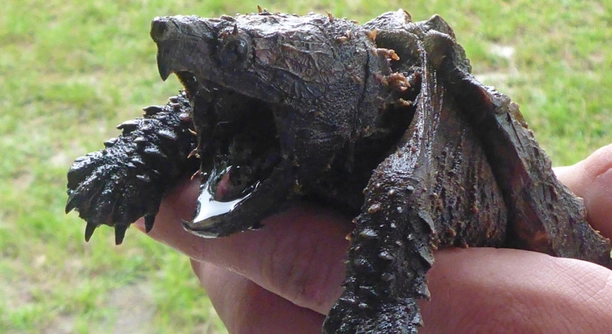
Alligator snapping turtles are unique creatures, and it can be difficult to know when they are resting properly. Proper sleep is crucial for their health and well-being. Understanding their sleep patterns will ensure they thrive in your care.
Alligator snapping turtles typically rest in their shells, slowing their movements and becoming less responsive to stimuli. If your turtle is inactive for extended periods, it is likely resting. However, long periods of inactivity may signal a health concern.
Recognizing the signs of healthy rest will help you monitor your turtle’s well-being and ensure it receives proper care.
Signs Your Alligator Snapping Turtle Is Resting
Alligator snapping turtles need rest to stay healthy, just like any other animal. These turtles tend to stay still, often in their shells, when they’re resting. Their activity levels drop significantly, and they become less responsive to their surroundings. It’s normal for them to rest in this way, especially in cooler water or during periods of inactivity. The best indicator of proper sleep is a turtle that shows little movement but isn’t showing signs of distress. If your turtle stays in one spot for a long time, it’s likely taking a break.
Proper sleep is important for your turtle’s health. If your turtle doesn’t rest or shows signs of fatigue, it could lead to health problems. Pay attention to their movements, and ensure they are comfortable in their environment.
Proper tank temperature is essential for healthy sleep. A too-cold environment can make it difficult for your turtle to get restful sleep. If the water is too warm, it can lead to lethargy. Adjust the water temperature and keep the habitat stress-free to help your turtle rest properly.
When Rest Turns Into Unhealthy Behavior
Sometimes, alligator snapping turtles can appear to be resting, but they may be exhibiting unhealthy behavior. If your turtle stays in one spot for an unusually long time or seems unresponsive for days, it might be a sign that something is wrong. Their sleep should be peaceful, but they should still respond to basic movements around their environment. If they seem excessively lethargic or sluggish after a period of inactivity, it could be an indication of stress, illness, or poor environmental conditions.
Alligator snapping turtles require a balanced environment to thrive. This includes a proper water temperature, a well-maintained tank, and adequate space. Poor water quality or temperature fluctuations can affect your turtle’s health, making them more prone to inactivity. Additionally, stress can hinder their ability to rest properly, leading to behavioral changes. Keep your turtle’s environment stable to ensure they get the proper rest needed to remain healthy.
Environmental Factors Affecting Sleep
Water temperature plays a key role in your alligator snapping turtle’s rest. When the water is too cold, your turtle may become sluggish, struggling to maintain a regular sleep pattern. If the water is too warm, they might not rest as deeply, leading to unnecessary stress. Monitoring the water temperature ensures your turtle can rest properly.
You should keep the water temperature between 70-75°F for optimal comfort. This range encourages the turtle to enter a natural resting state, helping it recover and maintain healthy energy levels. Regularly test the water with a thermometer to avoid fluctuations that could disrupt their sleep.
Proper filtration and water quality are just as important. Stagnant or dirty water can lead to stress, making it harder for your turtle to get quality rest. Clean water helps maintain a comfortable environment where the turtle can feel secure and relaxed. Regular water changes will keep your turtle’s habitat fresh and free from stressors.
Recognizing Stress and Fatigue
Stress can significantly impact the sleep of an alligator snapping turtle. When stressed, they may exhibit changes in behavior, such as excessive hiding, aggression, or erratic movements. These signs indicate they’re not resting properly. Ensuring their tank environment is calm and free from disturbances is key to allowing proper rest.
Turtles are sensitive to changes in their surroundings. New objects, loud noises, or the presence of other pets can cause them stress. Stress can prevent the turtle from entering a restful state, making them appear more awake and agitated. Minimizing these stressors by providing a quiet, stable environment will allow your turtle to rest well and avoid unnecessary fatigue.
Tank Size and Space
A tank that’s too small can restrict your alligator snapping turtle’s ability to rest properly. Limited space can cause stress, making it harder for your turtle to find a comfortable resting spot. Ensure the tank is large enough to allow your turtle to move around freely when not resting.
The recommended tank size for an adult alligator snapping turtle is at least 75 gallons. This gives them ample space to move around and find a comfortable area to rest. A cramped tank may lead to an increased feeling of stress and disrupt their sleep cycles.
Behavior Changes to Watch For
Alligator snapping turtles should be relatively calm during their rest periods. If you notice any unusual behavior, such as frequent swimming, a lack of appetite, or rapid movement, this may indicate a disruption in their sleep pattern. Keeping an eye on these signs can help prevent long-term issues.
If these behavior changes persist, it may be a signal of stress, illness, or discomfort. Stress from environmental factors or poor water quality can make it difficult for your turtle to rest properly. Regularly monitor your turtle’s behavior to ensure they are getting the quality rest they need.
Water Quality and Sleep
Dirty water can cause discomfort and interfere with the turtle’s ability to rest properly. Alligator snapping turtles are sensitive to water conditions, and poor water quality can lead to stress, preventing restful sleep. Regular water changes and a good filtration system are vital for their well-being.
FAQ
How long do alligator snapping turtles sleep?
Alligator snapping turtles typically sleep for several hours each day. This can vary based on factors such as age, health, and environmental conditions. In the wild, they may sleep for up to 12 hours or more, especially during colder months when they become less active. However, in captivity, the sleep duration can be influenced by water temperature and overall comfort.
What is the ideal water temperature for sleep?
For optimal rest, the water temperature should be between 70-75°F. Temperatures above or below this range can disrupt your turtle’s sleep and cause stress. Too cold water can make them lethargic, while too warm water can prevent them from entering a deep restful state. Consistent temperatures are crucial for their well-being.
How can I tell if my alligator snapping turtle is stressed?
Signs of stress include unusual behavior like excessive hiding, erratic swimming, or aggression. A stressed turtle might also refuse food or exhibit lethargy, even during its normal active hours. Stress can result from poor water quality, overcrowding, or environmental changes. It’s important to keep their tank clean and ensure it’s a stable environment.
Can poor water quality affect my turtle’s sleep?
Yes, poor water quality can significantly impact your turtle’s ability to rest. Contaminated or dirty water can cause discomfort and make your turtle more susceptible to stress. Regular water changes, using a good filtration system, and monitoring water parameters like pH, ammonia, and nitrate levels will help maintain a healthy environment for proper rest.
How do I know if my alligator snapping turtle is sick?
If your turtle is unusually inactive, refuses food, or shows signs of illness such as swollen eyes, bloating, or shell discoloration, it could be sick. Illness can prevent proper sleep and disrupt their normal behavior. If you notice these symptoms, consult a veterinarian experienced with reptiles to ensure proper care.
What can I do to improve my turtle’s sleep?
To improve your turtle’s sleep, make sure the tank is large enough for them to move freely. Provide clean water, maintain the correct temperature, and reduce stressors like noise or other animals. A quiet and stable environment encourages healthy rest and promotes overall well-being.
How often should I clean my turtle’s tank?
You should clean your turtle’s tank regularly to ensure clean water and prevent stress. Perform partial water changes weekly and deep clean the tank every 2-3 months. Remove any uneaten food or waste daily to keep the environment clean. A clean tank promotes better sleep and general health for your turtle.
Do alligator snapping turtles sleep at night?
Alligator snapping turtles don’t have a strict sleep schedule. They are more opportunistic sleepers, resting when they feel safe and comfortable. While they may sleep more during the night in captivity, they can rest at any time of day or night. They generally sleep in short bursts rather than long periods.
Is it normal for my turtle to sleep in its shell?
Yes, it’s completely normal for an alligator snapping turtle to sleep in its shell. This is a natural behavior that provides them with protection and comfort. During rest, they tend to retreat into their shell to avoid potential threats. As long as the turtle is responsive when disturbed, there’s no need to worry.
Can I disturb my turtle while it’s sleeping?
While it’s okay to check on your turtle occasionally, avoid disturbing them frequently during their rest periods. Turtles are sensitive to their environment, and interruptions can cause stress. If you need to handle your turtle, do so gently and ensure that it’s not in a deep sleep state where it might be easily startled.
How do I create a comfortable environment for my turtle to sleep?
To create a comfortable environment, make sure the tank has the right temperature, clean water, and plenty of space. Include hiding spots like rocks or plants where your turtle can rest undisturbed. Keep the tank free from loud noises, vibrations, or other pets that might cause stress.
Why is my turtle sleeping more than usual?
If your alligator snapping turtle is sleeping more than usual, it could be due to environmental changes, temperature fluctuations, or stress. Ensure the water temperature is within the recommended range and that the tank is free from stressors. If the excessive sleep continues, check for signs of illness and consult a vet if needed.
How can I make sure my turtle is getting enough rest?
Ensure your turtle has a quiet, clean, and spacious environment with appropriate water temperature and lighting. Monitor their behavior closely, and avoid disturbing them unnecessarily. If your turtle is active but still looks tired, it could be a sign that the tank conditions are not ideal for proper rest.
What should I do if my turtle isn’t sleeping?
If your turtle isn’t sleeping, check for signs of discomfort or stress. Improper water temperature, poor water quality, or even a cramped tank can prevent your turtle from resting. Adjusting the environment or making changes to their habitat can encourage them to settle into a healthy rest pattern.
Final Thoughts
Ensuring that your alligator snapping turtle is sleeping properly is essential for its overall health and well-being. These turtles are sensitive creatures that need a comfortable and stress-free environment to rest properly. If the water temperature, tank size, or water quality is off, it can disrupt their ability to sleep. Stress factors, such as loud noises or overcrowding, can also cause them to sleep less or show signs of discomfort. Maintaining the right conditions is key to supporting their natural sleep cycles and overall vitality.
In addition to providing a suitable habitat, it’s important to monitor your turtle’s behavior closely. If your turtle seems overly tired, refuses food, or shows signs of stress, it’s a good idea to reevaluate its environment. Sometimes, even small adjustments like cleaning the tank or altering the water temperature can make a significant difference. If there are signs of illness, it’s crucial to consult a veterinarian who specializes in reptiles. Quick action can prevent potential health issues and ensure your turtle remains healthy and well-rested.
Ultimately, caring for an alligator snapping turtle requires attention to detail and a commitment to maintaining the right conditions. By understanding their sleep needs and monitoring their behavior, you can provide a supportive and comfortable environment. Regular tank maintenance, proper water conditions, and minimizing stress will help your turtle sleep well and stay healthy. With the right care, your alligator snapping turtle can live a long, happy life.

Hello,
If you enjoy the content that we create, please consider saying a "Thank You!" by leaving a tip.
Every little bit helps us continue crafting quality advice that supports the health, happiness, and well-being of pets around the world, for pets of all shapes, sizes, and species.
We really appreciate the kindness and support that you show us!