
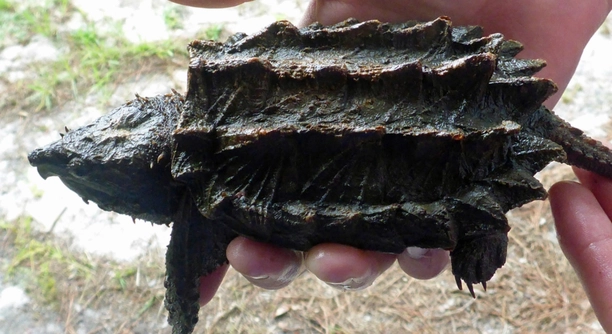
Alligator snapping turtles require a specific diet to stay healthy. Choosing the right natural foods for them can help maintain their well-being and support their active lifestyle. Understanding their nutritional needs is key for long-term health.
The best natural foods for alligator snapping turtles include fish, insects, amphibians, and certain aquatic plants. These foods provide essential protein, vitamins, and minerals. Offering a varied diet ensures they receive the nutrients needed for growth and energy.
A balanced diet of natural foods will contribute to your turtle’s overall health and longevity.
Fish: A Staple in Their Diet
Fish are a primary source of protein for alligator snapping turtles. They enjoy both live fish and cut-up pieces of various fish types. Species like bluegill, sunfish, or minnows are perfect choices. These fish are rich in essential nutrients, particularly omega-3 fatty acids, which support their immune system and overall health. It’s important to offer a variety of fish, ensuring a well-rounded diet and preventing nutrient deficiencies. Fresh, wild-caught fish are often preferred over processed varieties, as they mimic the turtle’s natural hunting habits and offer better nutritional value.
Fish also provide turtles with the right amount of fat, which supports their energy levels and overall growth. Make sure the fish is appropriately sized to avoid choking hazards. When feeding live fish, it’s crucial to supervise your turtle to ensure it gets the nutrition it needs.
In addition to fish, turtles should be given a balanced combination of other foods to meet all their nutritional requirements. A diet consisting solely of fish can lead to an imbalance of other necessary nutrients.
Insects and Invertebrates: Essential Proteins
Insects and invertebrates also make up an essential part of an alligator snapping turtle’s diet. Crickets, worms, and other bugs are natural sources of protein and healthy fats. They can be fed live or frozen, depending on your turtle’s preference.
Feeding insects provides variety in your turtle’s diet, preventing boredom and promoting healthy digestion.
Amphibians: A Natural Food Source
Amphibians, like frogs and tadpoles, are another natural food option for alligator snapping turtles. These creatures provide a good balance of protein and nutrients, ideal for maintaining their health. Offering frogs or tadpoles can replicate the turtle’s natural feeding habits in the wild.
Feeding amphibians helps mimic the turtle’s natural diet in the wild, promoting better health and behavioral enrichment. Frogs offer not only protein but also moisture, which is important for hydration. However, be mindful of the size of amphibians to prevent any choking hazards. It’s also recommended to vary the types of amphibians offered for a more balanced diet.
When offering amphibians, ensure they are free from pesticides or chemicals, as these can harm your turtle. It’s also crucial to supervise your turtle while feeding live amphibians to ensure they are safe for consumption.
Aquatic Plants: Nutrient Boosters
Certain aquatic plants can play a crucial role in an alligator snapping turtle’s diet. Plants like water lettuce, water hyacinth, and duckweed are excellent sources of vitamins and minerals. They are easily digestible and often provide the necessary fiber for healthy digestion.
Aquatic plants are great for enhancing the diversity of the turtle’s diet. They provide essential vitamins like A and C, which support the immune system and skin health. The plants also help promote natural behaviors like foraging. When offered fresh, these plants can be a fun and nutritious addition to the diet. However, be sure to provide a variety of plant types to avoid any nutrient imbalances.
Shrimp: A Healthy Snack
Shrimp are a nutritious snack that alligator snapping turtles enjoy. They are high in protein and low in fat, making them a great food choice. Offering shrimp can provide variety to their diet while keeping their protein intake balanced.
Shrimp are also rich in vitamins and minerals, including calcium, which is essential for maintaining strong bones and shells. You can offer shrimp raw or cooked, but avoid seasoning. It’s best to offer them in moderation to prevent an imbalance in nutrients. Keep their size appropriate to avoid choking hazards.
Crustaceans: A Vital Part of Their Diet
Crustaceans, such as crayfish and snails, provide essential nutrients for alligator snapping turtles. These creatures offer protein, calcium, and other minerals vital for the turtle’s overall health. Crayfish and snails help keep the turtle’s digestive system in check, promoting natural foraging behavior.
Crustaceans can be offered in their live form or as frozen options. These animals also contain hard exoskeletons that can assist in keeping a turtle’s beak naturally worn down. While these are nutritious, they should be fed alongside other foods for a well-rounded diet. Be cautious of overfeeding, as excessive amounts can lead to an imbalance in their nutrition.
FAQ
What should I feed my alligator snapping turtle?
Alligator snapping turtles require a varied diet to stay healthy. They primarily need protein from fish, insects, and amphibians. Aquatic plants, shrimp, and crustaceans also contribute essential vitamins and minerals. A balanced diet should consist of a mix of these food sources to ensure they receive all necessary nutrients for growth and energy. You can also offer commercial turtle food occasionally to supplement their diet.
Can I feed my alligator snapping turtle vegetables?
Yes, you can feed your alligator snapping turtle some vegetables, but they should not make up the bulk of their diet. While they are primarily carnivorous, some vegetables, like dark leafy greens, can be offered occasionally for extra nutrients. Vegetables like kale or collard greens can provide vitamins A and C, which are beneficial for the turtle’s immune system. Avoid giving them too much vegetable matter, as it can upset their digestion.
How often should I feed my alligator snapping turtle?
Young alligator snapping turtles need to be fed more frequently than adults. Generally, young turtles should be fed every day, while adults can be fed every 2-3 days. Overfeeding can lead to health issues such as obesity or shell deformities. Always monitor their weight and adjust their feeding schedule accordingly to maintain their overall health.
Are there any foods I should avoid feeding my alligator snapping turtle?
Yes, there are certain foods to avoid. Processed foods, especially those high in salt, should be avoided as they can harm your turtle’s kidneys. Never feed your turtle human food, such as bread, dairy, or sugary items. Avoid feeding them food that contains harmful chemicals or pesticides, as these can cause serious health problems. Stick to natural, fresh foods to ensure your turtle gets the best nutrition.
How do I know if my alligator snapping turtle is eating enough?
You can tell if your turtle is eating enough by monitoring its weight and behavior. A healthy turtle will have a strong, steady growth rate and will be active, swimming around and foraging. If your turtle is losing weight or becoming lethargic, it may not be getting enough food. Consult a veterinarian if you notice any signs of malnutrition or illness.
Can I feed my alligator snapping turtle live food?
Yes, alligator snapping turtles benefit from live food. They are natural predators, so live fish, insects, and amphibians are excellent choices. Live prey encourages them to display natural hunting behaviors and provides better stimulation for their physical and mental health. However, ensure the live food is free of parasites or chemicals that could harm your turtle.
How can I supplement my alligator snapping turtle’s diet with vitamins?
If you feel your turtle is lacking certain vitamins or minerals, you can supplement its diet with a reptile-specific multivitamin. These supplements can be dusted onto the turtle’s food or added to its water. Be cautious with supplements, as excessive vitamins can cause toxicity. Stick to recommended dosages and consult with a vet if you are unsure.
Can I feed my alligator snapping turtle insects from my garden?
Insects from your garden can be a good source of protein, but they must be free of pesticides, herbicides, and other chemicals. These chemicals can be harmful to your turtle, so ensure the insects are safe and clean before offering them. It’s safest to purchase feeder insects from a reputable supplier who ensures the insects are safe for reptiles.
Is it safe to feed my alligator snapping turtle frozen food?
Frozen food is safe for your alligator snapping turtle as long as it is thawed properly before feeding. Freezing preserves the food’s nutritional value, and many pet stores sell frozen options like shrimp, fish, and worms. Be sure to check the quality of the frozen food and avoid those with added preservatives or chemicals.
What is the best water temperature for feeding my alligator snapping turtle?
The ideal water temperature for feeding your alligator snapping turtle is between 75°F and 80°F (24°C to 27°C). This temperature range ensures proper digestion and activity. Water that is too cold can slow down the turtle’s metabolism, making it harder for them to digest food. Always ensure the water temperature is consistent and monitor it regularly.
How can I encourage my alligator snapping turtle to eat?
If your turtle isn’t eating, it may be stressed, sick, or simply not hungry. Ensure that its environment is comfortable with proper water temperature and cleanliness. You can try offering different types of food to stimulate their appetite. Live prey is often a good option to encourage feeding. Avoid handling the turtle too much, as this can cause stress.
How long can an alligator snapping turtle go without food?
Alligator snapping turtles can go without food for a few weeks, especially if they are healthy and well-fed prior. They can survive longer during colder months when their metabolism slows. However, consistently underfeeding can cause malnutrition and other health issues, so it’s important to ensure they get regular, nutritious meals.
Should I feed my alligator snapping turtle outside of the water?
It’s best to feed your alligator snapping turtle in the water. They are aquatic animals and are more comfortable eating in their natural environment. Feeding outside of the water can cause stress and interfere with their natural behavior. It’s also easier for the turtle to eat and swallow food when it’s in the water.
Final Thoughts
Alligator snapping turtles require a carefully balanced diet to stay healthy and thrive. Their natural diet includes a mix of animal-based proteins, such as fish, insects, and crustaceans, along with occasional vegetables for extra nutrients. Offering a variety of foods will help ensure that they get the essential vitamins, minerals, and proteins they need. It’s important to feed them foods that are appropriate for their size and age, as overfeeding or feeding the wrong foods can lead to health problems.
When preparing food for your alligator snapping turtle, always consider the quality and freshness of what you’re offering. Avoid feeding them processed or human food, as these can contain harmful additives or be too high in salt, which can damage their health over time. Live prey can be a good option, as it provides not only nutrition but also mental stimulation for the turtle. Just make sure that any live food is free from pesticides and chemicals, which could harm your turtle. Additionally, monitoring the portion sizes and feeding frequency is essential to avoid underfeeding or overfeeding.
Maintaining a healthy diet is just one aspect of keeping your alligator snapping turtle healthy. Proper habitat conditions, such as clean water and the correct water temperature, are also crucial for their overall well-being. By following the recommended feeding practices and keeping a close eye on their health, you can help ensure your alligator snapping turtle lives a long, healthy life.

Hello,
If you enjoy the content that we create, please consider saying a "Thank You!" by leaving a tip.
Every little bit helps us continue crafting quality advice that supports the health, happiness, and well-being of pets around the world, for pets of all shapes, sizes, and species.
We really appreciate the kindness and support that you show us!