
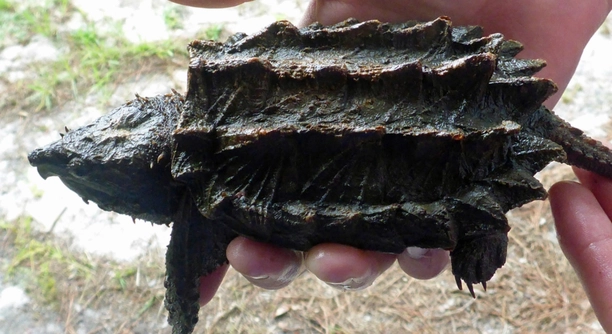
Turtle owners often face challenges in properly feeding their pets. While these creatures may seem low-maintenance, their dietary needs can be more complex than expected. Understanding the most common mistakes can help ensure they thrive.
One of the main feeding mistakes turtle owners make is offering the wrong type of food, such as over-relying on commercial pellets. A balanced diet, including fresh vegetables, proteins, and occasional fruits, is crucial for their overall health and long-term well-being.
A few simple changes can make a big difference in your turtle’s health. These feeding tips are easy to implement and can prevent future issues. Keep reading to learn how to optimize your turtle’s diet!
Offering Only One Type of Food
Feeding your turtle the same food every day might seem convenient, but it can lead to nutritional imbalances. Turtles need a variety of foods to meet their different dietary needs. A healthy diet should consist of protein, vegetables, and occasional fruits. Relying too much on commercial pellets can result in deficiencies, as they often lack essential nutrients. Some owners may not realize that what they offer can affect their turtle’s shell growth, energy levels, and overall health.
The best approach is to rotate the foods you provide. Fresh, leafy greens like kale, dandelion, and romaine lettuce are great choices. You can also offer proteins like insects, fish, or shrimp.
Variety ensures that your turtle gets the vitamins and minerals it needs. Over time, a diverse diet will help your turtle stay active, healthy, and happy. Remember to tailor the food to your turtle’s species, as some may need more protein or greens than others. Avoid feeding them too many fruits, as it can lead to excessive sugar intake.
Incorrect Feeding Schedule
Turtles require a consistent feeding schedule, but many owners make the mistake of feeding them irregularly. Skipping meals or feeding them at odd times can confuse your turtle’s digestion. This can lead to an unhealthy feeding pattern, poor growth, and even obesity if overfed.
Establishing a proper feeding routine is essential for your turtle’s health. A good rule of thumb is feeding your turtle once a day or every other day, depending on its age. Juvenile turtles often need more food because they are growing quickly, while adult turtles may eat less frequently.
Consistency in feeding time is crucial. A set routine helps your turtle’s metabolism and makes it easier to monitor its eating habits. Providing food at the same time each day also helps with digestion and ensures that your turtle does not become too eager for food, which can cause stress. Make sure to remove any leftover food to avoid contamination in their tank.
Feeding Too Much Protein
Overfeeding protein can cause health problems for turtles. It’s easy to get carried away with feeding them insects, fish, or shrimp, but these foods should be offered in moderation. Too much protein can lead to kidney issues and shell deformities over time.
A balanced diet for your turtle should include more vegetables than protein. Excess protein can throw off their nutrient balance and cause them to gain weight quickly. Turtles need protein for growth, but it’s important to avoid overfeeding.
Adjust the amount of protein based on your turtle’s age and species. Juveniles may require more, but adult turtles need far less. Offering protein every other day or two to three times a week is sufficient. This ensures your turtle receives enough without putting extra stress on its system.
Ignoring the Importance of UVB Light
Many turtle owners neglect to provide proper UVB lighting for their pets. UVB light is essential for turtles as it helps them process calcium and maintain healthy bones and shells. Without it, they may develop metabolic bone disease or soft shells.
UVB lighting should be provided for 10-12 hours daily, and it’s essential to place the light close enough for your turtle to bask in its rays. Regular exposure helps with vitamin D3 synthesis, which aids in calcium absorption. Without proper UVB light, turtles cannot effectively use the calcium in their diet, leading to health issues.
It’s important to replace UVB bulbs every 6-12 months since they lose their effectiveness over time. Additionally, make sure your turtle can easily access the basking area where the light is focused. Proper lighting mimics natural sunlight, helping turtles thrive in captivity.
Not Offering Fresh Water
Turtles need access to fresh water at all times. Some owners make the mistake of assuming their turtle will be fine without a constant water supply. Dehydration can lead to poor health and make it difficult for turtles to digest food properly.
Always ensure your turtle’s water is clean and free from food debris. A water filter can help maintain cleanliness and reduce the need for frequent water changes. You should replace the water regularly, as stagnant water can harbor harmful bacteria.
Providing clean water helps prevent health issues like urinary infections and shell rot. It’s essential for both hydration and maintaining a clean environment for your turtle.
Not Cleaning the Tank Properly
Keeping your turtle’s tank clean is vital for its overall health. Failing to clean the tank regularly can cause bacterial growth, making the water unhealthy and leading to skin and shell infections.
Remove waste and food remnants daily, and change the water as needed. A dirty environment can stress your turtle, leading to poor appetite and behavior. Additionally, you should clean the decorations and tank filters to prevent any buildup of bacteria. This also ensures that your turtle stays active and content.
A properly cleaned tank contributes to your turtle’s happiness and health.
FAQ
How often should I feed my turtle?
Turtles usually need to be fed once a day or every other day, depending on their age. Juvenile turtles, which are growing rapidly, require more frequent meals—typically once a day. Adult turtles, however, can eat every other day or even less often. If you’re unsure about your turtle’s specific needs, check the species to tailor its diet. For most species, 3-4 feeding days per week are enough for adults. Always observe your turtle’s behavior and weight to adjust the feeding schedule if needed.
Can I feed my turtle only pellets?
It’s not recommended to rely solely on pellets. While pellets can be a convenient option, they often lack the variety of nutrients turtles need. A diet that includes fresh vegetables, occasional fruits, and some proteins like insects or fish is crucial for your turtle’s health. Pellets can be offered occasionally, but they should not be the main source of food. By adding variety, you help your turtle stay healthy and avoid any deficiencies.
What vegetables can I feed my turtle?
Turtles can enjoy a variety of vegetables such as leafy greens (kale, dandelion, collard greens, and romaine lettuce), carrots, zucchini, and squash. Avoid feeding them iceberg lettuce as it offers little nutritional value. You can also try offering aquatic plants like water lettuce or water hyacinth, which many turtles love. These vegetables provide essential vitamins and minerals to support your turtle’s health. Always wash vegetables thoroughly before feeding them.
Should I feed my turtle fruit?
Fruits can be offered, but they should be given sparingly. Too much fruit can lead to obesity or digestive issues because of the high sugar content. Fruits like strawberries, blueberries, apples, and melon can be a tasty treat but should only be given once or twice a week. Keep fruit portions small and make sure they complement a balanced diet of vegetables and protein.
How do I know if I’m overfeeding my turtle?
Signs of overfeeding include weight gain, lethargy, and an increase in food refusal. If your turtle is regularly leaving food behind or showing less interest in eating, it might be consuming more than it needs. On the other hand, a lack of food or noticeable weight loss could indicate underfeeding. Keep track of your turtle’s size and activity level. You can always adjust portions based on these observations, aiming for a healthy balance.
Can my turtle eat meat?
Yes, turtles can eat meat, but it should be offered in moderation. Many turtles, especially omnivorous or carnivorous species, enjoy live prey, like fish, insects, or shrimp. However, overfeeding meat can cause kidney problems and imbalance their diet. Stick to feeding meat as a supplement to their regular vegetable intake. Offer protein sources like crickets, worms, and small fish in limited amounts, ideally 1-2 times a week.
What if my turtle refuses to eat?
If your turtle refuses food, it could be stressed, sick, or not comfortable with the food offered. Make sure the tank is clean, the water is fresh, and the temperature is appropriate for your turtle’s species. If it’s still refusing food after a few days, consult a veterinarian to rule out any underlying health problems. Turtles may also go through periods of reduced appetite during certain seasons, so don’t panic right away.
How long can my turtle go without food?
Turtles can typically go without food for a few days, but it’s not recommended to let them fast for extended periods. In the wild, they may go through times of food scarcity, but in captivity, regular feeding is crucial to keep them healthy. In some cases, a healthy adult turtle may go for up to 2-3 weeks without food, but this should not be a regular occurrence. Always make sure your turtle has access to the right food and the environment to encourage healthy eating habits.
Is UVB light necessary for turtles?
Yes, UVB light is essential for turtles. Without proper UVB exposure, they can develop metabolic bone disease due to a lack of vitamin D3, which is needed for calcium absorption. UVB light helps turtles produce vitamin D3 naturally. Ensure your turtle has access to a basking area under UVB light for at least 10-12 hours a day. Replace UVB bulbs every 6-12 months, as they lose effectiveness over time.
How can I prevent my turtle’s shell from becoming soft?
A soft shell can be a sign of poor diet, lack of calcium, or inadequate UVB lighting. Make sure your turtle’s diet includes enough calcium, either through calcium-rich vegetables or supplements. Also, provide a proper UVB light to help with calcium absorption. If your turtle’s shell appears soft or deformed, consult a vet to ensure that nutritional and environmental factors are balanced correctly.
Should I feed my turtle live insects?
Live insects can be a great source of protein for your turtle, but they should be fed in moderation. Insects like crickets, mealworms, and waxworms are popular choices. Make sure any live insects are safe and free from pesticides. Offering them occasionally, along with a variety of other food sources, will help maintain a balanced diet. Be cautious not to overfeed live insects, as they can quickly add too much protein to your turtle’s diet.
Can I feed my turtle fish from my aquarium?
It’s not recommended to feed your turtle fish directly from your aquarium unless you are certain they are healthy and free of parasites. Fish from home aquariums may carry diseases that can harm your turtle. If you choose to feed fish, make sure it’s from a reputable source, and avoid feeding them aquarium fish that could carry harmful bacteria or parasites.
What is the best type of food for a baby turtle?
Baby turtles need a diet that supports their rapid growth. They typically require more protein than adults, so you can feed them protein-rich foods like small fish, worms, and insects, along with leafy greens like dandelion or collard greens. Offer a mix of protein and greens to balance their nutritional needs. However, be careful not to overfeed, as obesity can lead to problems later in life. The right combination of food is vital for proper growth and shell development.
How can I tell if my turtle is healthy?
A healthy turtle will be active, alert, and interested in eating. It will have clear, bright eyes and a hard, smooth shell. If your turtle appears lethargic, has cloudy eyes, or its shell is soft or deformed, it could be a sign of health problems. Regular veterinary check-ups are important to monitor your turtle’s overall condition. Always observe changes in behavior, eating habits, and physical appearance to catch potential issues early.
Final Thoughts
Taking care of a turtle requires attention to detail, especially when it comes to feeding. The most common mistakes that turtle owners make often stem from a lack of understanding about their pet’s nutritional needs. Offering too much protein, neglecting to provide fresh water, or relying solely on pellets can lead to health issues down the line. A balanced diet, proper UVB lighting, and a clean tank are key factors in ensuring your turtle thrives in a safe and healthy environment.
One of the best ways to prevent these mistakes is by educating yourself about the specific needs of your turtle’s species. Every turtle is different, so it’s important to understand what type of food, how much, and how often they need it. Providing a variety of foods, such as leafy greens, proteins, and occasional fruits, along with maintaining a consistent feeding schedule, can help your turtle stay healthy. Additionally, making sure your turtle has access to clean water and a proper basking spot is essential for its well-being.
Remember that small changes can make a big difference. By avoiding common feeding mistakes and following the proper care guidelines, you can help ensure that your turtle lives a long, happy, and healthy life. Paying attention to the details and staying consistent with their care will allow you to enjoy watching your turtle grow and thrive.

Hello,
If you enjoy the content that we create, please consider saying a "Thank You!" by leaving a tip.
Every little bit helps us continue crafting quality advice that supports the health, happiness, and well-being of pets around the world, for pets of all shapes, sizes, and species.
We really appreciate the kindness and support that you show us!