
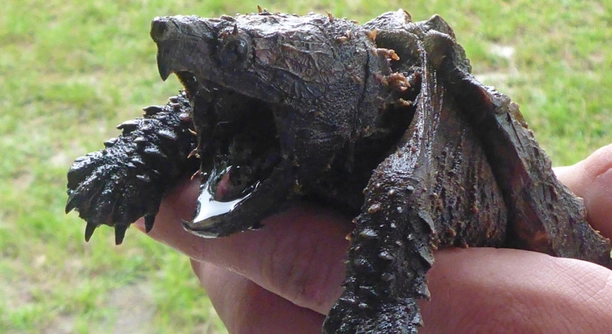
Alligator snapping turtles are fascinating creatures, but if you’ve noticed your turtle moving its nest, you might be left wondering why. This behavior is more common than you think and can have several causes.
The most common reason an alligator snapping turtle moves its nest is to find a safer, more suitable location. This can be due to environmental conditions, such as flooding or predators, which prompt the turtle to relocate its eggs.
Understanding why this happens is important for the well-being of your turtle. Keep reading to discover what might be causing the nest relocation and how you can help ensure your turtle’s nesting success.
Reasons for Nest Relocation
Alligator snapping turtles are highly sensitive to their environment. When they move their nests, it usually happens for a reason. This species is incredibly cautious about where it lays its eggs. If the location feels unsafe, they instinctively search for a better spot. Common threats include floods or predators. The turtles are hardwired to protect their eggs, and relocating ensures their young have the best chance at survival. Environmental changes, such as the shifting of sand or soil, may also prompt them to move. Sometimes, the original nest site simply becomes unsuitable due to external factors like temperature fluctuations.
When your turtle is moving its nest, it’s a sign that it’s trying to adapt to the surroundings. It’s not unusual for the turtle to do this multiple times during the nesting season. This behavior is simply instinct at work.
Turtles may also relocate their nests if the first spot lacks proper coverage or shelter. If the nest is exposed to harsh weather conditions or predators, the turtle will move its eggs to a safer, more stable location. This is a survival mechanism designed to improve the chances of the hatchlings reaching adulthood. The choice of location is also crucial for temperature regulation, which impacts the development of the eggs. This behavior is part of the turtle’s instinct to ensure its offspring can survive in an often unpredictable environment.
Impact of External Factors
External factors such as flooding, predators, and temperature shifts all play a role in nest relocation. If the area is prone to flooding, the turtle may decide to move its eggs to avoid the risk of drowning. Similarly, if the nest is too exposed to predators, it’s in the turtle’s best interest to relocate to a safer environment. Temperature is another significant factor, as alligator snapping turtles require a specific range for their eggs to develop properly. If the temperature in the original nest site fluctuates too much, the eggs might not incubate well, leading the turtle to move them to a more stable location. These are just a few examples of how external elements can influence nest relocation and the overall success of the turtle’s reproductive process.
Turtles are naturally programmed to ensure the survival of their eggs, and these external factors can heavily influence that decision. By understanding these reasons, you can help provide a better environment for your turtle’s nesting needs.
Predators and Nest Safety
Predators can make an alligator snapping turtle feel the need to move its nest. Animals like raccoons, birds, or even other turtles can pose a threat to the eggs. The turtle’s natural instinct is to protect its offspring, so if it senses danger, it will try to find a more secure spot. If the nest site is too open or vulnerable, the turtle will likely relocate the eggs to a safer area, away from predators. This is crucial for the survival of the hatchlings once they emerge.
Turtles are protective of their nests, and they will go to great lengths to secure them. This includes moving eggs when there is even a slight threat of danger. Some predators are attracted to the scent of the eggs, so the turtle may feel the need to relocate to a hidden or secluded area. Often, they will select a place with more natural barriers, such as vegetation or rocks, to deter predators from finding the nest. The safety of the nest is vital for the young turtles, which is why this behavior is instinctive.
A turtle’s ability to identify and avoid predators shows how in tune they are with their surroundings. By relocating their nest, they ensure that their eggs are protected, even if it means repeated movements. While this might seem like unusual behavior, it’s actually quite normal and beneficial for the survival of the species. When turtles move their nests, they are simply taking the necessary steps to ensure that their future generations can hatch and thrive.
Temperature and Nest Relocation
The temperature of the nesting site plays an important role in the development of turtle eggs. If the conditions are not ideal, the turtle may move its nest to regulate the temperature. Temperature affects the gender and viability of the eggs. Turtles need a consistent range of warmth for their eggs to develop correctly, which is why fluctuating temperatures can be a problem. If the nest is too cold or too hot, the eggs may fail to incubate, prompting the turtle to relocate them to a more favorable spot.
This temperature sensitivity explains why turtles are so selective about where they place their nests. If the original location is too exposed to direct sunlight or not enough heat, the eggs may not have the proper conditions to hatch. Female alligator snapping turtles instinctively seek a place where they can control the temperature, such as a shaded area or one with more stable soil. Moving the nest ensures that the eggs receive the ideal warmth for incubation, which is crucial for the hatchlings to develop properly. Without the right temperature, the eggs might not survive, making nest relocation an essential step for the turtle’s reproductive success.
By understanding how temperature influences the turtle’s decision to move its nest, you can better appreciate the care and effort that goes into the turtle’s nesting behavior. It’s not just about finding a safe spot, but also one that provides the perfect environment for the eggs to hatch. Temperature regulation is one of the many factors that drive a turtle’s nesting choices, and it helps explain why moving the nest is sometimes necessary for successful reproduction.
Natural Instincts of the Turtle
Alligator snapping turtles are driven by strong instincts when it comes to nesting. Their behavior, such as moving a nest, is a natural response to environmental challenges. It’s their way of adapting to ensure that the eggs survive. The instinct to protect and care for their offspring is deeply embedded in their behavior.
These instincts ensure that the eggs have the best chance to hatch and thrive. Whether moving the nest to avoid predators or find better temperatures, the turtle is simply following its natural urges. It’s a vital part of their survival strategy, ensuring the next generation of turtles will grow.
Nesting Site Preferences
The ideal nesting site for an alligator snapping turtle includes a mix of factors, such as the right temperature, soil, and shelter. When one or more of these factors is lacking, the turtle will look for a better location. They tend to prefer areas that are away from high traffic or dangerous environments. The goal is to find a site that offers both safety and optimal conditions for egg development. If the first spot doesn’t meet these needs, the turtle will search for a new, more suitable one.
Managing Nesting Stress
Sometimes, external factors like human activity or disturbances can cause stress for the turtle. If a turtle feels unsafe, it may relocate its nest as a way of coping. This can include moving away from areas with high foot traffic or noise. While it’s important to protect the nest from such disruptions, the turtle’s actions are simply a response to its natural instincts.
FAQ
Why does my alligator snapping turtle keep moving its nest?
Alligator snapping turtles move their nests mainly to protect their eggs from predators and harsh environmental conditions. They are instinctively driven to find safer, more stable locations for egg incubation. Changes in temperature, flooding, or the presence of predators can lead the turtle to relocate its nest. If the first nesting site doesn’t provide proper warmth or safety, the turtle will try to find a better spot. This behavior is completely natural and is essential for the survival of their young.
How do I know if the nest is in a dangerous location?
A dangerous nesting location might be one that is easily accessible to predators, such as raccoons, birds, or other turtles. You should also watch out for nests near water that might flood during storms or rainy weather. If the area is overly exposed to sunlight or lacks protection, it could also be unsuitable. A nest located in a busy or noisy area may stress the turtle, causing it to move the eggs to a safer spot. You should ensure the nesting site is in a quiet, secure location with minimal human disturbance.
Can I do anything to stop the turtle from moving its nest?
While you can’t directly stop a turtle from moving its nest, you can help create a safer, more stable environment. Try to protect the nesting site from predators by using barriers or fencing around the area. Keeping the nest away from potential flooding areas and maintaining a safe distance from human traffic will also encourage the turtle to stay put. If the turtle is stressed due to excessive noise or disturbance, minimizing these factors can also reduce the likelihood of the turtle moving its nest.
What should I do if I find a relocated nest?
If you find that the turtle has relocated its nest, avoid disturbing it as much as possible. If you can, gently mark the spot so you can keep track of it without causing harm. Be mindful of keeping the area quiet and free from disturbances. If the nest is in an area that might be threatened by flooding or predators, consider creating a safe barrier to protect the eggs. Try not to interfere too much, as the turtle may continue to move the nest if it feels unsafe.
Why do turtles sometimes move their nest multiple times?
Turtles may move their nests several times if they feel their current location is no longer safe or ideal for egg incubation. External factors like temperature fluctuations, predators, or environmental changes can trigger the move. Alligator snapping turtles are highly sensitive to their surroundings, so they are constantly looking for the best conditions to protect their eggs. This instinctive behavior ensures the eggs have the best chance of survival. While it may seem odd, it’s simply part of the turtle’s natural way of securing its offspring’s future.
Can temperature affect the success of a turtle’s nest?
Yes, temperature is a critical factor in the success of a turtle’s nest. Alligator snapping turtles rely on the warmth of the ground for proper incubation. If the nest is too cold or too hot, it can impact the development of the eggs. Inappropriate temperatures can prevent the eggs from hatching, or it might affect the gender of the hatchlings. If the turtle senses that the current location is too warm or cold, it will move its nest to find a more suitable environment. Keeping the nest in a temperature-controlled area helps ensure the eggs incubate properly.
What can I do to help protect the nest?
To protect a turtle nest, ensure it is located in a safe, secure environment. You can build a barrier or create an enclosure around the nest to keep predators away. Check the area regularly for signs of disturbance, such as animal tracks or damaged soil, which might indicate predators trying to access the eggs. If you suspect the nest is at risk from flooding, consider moving the eggs to a safer spot, but only do so with care and proper knowledge. Remember, keeping the nest undisturbed is key to allowing the turtle to successfully incubate its eggs.
Is it normal for turtles to be stressed when nesting?
Yes, nesting can be a stressful time for turtles. The instinct to protect their eggs makes them highly sensitive to their environment. If they feel threatened by predators, loud noises, or sudden movements, they may become stressed and attempt to relocate their nest. To reduce stress, it is important to keep the area quiet and minimize human interference. Offering a safe, peaceful environment will give the turtle the best chance to lay and incubate its eggs without the need for frequent nest relocation.
How long does it take for the eggs to hatch?
The incubation period for alligator snapping turtle eggs generally ranges from 80 to 140 days, depending on the temperature and environmental conditions. Warmer temperatures typically speed up the process, while cooler temperatures can slow it down. The turtle eggs need consistent warmth to develop properly, so a stable environment is crucial. Once the eggs hatch, the young turtles will make their way to the water, but this can only happen successfully if the eggs have been incubated in the right conditions. You should monitor the nest until the turtles hatch, but try not to disturb it.
Should I worry if the turtle seems to be moving its nest often?
If the turtle is frequently moving its nest, it’s usually a sign that something in the environment is not right. It could be due to predators, unsuitable temperatures, or the threat of flooding. While this is natural behavior, it can also indicate that the turtle is struggling to find the perfect location. Make sure the area is secure and free of threats, and try to minimize disturbances. If the turtle continues to move its nest, there may be a more significant issue at play, and you should consider consulting an expert or wildlife professional.
Final Thoughts
Alligator snapping turtles are remarkable creatures with an incredible ability to adapt to their surroundings. The behavior of moving their nests is a natural response to external factors, such as temperature changes, the presence of predators, or even environmental disruptions. It’s important to remember that these actions are instinctual and aimed at ensuring the survival of their offspring. While it might seem unusual to us, this nesting behavior is part of the turtle’s effort to protect its eggs and give them the best chance of hatching successfully. Understanding this behavior can help us better support the turtles in their natural environment.
In some cases, the relocation of a nest may appear excessive or repetitive, but it’s simply the turtle’s way of responding to challenges. The environment is full of threats and changes, and the turtle’s instincts push it to find the safest and most stable conditions for its eggs. Whether it’s moving the nest away from predators or seeking a temperature-controlled location, this behavior is an essential part of the turtle’s reproductive strategy. In many ways, the survival of the eggs depends on the turtle’s ability to make these quick, instinctual decisions. Ensuring that the nesting site is secure and undisturbed can make all the difference in the success of the hatching process.
If you are lucky enough to have an alligator snapping turtle nesting in your area, it’s essential to provide a safe and quiet space for the turtle to carry out this process. Protecting the nest from predators, minimizing human interference, and ensuring that the nest is safe from flooding or extreme temperature changes can significantly increase the chances of successful hatching. While it’s impossible to completely control the environment, small steps to create a secure area can help provide the turtle with the best conditions to hatch and thrive. The more we understand the natural behavior of these turtles, the better we can protect them and their future generations.

Hello,
If you enjoy the content that we create, please consider saying a "Thank You!" by leaving a tip.
Every little bit helps us continue crafting quality advice that supports the health, happiness, and well-being of pets around the world, for pets of all shapes, sizes, and species.
We really appreciate the kindness and support that you show us!