
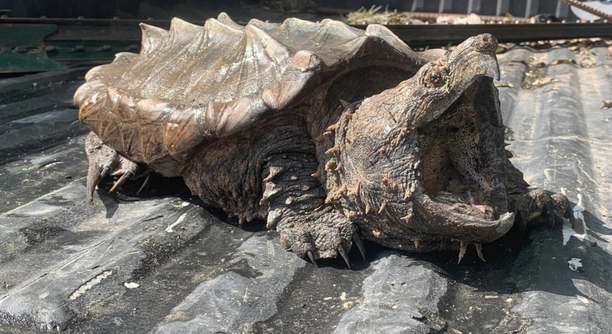
As a pet owner, it’s important to understand the seasonal needs of your alligator snapping turtle. Preparing for hibernation can be a delicate process that requires attention to your turtle’s behavior and environment.
Alligator snapping turtles typically hibernate when temperatures drop. Signs of readiness for hibernation include reduced activity, decreased appetite, and a tendency to seek cooler, more secluded areas. Ensuring proper conditions for this phase is crucial for their health.
By recognizing these signs, you can support your turtle through the hibernation process. Proper care ensures a smooth transition and helps avoid potential health risks.
Recognizing the Signs That Your Turtle is Ready to Hibernate
Alligator snapping turtles go through a natural process of preparing for hibernation when the weather cools. As the days shorten and temperatures drop, they will often exhibit certain behavioral changes. These changes include eating less frequently, becoming less active, and seeking out cooler, darker spaces within their enclosure. At this stage, it is crucial to monitor your turtle’s environment. If they are showing signs of hibernation readiness, it is important to provide them with the right conditions to help them transition safely. Keeping the water temperature consistent and ensuring that they have a quiet, dark spot to rest can make a big difference.
When you notice these signs, be sure to adjust the temperature of their tank to reflect the cooler conditions they are seeking. A drop in activity can also signal their desire to begin the process of hibernating.
This phase is natural, but you need to be prepared. A stable, low-maintenance environment is necessary for their health during this period.
Preparing the Tank for Hibernation
Before your turtle starts its hibernation process, adjust its tank to ensure it is suitable for the cold months. Ensure the water temperature is lowered to 50-60°F, and clean the tank thoroughly.
A deep clean of the tank will help keep your turtle in a clean environment throughout the hibernation process. Reducing the water temperature can help prepare them for a successful hibernation period. Be sure to remove any uneaten food or waste, as these can affect your turtle’s health while hibernating.
Ensuring Your Turtle’s Health During Hibernation
It’s essential to check your turtle regularly to ensure it stays healthy during hibernation. While they may seem inactive, avoid disturbing them too much. A well-maintained habitat supports their hibernation phase, preventing health problems. Keep their environment clean, quiet, and stable. This reduces stress and ensures they are in the best possible condition for hibernation.
Make sure to check the water quality frequently. Ammonia and waste buildup can cause harm to your turtle, especially when it’s in a less active state. Clean the filter regularly and ensure the tank remains free of debris. If your turtle is not fully submerged, monitor its hydration and moisture levels.
If your turtle shows signs of illness during hibernation, such as excessive weight loss or abnormal behavior, consult a veterinarian immediately. Keeping a close eye on their health will ensure they make it through the cold months with ease.
Adjusting the Lighting for Hibernation
During hibernation, it’s important to adjust the lighting in your turtle’s habitat. Provide them with a natural day-night cycle to help them transition. Reduce the light hours to mimic the shorter days of fall.
Alligator snapping turtles rely on the light cycle to regulate their biological processes, including hibernation. A sudden change in lighting may disrupt their natural rhythm, so gradual adjustments are key. If you have a light on a timer, slowly reduce the duration it stays on each day to simulate a shorter day. This can help your turtle’s body naturally prepare for the cold months.
Proper lighting also plays a role in your turtle’s ability to metabolize food. Make sure that once they start hibernating, they’re not exposed to long periods of light, as this could cause them to become stressed.
Monitoring Water Temperature
Maintaining the right water temperature during hibernation is crucial. Ensure the water remains between 50-60°F. This cooler temperature mimics the conditions they would experience in the wild. Do not let it fluctuate too much, as this can disturb their hibernation process.
You can use a reliable aquarium thermometer to check the temperature regularly. If the water becomes too warm, your turtle may become too active, disrupting its hibernation. If it gets too cold, the turtle could become stressed. Consistent monitoring helps keep your turtle in the ideal hibernation state.
Avoiding Overfeeding
Do not overfeed your turtle before hibernation. Giving them too much food right before they enter hibernation can cause digestive issues. It’s important to gradually reduce their food intake as they prepare.
Stop feeding them completely about a week or two before hibernation. This gives their body time to empty out, reducing the risk of food remaining undigested during their long sleep. A clean, empty stomach will help them focus on conserving energy and staying healthy.
Checking for Health Problems
Before hibernation begins, make sure your turtle is in good health. Look for any signs of illness, such as shell rot or respiratory issues, and address them before hibernation.
A healthy turtle is much more likely to successfully hibernate. If you notice unusual symptoms, consult a veterinarian before proceeding. This will prevent complications during hibernation and help avoid potential risks to your turtle’s well-being.
FAQ
How long do alligator snapping turtles hibernate?
Alligator snapping turtles typically hibernate for about 2 to 4 months. The exact duration depends on environmental factors such as water temperature and the turtle’s activity level. During this time, they are mostly inactive and require very little food or care. However, make sure to check on them occasionally to ensure their health.
Can I wake my turtle up during hibernation?
It is generally best not to disturb your turtle during hibernation. Waking them up can interfere with their natural processes, leading to stress or health issues. If you absolutely need to check on them, do so gently and as infrequently as possible. If something seems wrong, consult a vet immediately.
How do I know if my turtle is healthy enough to hibernate?
Before starting the hibernation process, ensure your turtle is eating regularly and seems active. If your turtle is showing signs of illness, such as weight loss, lethargy, or abnormal behavior, it may not be in good enough health for hibernation. In this case, consult a veterinarian to address any potential issues before proceeding.
What should I do if my turtle doesn’t want to hibernate?
If your turtle is refusing to hibernate, it could be due to an improper environment or health issues. Ensure the water temperature is cool enough and that the habitat is quiet and calm. If your turtle still won’t enter hibernation, it might be a sign of stress or an underlying health problem, so it’s best to consult a vet.
Is it safe for my turtle to hibernate in a tank?
Yes, alligator snapping turtles can hibernate in a tank, but it’s essential to provide the right conditions. Ensure the tank has cooler water temperatures and a safe, secluded spot where the turtle can retreat. Make sure to clean the tank and monitor the water quality regularly during the hibernation period.
What happens if the water is too warm for hibernation?
If the water is too warm during hibernation, your turtle may become more active, which could interfere with the process. Excess warmth may also cause stress and disrupt their natural biological functions. Keep the water temperature between 50-60°F to ensure a peaceful hibernation period.
Can my turtle eat during hibernation?
No, turtles typically do not eat during hibernation. Their metabolism slows down significantly, and they don’t require food. It’s important to stop feeding them about a week or two before they begin hibernation to give their digestive system time to empty.
How can I safely end my turtle’s hibernation?
To end hibernation, gradually warm up your turtle’s environment. Slowly increase the water temperature and give your turtle time to adjust. Avoid sudden temperature changes, as they could stress your turtle. Once the water reaches a comfortable level, you can resume feeding and regular care.
Should I add a heater to the tank during hibernation?
Adding a heater is generally not recommended during hibernation. The water should remain cool to support the turtle’s natural hibernation cycle. If the water temperature drops too low, a heater may be used cautiously to maintain a consistent temperature, but it’s essential to monitor it closely to avoid overheating.
Can my turtle still hibernate if it’s kept in a smaller enclosure?
Yes, your turtle can still hibernate in a smaller enclosure as long as the temperature and environment are appropriate. The key is to maintain stable conditions, such as cooler water and a secluded, quiet spot. However, a larger tank offers more space for your turtle to find a comfortable hibernation area.
How do I prevent my turtle from becoming dehydrated during hibernation?
To prevent dehydration, ensure your turtle remains fully submerged in the water, as they need moisture during hibernation. If your turtle is not in the water for long periods, you may need to occasionally mist them to maintain hydration. Always monitor for signs of dehydration, such as dryness or lethargy.
Is it necessary to hibernate my turtle every year?
Hibernation is a natural process for alligator snapping turtles, but it is not always mandatory every year. Younger turtles or those that are ill may not hibernate or may hibernate for shorter periods. Older turtles generally benefit from hibernation. It’s essential to observe your turtle’s behavior and consult a vet if needed.
Can I hibernate my turtle outside?
Hibernating your turtle outside is not generally recommended, especially for captive alligator snapping turtles. The temperature and weather conditions can fluctuate unpredictably, posing a risk to their health. It’s safer to control their environment indoors, where you can regulate the temperature and ensure they are in a secure, quiet space.
What should I do if my turtle doesn’t eat before hibernation?
If your turtle is not eating before hibernation, monitor it closely for any signs of illness. A lack of appetite could indicate stress or health problems. If the refusal to eat continues, consult a vet to rule out any medical issues before allowing the turtle to enter hibernation.
Can I use a filter during hibernation?
Yes, it is safe to keep a filter running during hibernation. The filter will help maintain clean water, which is essential for your turtle’s health. However, make sure that the filter is not creating a strong current, as this could disturb your turtle’s rest.
Final Thoughts
Hibernating your alligator snapping turtle requires careful attention to detail, but with the right preparation, it can be a smooth process. Ensuring the correct water temperature, a proper feeding schedule, and a quiet, secure environment will help your turtle successfully enter hibernation. While the process may seem daunting at first, it becomes easier once you understand the needs of your turtle. Regular monitoring of their health and behavior is essential to ensure they’re ready for the long sleep.
During the hibernation period, it is essential to resist the urge to check on your turtle too frequently. They will be in a state of dormancy, requiring minimal attention. Keeping the environment stable and quiet will ensure that your turtle remains undisturbed and can complete the hibernation cycle properly. It’s important to remember that turtles have evolved to hibernate in their natural environment, and with some adjustments, they can do the same in captivity. They have specific needs that, when met, allow them to rest and recharge for the warmer months ahead.
Once your turtle has completed its hibernation period, it will slowly begin to become active again. This process should be gradual to avoid stressing your turtle. As the temperature rises and the environment becomes more lively, your turtle will naturally resume its feeding and behavioral patterns. Keeping a close eye on them during this time and adjusting their care as needed will help them transition smoothly. With careful monitoring and a calm, controlled environment, your alligator snapping turtle will thrive and be ready for another active season.

Hello,
If you enjoy the content that we create, please consider saying a "Thank You!" by leaving a tip.
Every little bit helps us continue crafting quality advice that supports the health, happiness, and well-being of pets around the world, for pets of all shapes, sizes, and species.
We really appreciate the kindness and support that you show us!