
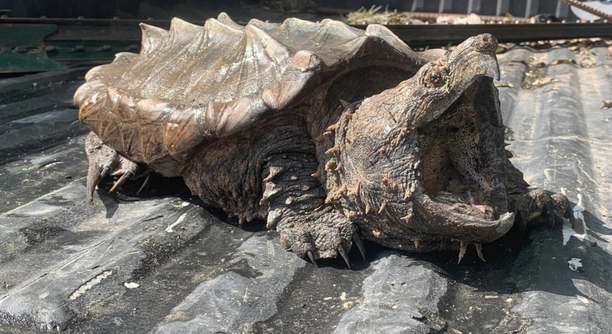
Alligator snapping turtles are fascinating creatures that need a balanced diet to stay healthy. Knowing what types of protein to feed them is important for their growth and overall well-being. This guide will help you choose the best protein options for your turtle.
The best proteins for alligator snapping turtles include fish, shrimp, worms, and certain types of meat. These proteins provide essential nutrients, promoting strong shells and healthy growth. Regularly rotating these protein sources helps keep their diet balanced and varied.
There are many protein options to explore that can ensure your alligator snapping turtle thrives. Understanding these protein types will help support your turtle’s health and development. Let’s break down the best choices in more detail.
Fish: A Natural Protein Source
Fish are an excellent protein source for alligator snapping turtles. They provide a mix of essential nutrients that help with growth and shell development. Freshwater fish such as goldfish, minnows, and tilapia are great options. These fish are easy to find and usually affordable, making them a popular choice. Be sure to remove any uneaten fish from the tank to maintain water quality. It’s important to vary the types of fish to avoid feeding them the same thing every day, which could lead to nutritional imbalances.
Feeding fish gives turtles the protein they need while also mimicking their natural diet. Just be cautious of overfeeding, as it can cause health problems like obesity.
The proteins found in fish provide energy for the turtle’s daily activities and help keep their immune system strong. Fish also have healthy fats, which support the turtle’s overall well-being. Since alligator snapping turtles are omnivores, offering them fish gives them the necessary nutrients they would find in the wild. Fish should be offered regularly but not exclusively, as variety is key to a balanced diet.
Shrimp: Another Protein Powerhouse
Shrimp are another great source of protein. They are rich in vitamins and minerals that promote overall health and help turtles grow strong.
Shrimp are also easy to find, and they can be fed raw or frozen. Like fish, shrimp should be part of a varied diet for your turtle. It’s a tasty option that will keep your turtle interested and satisfied.
Worms: A Favorite Protein Option
Worms are a natural food for alligator snapping turtles and a great protein option. Earthworms, nightcrawlers, and mealworms can be fed to your turtle to meet its dietary needs. These worms are packed with protein and essential fats, promoting strong muscle growth and good overall health. They are easy to find and can be fed live or frozen.
Worms provide a variety of nutrients that support the turtle’s immune system and growth. They also have a good balance of fiber, which aids digestion. Offering worms to your turtle ensures it gets a mix of vitamins and minerals. Worms are a highly digestible protein source that your turtle will enjoy.
Feeding worms regularly can help maintain your turtle’s energy levels and support a healthy shell. Since they’re natural prey for many aquatic species, offering worms also aligns with your turtle’s natural instincts. Keep in mind that feeding too many worms may cause obesity, so be sure to rotate their diet with other protein sources.
Meat: Protein from Land Animals
Feeding alligator snapping turtles meat can provide them with extra protein and variety. You can offer lean meats such as chicken, turkey, or beef. Be sure to cut the meat into small, bite-sized pieces to make it easy for your turtle to eat. Avoid feeding processed meats, as they can contain harmful preservatives.
Meat should be offered as an occasional treat, rather than a regular part of their diet. This ensures that your turtle gets a wide range of nutrients while not consuming too much fat. By offering lean meats, you can provide essential proteins that will help your turtle grow and thrive. While turtles do eat meat in the wild, it’s important to avoid making it the main source of food.
Meat offers a variety of essential nutrients like protein, iron, and vitamins. It also provides the energy needed for your turtle’s active lifestyle. However, too much meat may lead to health issues such as kidney strain. Always ensure you balance meat with other proteins like fish, shrimp, and worms for optimal health.
Crustaceans: A Natural Snack
Crustaceans, such as crayfish or crawfish, are another great protein option for your alligator snapping turtle. These creatures are packed with protein, vitamins, and minerals that support your turtle’s growth and development. They also provide natural enrichment, as turtles enjoy hunting and catching their food.
Crustaceans provide a solid mix of nutrients that benefit the turtle’s overall health. They also help stimulate natural behaviors, which is essential for keeping your turtle active and engaged. Feeding crustaceans can mimic the turtle’s wild diet, where they hunt similar prey.
Insects: Small but Powerful
Insects, like crickets and grasshoppers, are a good source of protein for alligator snapping turtles. They can be fed live, and your turtle will enjoy the hunting experience. These insects are high in protein and provide valuable nutrients like calcium and fiber.
Insects should be fed in moderation. While they are packed with protein, overfeeding can lead to an unbalanced diet. As part of a varied diet, insects can offer important vitamins and minerals that keep your turtle healthy. They are a great way to supplement their meals and ensure nutritional balance.
FAQ
What is the best protein for an alligator snapping turtle?
The best protein for alligator snapping turtles comes from a variety of sources. Fish, shrimp, worms, and lean meats like chicken and turkey are ideal options. These proteins offer a good balance of essential nutrients for the turtle’s growth and health. By rotating these proteins, you can ensure your turtle receives a well-rounded diet. It’s important to avoid overfeeding any single protein type, as too much of one can lead to an imbalance in their diet.
Can I feed my alligator snapping turtle only fish?
While fish is an excellent protein source, feeding your turtle only fish is not recommended. A varied diet is important for ensuring balanced nutrition. If you feed your turtle only fish, it may miss out on other essential nutrients that come from worms, shrimp, and meats. Offering a range of proteins is crucial for promoting healthy growth and shell development. Fish should be included as part of the diet but should be rotated with other food sources.
How often should I feed my alligator snapping turtle protein?
Alligator snapping turtles should be fed protein every other day. However, the frequency depends on the turtle’s age and activity level. Young turtles may need more frequent feedings, while older turtles can eat protein less often. For adults, feeding every 2-3 days is typically sufficient. Overfeeding can lead to obesity, so it’s important to monitor portion sizes. Also, providing vegetables and plant matter alongside protein will help ensure a balanced diet.
Can alligator snapping turtles eat insects?
Yes, alligator snapping turtles can eat insects. Insects like crickets, grasshoppers, and mealworms are high in protein and provide essential nutrients. However, insects should be offered in moderation as part of a varied diet. Too many insects can lead to an imbalance, so make sure to rotate them with other protein sources like fish and shrimp. Insects also encourage natural hunting behavior, keeping your turtle mentally stimulated.
Are there any protein sources I should avoid?
You should avoid feeding your alligator snapping turtle processed meats, such as sausages or deli meats. These can contain preservatives, salt, and other additives that are harmful to turtles. Additionally, avoid feeding turtles fatty meats like bacon or anything with excessive fat content. These can lead to health issues such as obesity or kidney problems. Stick to natural, lean protein sources like fish, shrimp, worms, and occasional meat cuts for a balanced diet.
Can I feed my turtle beef or chicken?
Yes, alligator snapping turtles can eat beef or chicken, but they should be offered in small, bite-sized pieces. Lean cuts of chicken or beef are best, as they are easier to digest. Avoid fatty cuts of meat or processed options like sausages, which may contain harmful additives. Chicken and beef should be offered as an occasional treat, not a daily food source, to ensure the turtle gets a balanced diet from other protein sources like fish and shrimp.
How do I make sure my turtle gets enough calcium?
Calcium is crucial for an alligator snapping turtle’s shell and bone health. To ensure they get enough calcium, offer them a varied diet that includes calcium-rich foods. Fish with edible bones (such as minnows or sardines) can help. You can also supplement their diet with a calcium powder. Make sure to provide plenty of plant matter, such as leafy greens, which are high in calcium. Additionally, providing cuttlebone in the tank can allow the turtle to nibble on it as needed.
Can I feed my turtle frozen food?
Yes, you can feed your alligator snapping turtle frozen food. Frozen shrimp, fish, or even worms are acceptable options, as long as they are thawed properly before feeding. Avoid feeding them frozen food that has been sitting out too long or that has been refrozen. Always ensure the food is fresh and safe. While live food is great for enrichment, frozen options are an excellent alternative when live prey isn’t available or convenient.
What types of fish should I feed my turtle?
Fish like goldfish, minnows, tilapia, and guppies are ideal for alligator snapping turtles. They provide essential proteins, fats, and vitamins for the turtle’s health. Be cautious when feeding live fish like goldfish, as they can carry parasites. It’s a good idea to freeze live fish for 24 hours before feeding them to kill any potential parasites. Variety is key, so don’t feed the same type of fish every day, as it could lead to nutritional deficiencies.
Is there anything I should avoid feeding my turtle?
There are several foods you should avoid feeding your alligator snapping turtle. Do not feed them dairy products, as turtles cannot digest lactose. Avoid feeding them toxic foods like onions, garlic, or avocado, as these can harm their digestive system. Also, steer clear of processed or fast food items, which can cause health issues. It’s best to stick to fresh, natural foods like fish, shrimp, worms, and lean meats.
How can I tell if my turtle is eating enough protein?
You can tell if your turtle is eating enough protein by monitoring its growth, shell condition, and energy levels. If your turtle seems lethargic or its shell is soft or deformed, it could be a sign of insufficient protein. Additionally, keep track of how much food is left after each meal. If there’s always food left, you may need to reduce the amount or offer more variety. If your turtle is eating all of its food regularly and showing healthy growth, it’s likely getting enough protein.
Should I feed my turtle live or dead food?
Both live and dead food are acceptable for alligator snapping turtles. Live food, such as live fish or insects, can encourage natural hunting behaviors, which is beneficial for the turtle’s mental and physical health. However, feeding dead or frozen food is easier and more practical, especially when live food is not available. If feeding live food, be sure the prey is appropriately sized for the turtle to avoid stress or injury.
Final Thoughts
Alligator snapping turtles require a balanced and varied diet to stay healthy. Protein is an essential part of their diet, and it’s important to provide them with a mix of options. Fish, shrimp, worms, and lean meats are all great protein sources that can support their growth and shell development. Each protein source brings its own set of nutrients, so offering variety is key. Ensuring your turtle gets different types of protein will help mimic its natural diet and provide all the necessary vitamins and minerals.
While protein is important, it’s also essential to include other food sources in their diet. Vegetables and plant matter should be part of their regular meals. These will provide necessary fiber, vitamins, and minerals that protein alone cannot supply. The combination of protein and plant-based foods creates a well-rounded diet that supports their overall health. Don’t forget to occasionally supplement their food with calcium to help maintain a strong shell and healthy bones. A turtle’s health depends on balancing different food groups, so variety truly matters.
Lastly, it’s crucial to avoid overfeeding or offering the same protein source too often. Consistency in providing different proteins, along with proper portion sizes, is the best approach. Keep an eye on your turtle’s weight, activity level, and shell condition to ensure its diet is meeting its needs. By rotating food choices, you help prevent any one nutrient from overwhelming the turtle’s system. Your alligator snapping turtle’s diet plays a significant role in its health, so taking the time to plan it thoughtfully will lead to a happier, healthier pet.

Hello,
If you enjoy the content that we create, please consider saying a "Thank You!" by leaving a tip.
Every little bit helps us continue crafting quality advice that supports the health, happiness, and well-being of pets around the world, for pets of all shapes, sizes, and species.
We really appreciate the kindness and support that you show us!