
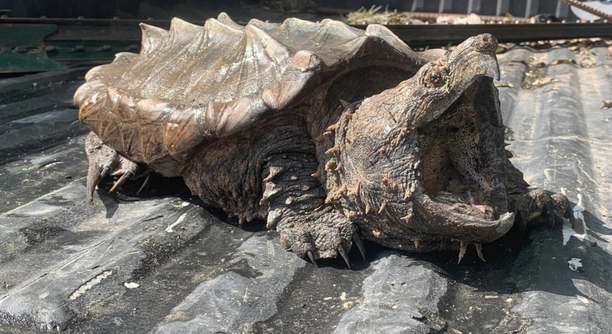
If your alligator snapping turtle is refusing to eat, it can be concerning. Understanding the reasons behind this behavior is key to addressing it effectively. Let’s explore simple solutions that can help get your turtle eating again.
The most common reason for an alligator snapping turtle refusing food is stress, which can stem from changes in its environment, temperature, or diet. Ensuring a stable habitat with appropriate water temperature, lighting, and a varied diet can encourage eating.
There are easy steps you can take to encourage your turtle to eat. In the following sections, we will walk through some helpful fixes to get your alligator snapping turtle back to its regular feeding routine.
Check the Water Temperature
A common reason your alligator snapping turtle may refuse food is the water temperature. Turtles are cold-blooded creatures, so their digestion is highly dependent on the water temperature. If the water is too cold, they may feel lethargic and lose their appetite. The ideal temperature for an alligator snapping turtle is between 75°F and 80°F. If the water is below 70°F, they may not want to eat at all.
It’s important to invest in a reliable aquarium heater to maintain a consistent water temperature. Without proper heating, your turtle will struggle to digest food properly, leading to a lack of interest in eating.
Make sure to check the water temperature regularly with a thermometer. If it falls out of the desired range, adjust it immediately. Providing a stable, warm environment will ensure that your alligator snapping turtle feels comfortable and ready to eat. If the temperature is right and they’re still not eating, consider other factors that could be causing stress or discomfort.
Offer a Variety of Foods
Sometimes, the problem is as simple as the diet. If your alligator snapping turtle isn’t eating, try offering a variety of foods to spark its interest. Alligator snapping turtles are opportunistic eaters, and they may refuse food if it’s not appealing enough. Try offering different types of meat, such as fish, worms, or even chicken. You can also try commercial turtle pellets, which may include more vitamins and nutrients.
If your turtle is used to one type of food and suddenly rejects it, it may be tired of eating the same thing. Experiment with different textures and flavors. Offering food from different sources can keep their diet more exciting and help re-stimulate their appetite. Be patient as it may take a few attempts for your turtle to show interest. If they continue to refuse food, the next step is to look at environmental factors that may be impacting their behavior.
Ensure Proper Lighting
Alligator snapping turtles require proper lighting to thrive. If the lighting in their habitat is insufficient, it can affect their appetite and overall well-being. UVB light is essential for their metabolism and digestion, so make sure your turtle has access to full-spectrum lighting.
A lack of proper lighting can lead to vitamin deficiencies, which may cause your turtle to lose interest in food. Be sure to have a UVB light source for 10-12 hours a day. Additionally, proper basking light will help them regulate their body temperature, keeping them more active and likely to eat.
If the lighting is inadequate, your turtle may become sluggish and stressed, further impacting its eating habits. Set up a lighting schedule and ensure that your turtle’s tank is getting the right amount of light. Consistent lighting will help them feel more comfortable, and eating will become a normal part of their routine again.
Check for Illness or Injury
Health problems can lead to a turtle refusing food. If your alligator snapping turtle is sick or injured, it may not have the energy or desire to eat. Pay attention to any signs of illness, such as swelling, cuts, or lethargy.
Illnesses like respiratory infections, shell rot, or digestive issues can all impact your turtle’s ability to eat. If you notice any abnormal behavior, such as staying in one spot or breathing heavily, it’s important to take your turtle to a vet who specializes in reptiles. This way, you can get a clear diagnosis and treatment plan.
Addressing health concerns early is crucial. A turtle that refuses food may be signaling that something is wrong, and medical attention could be needed to prevent more serious complications. Don’t ignore any symptoms, as early intervention can make a significant difference in their recovery and appetite.
Create a Quiet and Calm Environment
Stress can have a big impact on your turtle’s eating habits. A noisy or busy environment may cause anxiety and make them less likely to eat. It’s essential to keep their habitat calm and quiet to help them feel secure.
If your turtle’s tank is in a high-traffic area, consider moving it to a quieter spot. This can create a more peaceful atmosphere and encourage your turtle to eat. Reducing stress will allow them to focus on eating and exploring their environment, rather than feeling threatened or anxious.
#
Keep Your Turtle’s Tank Clean
A dirty tank can lead to health problems, which may make your alligator snapping turtle lose its appetite. Make sure to regularly clean the tank and change the water to keep the environment healthy.
Dirty water can lead to bacteria or parasites that may affect your turtle’s digestive system. Over time, poor water quality can stress your turtle and prevent them from eating. Regular maintenance will not only help them feel better but also encourage normal eating habits.
Avoid Overfeeding
Overfeeding your turtle can make them less interested in food. If your turtle is being given too much food, they may simply be full and not interested in eating again. It’s important to follow proper feeding guidelines.
When feeding your alligator snapping turtle, offer a balanced amount of food to prevent overfeeding. It’s better to feed them small amounts more frequently, rather than giving them too much at once. This approach will help keep their digestive system healthy and encourage them to eat regularly without feeling overwhelmed.
FAQ
Why is my alligator snapping turtle not eating?
There are several potential reasons why your alligator snapping turtle may not be eating. Common causes include poor water temperature, insufficient lighting, stress, or health issues. Turtles are sensitive to environmental changes, and if anything in their habitat is off, it can affect their appetite. Check for signs of illness, ensure their environment is clean, and maintain a stable water temperature between 75°F and 80°F. If the problem persists, it may be worth consulting a vet who specializes in reptiles.
How do I know if my turtle is sick?
If your alligator snapping turtle is sick, you may notice changes in behavior, such as lethargy, staying in one spot, or avoiding the water. Other signs of illness include difficulty swimming, swollen eyes, wheezing, or a lack of interest in food. Look for physical signs like cuts, sores, or a soft shell. If you notice any unusual symptoms, it’s important to take your turtle to a vet for a proper diagnosis.
Can stress cause my turtle to stop eating?
Yes, stress can cause your alligator snapping turtle to refuse food. Turtles can become stressed from environmental changes, such as a noisy area, unfamiliar objects in their tank, or a lack of hiding spots. Even a change in routine, like moving their tank or introducing new pets, can cause anxiety. Make sure their habitat is peaceful, with dim lighting and minimal disturbances. Stress-free turtles are more likely to eat regularly.
What should I feed my alligator snapping turtle?
Alligator snapping turtles are carnivores and prefer a diet high in protein. They eat fish, insects, worms, and even small amphibians. You can also feed them commercial turtle pellets, which are often formulated with the right nutrients. Occasionally, you can offer some plant-based food, like leafy greens, but meat should be their primary food source. Offering a variety of foods can help stimulate their appetite.
How often should I feed my alligator snapping turtle?
Feeding frequency depends on the age and size of your alligator snapping turtle. Younger turtles should be fed every day, while adults can be fed every other day. Overfeeding can lead to health issues, so it’s important to provide a balanced amount of food each time. You should feed them small portions and monitor their appetite to ensure they’re eating the right amount.
Can a dirty tank make my turtle refuse food?
Yes, a dirty tank can cause your turtle to avoid food. Poor water quality can lead to stress, bacterial growth, or parasites that affect your turtle’s health. Regular tank maintenance is crucial. Change the water frequently, clean the tank to remove waste, and check for any signs of contamination. A clean and healthy environment will make your turtle feel more comfortable and encourage eating.
How can I make sure my turtle has the right water temperature?
To maintain the right water temperature for your alligator snapping turtle, invest in a quality aquarium heater. The water temperature should stay between 75°F and 80°F for optimal digestion and health. Use a thermometer to monitor the temperature and ensure it doesn’t fall below 70°F, as this can make your turtle lethargic and less likely to eat.
Is it normal for my turtle to refuse food after a move?
It’s normal for your alligator snapping turtle to refuse food after a move. Turtles are sensitive to changes in their environment, and moving can cause stress or discomfort. It may take a few days for your turtle to adjust to their new surroundings. Be patient and make sure their new habitat is stable and calming to encourage eating again.
Can I feed my turtle live food?
Yes, live food can be a great addition to your alligator snapping turtle’s diet. Live fish, insects, and worms can provide the stimulation and excitement that will encourage them to eat. However, ensure the live food is free of parasites or chemicals. You should also avoid overfeeding live prey, as it can lead to unhealthy feeding habits.
How can I help my turtle adjust to a new food?
If your alligator snapping turtle refuses food, try offering new food gradually. Some turtles can be picky, so introducing a variety of foods can help. You can also try different textures, such as soft versus hard food, to see what your turtle prefers. Start with small amounts and observe their reactions to new foods. If they continue to refuse, check environmental factors like lighting and water temperature to rule out other issues.
Final Thoughts
When your alligator snapping turtle refuses to eat, it can be concerning, but there are many factors to consider. The first step is to examine the environment. Water temperature, lighting, and cleanliness all play significant roles in your turtle’s well-being and appetite. Ensuring that the water temperature stays between 75°F and 80°F, and that there is proper UVB lighting, can make a big difference. Stress also affects their behavior, so creating a calm and quiet space for your turtle is essential for them to feel comfortable enough to eat.
If environmental adjustments don’t solve the problem, consider the food itself. Alligator snapping turtles are carnivores and may lose interest in food if it’s not fresh or varied enough. Offering a mix of meats like fish, worms, and even chicken can tempt them to eat. Occasionally, introducing commercial turtle pellets or plant matter might spark curiosity, but meat should always be the main focus of their diet. Avoid overfeeding, as too much food can make your turtle less likely to eat when it’s time for their next meal.
Lastly, remember that health issues may be the cause. If your turtle shows signs of illness, such as lethargy, swollen eyes, or difficulty swimming, it’s time to consult with a vet. A sick turtle will often stop eating, and treating the illness is the key to restoring their appetite. Monitoring your turtle’s overall behavior and physical health will help you catch any problems early. With a bit of patience and observation, most feeding issues can be resolved. By providing the right environment, food, and care, your alligator snapping turtle should return to its normal eating habits in no time.

Hello,
If you enjoy the content that we create, please consider saying a "Thank You!" by leaving a tip.
Every little bit helps us continue crafting quality advice that supports the health, happiness, and well-being of pets around the world, for pets of all shapes, sizes, and species.
We really appreciate the kindness and support that you show us!