
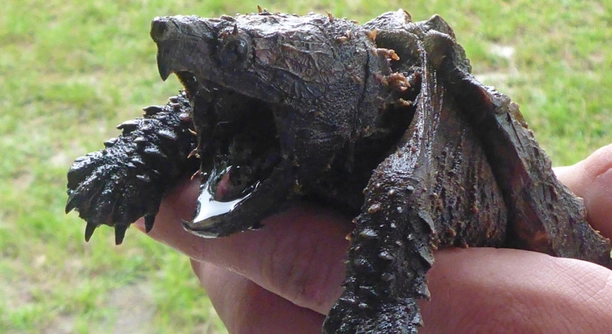
Is your alligator snapping turtle staying still for long periods, making you wonder if something is wrong? These turtles are known for their sluggish behavior, but sometimes, prolonged inactivity can be a sign of an underlying issue.
The most common reason your alligator snapping turtle is not moving is due to cold temperatures. These turtles are ectothermic, meaning they rely on external heat sources to regulate their body temperature. If the water or basking area is too cold, they may become lethargic.
Understanding the possible causes can help ensure your turtle’s health and well-being. From temperature issues to illness, knowing what to look for can make all the difference in keeping your pet active and thriving.
Cold Temperatures and Inactivity
Alligator snapping turtles depend on their environment to regulate body temperature. If the water or basking area is too cold, their metabolism slows down, leading to inactivity. This is a natural response, but if temperatures stay too low for too long, it can cause health problems. Ensuring the water stays between 75-80°F and providing a proper basking spot can help keep your turtle active. A high-quality heat lamp and a reliable aquarium heater are essential for maintaining consistent warmth. Checking the temperature regularly ensures your turtle remains comfortable and avoids unnecessary sluggishness.
If your turtle remains motionless despite proper heating, other factors could be at play. Stress, illness, or even a poor diet might contribute to inactivity. Observing its behavior closely and making necessary adjustments can improve its well-being. Simple changes to the habitat and routine can make a noticeable difference in activity levels.
Monitoring your turtle’s environment is crucial for its health. A sudden drop in temperature can lead to a weakened immune system, increasing the risk of infections. Consistent warmth helps prevent these issues and encourages normal behavior. If adjusting the temperature doesn’t help, consider other potential causes and consult a reptile specialist for further guidance.
Illness and Lethargy
A sick alligator snapping turtle may become inactive, refusing to move even when disturbed. Common health concerns include respiratory infections, parasites, and vitamin deficiencies. Lethargy, along with other symptoms like swelling, wheezing, or lack of appetite, could indicate a serious problem requiring immediate attention.
Respiratory infections are often caused by poor water quality or incorrect temperatures. A turtle with an infection may float unevenly, have mucus around its mouth, or struggle to breathe. Parasites, on the other hand, can drain energy and cause discomfort, leading to inactivity. If you suspect an infection or parasites, seeking veterinary care is the best option. A proper diagnosis ensures the right treatment, preventing further complications.
A well-balanced diet plays a big role in preventing health issues. Deficiencies in vitamins A and D can lead to sluggish behavior and other problems. Providing a varied diet with fresh fish, insects, and vitamin supplements keeps your turtle strong. Regular vet checkups and a clean habitat help maintain overall health, reducing the risk of illness and inactivity.
Poor Water Quality
Dirty water can make an alligator snapping turtle sluggish and unresponsive. Ammonia, nitrites, and bacteria build up over time, affecting its health. Regular water changes, a strong filtration system, and water testing help maintain a clean and safe environment for your turtle.
Turtles produce a lot of waste, and without proper filtration, toxins accumulate quickly. High ammonia levels can irritate their eyes and skin, leading to stress and inactivity. Using a high-quality filter rated for at least twice the tank size helps keep the water clean. Partial water changes of 25-50% every week also prevent harmful buildups. Adding live plants can help improve water quality by absorbing nitrates and providing additional oxygen.
Maintaining water parameters is just as important as cleanliness. The ideal pH level should be between 6.8 and 7.5. If the water is too acidic or too alkaline, it can cause irritation and discomfort. Testing the water weekly with a reliable kit ensures that ammonia, nitrites, and nitrates remain at safe levels. If water conditions are poor, your turtle may stop moving as a response to stress or illness. Keeping the tank clean and balanced helps promote healthy activity levels and prevents long-term health issues.
Stress and Environment Changes
Sudden changes in the habitat can cause stress, leading to a lack of movement. A new tank, unfamiliar surroundings, or even loud noises can make a turtle feel uneasy. Providing a stable, quiet environment with plenty of hiding spots helps reduce stress and encourages normal behavior.
Alligator snapping turtles need a secure and well-structured habitat to feel comfortable. A tank that is too small, overcrowded, or lacking proper hiding areas can make them feel exposed and unsafe. This stress can lead to prolonged inactivity and even refusal to eat. A spacious enclosure with natural elements like rocks, driftwood, and shaded areas allows them to retreat when needed. Keeping tank decorations consistent also helps them feel more at ease.
Handling your turtle too often or introducing new tank mates can also be stressful. These turtles prefer minimal interaction and thrive best when left undisturbed. If your turtle recently experienced a move, give it time to adjust. Ensuring a stable, well-maintained habitat with minimal disruptions will help your turtle regain its normal activity levels.
Lack of Proper Nutrition
A poor diet can lead to lethargy and weakness in alligator snapping turtles. They need a mix of protein, vitamins, and minerals to stay active. Feeding them a varied diet of fish, insects, and occasional plant matter ensures they get the nutrients they need.
Overfeeding or providing low-quality food can also cause health problems. Fatty foods or an unbalanced diet may lead to obesity or vitamin deficiencies, making the turtle sluggish. Offering high-protein foods like earthworms, shrimp, and crayfish, along with calcium supplements, helps maintain proper energy levels and overall health.
Age-Related Slowness
Older alligator snapping turtles naturally slow down as they age. Their metabolism decreases, and they become less active compared to younger turtles. This is a normal part of aging and doesn’t always indicate a health issue. Providing a comfortable environment and proper nutrition helps them stay as active as possible.
When to Seek Veterinary Help
If inactivity persists despite proper care, a vet visit is necessary. Unexplained lethargy, refusal to eat, or signs of illness like swelling or breathing difficulties should not be ignored. A reptile specialist can diagnose underlying health problems and provide the right treatment to ensure your turtle’s well-being.
FAQ
Why isn’t my alligator snapping turtle moving?
Alligator snapping turtles may not move due to cold temperatures, poor water quality, stress, or illness. If the water is too cold or their basking area lacks proper heating, they can become lethargic. Dirty water can also lead to stress, causing inactivity. Ensuring a clean habitat and maintaining proper temperature conditions are essential for keeping them active. If these factors are in place and the turtle still shows signs of lethargy, it might be sick or under stress. Monitoring behavior and consulting a vet can help identify the problem.
How do I know if my turtle is stressed?
Signs of stress in alligator snapping turtles include not eating, hiding more than usual, and remaining motionless for long periods. Stress can be caused by changes in their environment, overhandling, or incompatible tank mates. If your turtle is constantly hiding, has trouble swimming, or shows no interest in food, these could be indicators of stress. Reducing disturbances, providing hiding spots, and maintaining a stable tank environment can help reduce stress.
Can my alligator snapping turtle die from being too cold?
Yes, exposure to cold temperatures can be dangerous for alligator snapping turtles. They are ectothermic, meaning their body temperature is regulated by the surrounding environment. If the water is too cold (below 60°F), it can cause them to become lethargic or even suffer from respiratory infections. Keeping the water temperature within the optimal range of 75-80°F and providing a heat lamp for basking is essential to prevent cold-related issues. If they stay too cold for too long, it can be fatal.
How can I improve the water quality for my snapping turtle?
Maintaining water quality is crucial for your turtle’s health. A reliable filtration system helps remove waste and toxins, while regular water changes are necessary to keep ammonia and nitrites at safe levels. Testing the water weekly with a kit can help you monitor the pH, temperature, and chemical balance. You should also remove uneaten food and clean the substrate to prevent it from accumulating dirt. Adding live plants can help absorb excess nutrients, improving water quality.
What should I feed my alligator snapping turtle?
A varied diet of protein and occasional plant matter is ideal for alligator snapping turtles. They enjoy a diet of fish, shrimp, insects, and occasional plants like lettuce or aquatic plants. A mix of protein ensures they get the nutrients needed for energy and growth. You can also offer calcium supplements to support shell health. Avoid feeding them too much fatty food or low-quality items, as this can lead to obesity or vitamin deficiencies.
How often should I feed my alligator snapping turtle?
Feeding frequency depends on the age and size of your turtle. Juveniles and young turtles typically eat more often, about 3-4 times a week. As they grow, adults may only need to be fed once or twice a week. Overfeeding can lead to obesity and health issues, so it’s important to avoid giving too much food. Adjust the amount based on your turtle’s size, activity level, and overall health.
Why does my turtle float sideways or upside down?
If your alligator snapping turtle floats sideways or upside down, it could be a sign of buoyancy issues, often caused by an infection or injury. It might also indicate that the turtle has a gas buildup, often from poor water quality or eating food too quickly. If the problem persists, it’s best to consult a vet. In some cases, respiratory infections can cause difficulty with swimming, leading to an abnormal float.
Can I keep multiple alligator snapping turtles together?
Alligator snapping turtles can be aggressive and territorial, especially as they mature. While it is possible to keep multiple turtles together, it’s important to provide plenty of space and hiding spots. Overcrowding can lead to stress, fighting, and injury. If you plan on housing multiple turtles, ensure the tank is large enough (at least 100 gallons for each turtle) and monitor their behavior for signs of aggression.
How long do alligator snapping turtles live?
Alligator snapping turtles can live for a long time, often 30-50 years in captivity with proper care. In the wild, their lifespan is slightly shorter due to natural predators and environmental factors. To help your turtle live a long and healthy life, maintain a stable environment, provide a balanced diet, and take them for regular vet check-ups.
What temperature should the water be for my alligator snapping turtle?
The ideal water temperature for an alligator snapping turtle should be between 75-80°F. If the water is too cold, your turtle may become sluggish and may not eat or move much. If it’s too warm, it can cause stress or even lead to overheating. A reliable aquarium heater is essential for keeping the temperature stable. You should also have a basking spot around 85-90°F for your turtle to regulate its body temperature.
Understanding why your alligator snapping turtle is not moving can be frustrating, but it’s important to keep in mind that there are several factors at play. It’s natural for these turtles to be more sluggish during colder weather or when their environment is not ideal. In some cases, inactivity may be due to stress, poor water quality, or even health issues. By paying attention to temperature, water conditions, and providing a stable environment, you can reduce the chances of your turtle becoming lethargic.
If you’ve made adjustments to their habitat, like improving water quality or ensuring a proper temperature range, and your turtle is still not moving, it’s worth considering other causes. Illness or injury may be factors that need to be addressed by a vet. Stress from environmental changes, improper handling, or even the presence of other aggressive turtles can also lead to inactivity. Regularly monitoring your turtle’s behavior and environment is key to identifying and solving the issue. In some cases, small changes like adjusting the tank setup or reducing noise and handling can make a significant difference.
Ultimately, it’s important to stay patient and observant. These turtles can go through phases of inactivity, especially as they mature or experience changes in their environment. However, if the inactivity continues or is accompanied by signs of illness, seeking professional help is the best course of action. By ensuring proper care, a balanced diet, and maintaining a clean and comfortable environment, you will give your alligator snapping turtle the best chance for a long, healthy, and active life.

Hello,
If you enjoy the content that we create, please consider saying a "Thank You!" by leaving a tip.
Every little bit helps us continue crafting quality advice that supports the health, happiness, and well-being of pets around the world, for pets of all shapes, sizes, and species.
We really appreciate the kindness and support that you show us!