
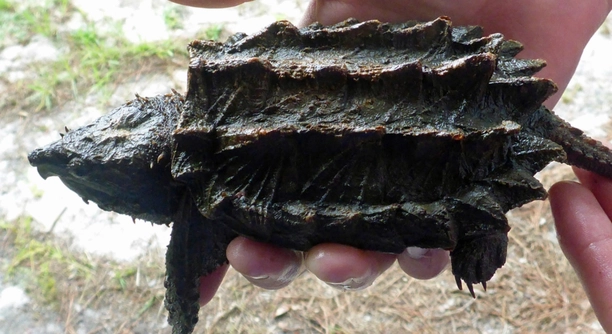
Is your alligator snapping turtle always hiding, making it hard to enjoy watching it? Understanding why this happens can help you create a more comfortable environment for your pet and encourage it to come out more often.
The most common reason your alligator snapping turtle is always hiding is stress caused by environmental factors. Improper lighting, water conditions, tank setup, or even loud noises can make your turtle feel unsafe, leading it to retreat into hiding.
Creating the right habitat and ensuring your turtle feels secure will help reduce hiding behavior. Learning about these factors can improve your pet’s well-being and make it more comfortable in its space.
Your Turtle Feels Unsafe
Alligator snapping turtles need a secure environment to feel comfortable. If their tank setup lacks proper hiding spots, they may feel exposed and stressed. Bright lights, sudden movements, or even other pets can make them retreat for safety. Ensuring a well-structured tank with shaded areas helps them feel more at ease.
A turtle that feels unsafe will spend most of its time hiding. This can happen if the tank is too open, if there are frequent disturbances, or if the water conditions are poor. Making a few adjustments can significantly improve your turtle’s behavior.
Providing plants, caves, and logs in the tank allows your turtle to feel protected. Keep the tank in a quiet area, away from loud noises or sudden activity. If your turtle is new to the habitat, give it time to adjust. A secure and comfortable setup encourages natural movement and exploration.
The Tank Setup Is Incorrect
Tank setup plays a big role in your turtle’s behavior. If the environment is not suitable, your turtle may hide more than usual. Factors like incorrect temperature, poor water quality, or a lack of hiding spots can lead to stress and inactivity.
A proper tank should have clean, filtered water and a basking area with the right temperature. The water should be deep enough for swimming but not so deep that your turtle struggles to reach the surface. Additionally, a UVB light is necessary for overall health, preventing lethargy and excessive hiding.
Adding natural elements like rocks, driftwood, and aquatic plants creates a more engaging space. These features provide shelter and help mimic your turtle’s natural habitat. Regular maintenance, such as cleaning the water and checking temperature levels, ensures the environment stays suitable. A well-maintained tank helps your turtle feel comfortable and encourages normal activity.
The Water Conditions Are Poor
Dirty or unbalanced water can cause stress, making your turtle hide more often. Ammonia, nitrate buildup, or improper pH levels can negatively affect your turtle’s health. Regular water changes and a high-quality filtration system are essential for maintaining a clean and stable environment.
A strong filtration system helps remove waste and toxins that can make your turtle uncomfortable. Testing the water regularly ensures that ammonia and nitrate levels stay low. The ideal pH range for an alligator snapping turtle is between 6.5 and 7.5. If the water is too acidic or alkaline, it can cause irritation and stress. Keeping the temperature stable, between 75-80°F, also prevents sudden behavioral changes. Poor water conditions may lead to health issues, causing your turtle to hide as a defense mechanism.
To improve water quality, perform partial water changes every week. Remove uneaten food and waste promptly to prevent bacterial growth. If your turtle is hiding excessively, check for signs of illness, such as swollen eyes or lethargy. Adjusting the water parameters and ensuring a clean tank will make your turtle feel more at ease. A comfortable habitat promotes natural behaviors, reducing the need for constant hiding.
Your Turtle Is Not Used to Its Environment
A new environment can make an alligator snapping turtle feel unsure. If the habitat has changed recently, it may take time to adjust. Moving to a new tank or experiencing sudden changes in surroundings can lead to hiding until the turtle feels comfortable.
New turtles often need several weeks to adapt. During this period, it is normal for them to stay hidden. Loud noises, frequent handling, or unfamiliar tank decorations may make them feel unsafe. Allowing your turtle time to explore at its own pace helps it settle in. Reducing stress by minimizing sudden changes in lighting or movement also encourages a sense of security.
Creating a stable and predictable environment helps your turtle feel more at home. Avoid rearranging the tank too often, as consistency is key. If your turtle continues hiding for a long time, check for other issues like incorrect water conditions or lack of proper shelter. Once your turtle feels secure, it will begin to move around more freely.
Your Turtle Is Nocturnal
Alligator snapping turtles are more active at night, which means they may hide during the day. Their natural instincts make them prefer dark, quiet spaces. If your turtle seems inactive during daylight hours, it may simply be following its natural behavior.
Providing dim lighting or shaded areas in the tank allows your turtle to feel secure. Avoid excessive handling or disruptions during the day. If you observe your turtle at night, you may notice it becoming more active, exploring its surroundings, and searching for food.
Your Turtle Is Feeling Unwell
Illness can make a turtle hide more than usual. Respiratory infections, shell rot, and vitamin deficiencies may cause discomfort, leading to prolonged hiding. Lethargy, swollen eyes, and difficulty breathing are signs that something may be wrong. Poor diet and inadequate UVB exposure can also weaken the immune system, increasing the risk of illness.
Your Turtle Is Overfed
Overfeeding can lead to sluggish behavior, making your turtle less active. Excess food can also cause water pollution, leading to poor conditions that may encourage hiding. Feeding the right amount and maintaining a balanced diet helps keep your turtle healthy and active.
FAQ
Why does my alligator snapping turtle hide all day?
Alligator snapping turtles are naturally shy and prefer staying hidden, especially during the day. In the wild, they rely on camouflage to avoid predators. If your turtle hides constantly, it may feel unsafe due to bright lighting, loud noises, or frequent disturbances. Creating a secure environment with proper hiding spots helps it feel more comfortable.
Is it normal for a new alligator snapping turtle to hide?
Yes, a new turtle often hides as it adjusts to its surroundings. Moving to a new habitat can be stressful, and hiding is a natural response. It may take a few weeks for your turtle to feel comfortable enough to explore. Keeping the tank quiet and minimizing sudden changes can help it settle in faster.
How can I encourage my turtle to come out more?
Providing a well-structured tank with caves, plants, and shaded areas can make your turtle feel secure enough to come out. Maintaining proper water conditions, keeping the temperature stable, and reducing loud noises also help. Avoid excessive handling, as this can cause stress and make your turtle retreat even more.
Does temperature affect my turtle’s hiding behavior?
Yes, incorrect temperature can make your turtle hide more often. If the water is too cold, your turtle may become sluggish and stay hidden. The ideal water temperature is between 75-80°F, while the basking area should be around 85-90°F. Using a reliable heater and UVB light ensures the right conditions.
Could my turtle be hiding due to illness?
Yes, illness can cause a turtle to hide more than usual. Respiratory infections, shell rot, or vitamin deficiencies may lead to lethargy and discomfort. If your turtle is not eating, has swollen eyes, or is breathing with difficulty, consult a reptile veterinarian. A healthy turtle should show normal activity levels.
Do alligator snapping turtles need a hiding spot in their tank?
Yes, providing a hiding spot is essential for their well-being. Even if your turtle hides frequently, having a safe space reduces stress and helps it feel secure. Caves, driftwood, or large rocks create good hiding areas while allowing your turtle to feel protected in its environment.
Why is my turtle hiding after a water change?
A sudden water change can make your turtle feel unsettled. If the temperature or pH levels change too quickly, your turtle may retreat until it adjusts. Gradually changing the water instead of replacing it all at once can help prevent stress and encourage normal behavior.
Can tank mates make my turtle hide more?
Yes, tank mates can sometimes cause stress, leading your turtle to hide. Alligator snapping turtles are solitary by nature and may feel threatened by other animals in their space. If you notice signs of aggression or stress, it’s best to keep your turtle in its own tank.
How long do alligator snapping turtles stay hidden?
The length of time a turtle stays hidden depends on the individual and its environment. Some turtles hide for a few hours, while others may spend most of the day in their shelter. If your turtle is eating well and appears healthy, occasional hiding is normal behavior.
Does lighting affect how much my turtle hides?
Yes, too much or too little light can impact your turtle’s behavior. Bright lighting can make your turtle feel exposed, causing it to retreat. Using a low-intensity light and providing shaded areas ensures a balanced environment. A UVB light is necessary for health but should not be too harsh.
Can stress make my turtle hide all the time?
Yes, stress is one of the main reasons a turtle may hide excessively. Loud noises, sudden movements, frequent handling, or poor water conditions can all contribute to stress. Reducing disturbances and ensuring a stable environment can help your turtle feel more at ease and come out more often.
Should I be worried if my turtle hides for long periods?
If your turtle is eating well and appears healthy, there is usually no need for concern. However, if it refuses food, shows signs of illness, or hides excessively for weeks without exploring, check the water conditions and temperature. If the behavior continues, consult a reptile veterinarian.
What should I do if my turtle never comes out?
First, check the tank conditions, including water quality, temperature, and lighting. Make sure your turtle has a secure yet comfortable environment. If everything is set up correctly and your turtle still never comes out, observe for signs of illness or stress. A vet visit may be necessary if the behavior persists.
Final Thoughts
Alligator snapping turtles are naturally shy and tend to hide, especially if their environment does not feel secure. Factors like improper lighting, poor water conditions, and sudden changes in their surroundings can make them retreat more often. It is important to create a well-balanced habitat that meets their needs. Providing proper hiding spots, keeping noise levels low, and maintaining the right temperature can help reduce stress. If your turtle is hiding too much, small adjustments in the tank setup can make a big difference in its behavior.
Observing your turtle’s behavior is the best way to understand if something is wrong. Occasional hiding is normal, but if your turtle stays hidden for long periods, it could be a sign of illness or discomfort. Checking the water quality, diet, and overall tank conditions can help identify potential problems. If your turtle shows signs of illness, such as lethargy or loss of appetite, consulting a reptile veterinarian is the best option. Making sure your turtle gets proper care will improve its health and encourage normal activity.
Every turtle has its own personality, and some may hide more than others. Patience is key when helping your pet feel comfortable in its environment. A well-maintained tank, a consistent routine, and minimal stress will encourage your turtle to be more active. While hiding is a natural behavior, ensuring your turtle has everything it needs will promote a healthy and happy life. By paying attention to its habits and making necessary improvements, you can create a space where your turtle feels safe and confident to explore.

Hello,
If you enjoy the content that we create, please consider saying a "Thank You!" by leaving a tip.
Every little bit helps us continue crafting quality advice that supports the health, happiness, and well-being of pets around the world, for pets of all shapes, sizes, and species.
We really appreciate the kindness and support that you show us!