
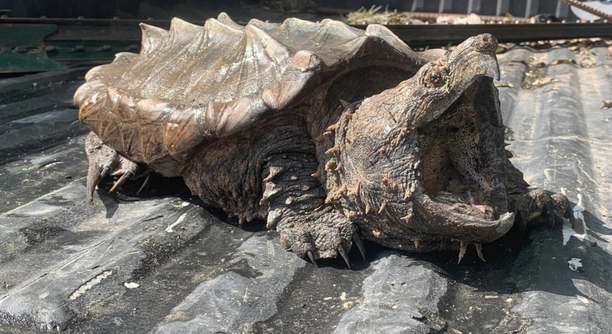
Alligator snapping turtles are unique and fascinating creatures, but when their shell turns white, it can be worrying. Understanding what causes this change is essential for ensuring their well-being.
White spots or discoloration on an alligator snapping turtle’s shell can be due to factors like poor diet, infections, or environmental stress. This condition may also result from fungal or bacterial infections, or improper care and habitat conditions.
There are different reasons why the shell of your alligator snapping turtle may turn white. By identifying the cause, you can take steps to help your turtle recover and thrive.
Common Causes of White Shell Discoloration
One of the most common reasons for white patches on your alligator snapping turtle’s shell is a fungal or bacterial infection. These infections can lead to soft spots, discoloration, or a change in the shell’s texture. Infections often occur when a turtle’s habitat is not properly maintained. If the water isn’t clean or if the temperature and humidity levels fluctuate too much, bacteria or fungi can thrive, affecting the turtle’s health. Another potential cause is improper lighting. Turtles require UVB light to help their shells stay healthy and to support calcium absorption. Without it, their shells may begin to degrade or show signs of discoloration, including white spots.
When an infection is present, you might notice more than just white patches. The shell may also become soft, cracked, or have visible lesions. It’s important to address the issue quickly to prevent further damage.
White spots can also signal a calcium deficiency in your turtle’s diet. Turtles need a balanced diet with proper nutrients to maintain strong and healthy shells. Without enough calcium, their shells can weaken and develop discoloration. If this is the case, consider adjusting the diet to ensure your turtle is getting the right minerals and vitamins.
Proper Care and Habitat Maintenance
Maintaining a proper habitat is key to preventing shell discoloration. The water should be clean and filtered, and the tank should be kept at the right temperature. Proper UVB lighting is essential as well.
Turtles are very sensitive to their environment. Poor water quality or fluctuating temperatures can put stress on your turtle, making it vulnerable to health issues. Always check the tank’s water parameters, including pH, temperature, and cleanliness. Consistent care can prevent most problems related to shell health and overall well-being.
Calcium Deficiency and Its Effect on Shell Health
Calcium is essential for the overall health of your alligator snapping turtle. A lack of calcium can lead to weak shells and white discoloration. This deficiency can be fixed with proper diet adjustments.
If your turtle’s diet isn’t providing enough calcium, their shell can start to look dull, pale, or develop white spots. Offering a calcium supplement or foods high in calcium, like leafy greens and calcium-rich pellets, can make a big difference. Make sure your turtle gets a balanced diet that includes the proper nutrients to support shell strength.
In addition to dietary adjustments, providing access to proper UVB lighting can help your turtle process calcium. Without UVB light, your turtle’s body won’t be able to absorb calcium efficiently, making it harder for them to maintain a healthy shell. A combination of proper lighting and diet is the best way to prevent calcium deficiency.
The Role of Water Quality in Shell Health
Water quality directly affects your turtle’s shell. Poor water conditions, like high levels of ammonia, can lead to shell discoloration. Regular water changes are crucial.
Water quality impacts not just your turtle’s shell, but also its overall health. Ammonia, nitrites, and nitrates can build up in the tank if it’s not cleaned regularly. These chemicals can stress your turtle’s immune system and lead to infections, which can cause white spots or patches on the shell. Be sure to filter the water properly and do frequent water changes to keep the environment safe.
Along with water changes, it’s important to check the temperature and pH levels. Keep the tank temperature within a range that is suitable for alligator snapping turtles, typically between 75°F and 80°F. Ensuring your turtle’s habitat is clean and well-maintained will prevent potential issues with its shell.
Infections Caused by Poor Care
Infections can develop when a turtle’s environment isn’t kept clean. Bacteria and fungi thrive in dirty water, leading to white spots and softening of the shell. Regular cleaning and monitoring can help prevent infections.
If your alligator snapping turtle’s shell starts showing signs of infection, such as white patches or softness, it’s important to act fast. Remove any infected substrate and change the water to reduce bacteria. If the issue persists, consult a vet for proper treatment to prevent further damage.
Improper Lighting and UVB Deficiency
Turtles need UVB light to maintain healthy shells and absorb calcium. Without it, their shells may start to show white spots or become soft. This can be easily fixed by adjusting the lighting.
UVB light helps your turtle produce vitamin D3, which is crucial for calcium absorption. Without it, their shell health can quickly decline. Ensure that your alligator snapping turtle has proper access to UVB lighting for at least 10-12 hours a day, especially if it’s kept indoors.
Stress and Its Impact on Shell Health
Stress can cause a variety of health issues in alligator snapping turtles, including changes in shell appearance. Stress can weaken the immune system, making it more difficult to fight infections. Keep your turtle’s habitat calm and stable to prevent stress-related shell problems.
FAQ
Why is my alligator snapping turtle’s shell turning white?
White spots or discoloration on your alligator snapping turtle’s shell can be caused by a few different factors. The most common reasons include fungal or bacterial infections, calcium deficiencies, or improper care. If the water is dirty, if the turtle is not getting enough UVB light, or if its diet is lacking in calcium, the shell might develop these white marks. It’s important to address the underlying cause as soon as possible to prevent further damage.
How can I treat my alligator snapping turtle’s white shell?
The treatment depends on the cause of the white discoloration. If it’s a fungal or bacterial infection, you will need to clean your turtle’s environment and possibly treat it with a specific medication recommended by a vet. For calcium deficiency, adding a calcium supplement or providing calcium-rich foods, like leafy greens or specially formulated turtle pellets, will help. Ensure your turtle has access to UVB light to help absorb the calcium. Keep the water clean, monitor the temperature, and provide a balanced diet for the best results.
Can I fix my turtle’s shell on my own?
You can address the issue by improving your turtle’s care routine. Make sure the water is clean, the temperature is consistent, and the tank has proper filtration. If you suspect a calcium deficiency, you can add supplements or adjust the diet. However, if the problem persists or worsens, it’s best to consult a veterinarian for proper treatment. They may recommend antifungal or antibiotic treatments if an infection is present.
What should I do if my turtle has soft spots on its shell?
Soft spots on the shell are often a sign of a calcium deficiency or poor shell health. Ensure your turtle is getting enough calcium by adjusting its diet or providing supplements. Additionally, make sure your turtle has access to UVB light, which is necessary for calcium absorption. Soft spots can also indicate an infection, so if the softening is accompanied by discoloration or other symptoms, a vet consultation is needed.
How can I tell if my alligator snapping turtle has an infection?
Infection signs in alligator snapping turtles include visible white or discolored patches on the shell, soft spots, swelling, or lesions. The turtle may also act lethargic or eat less. Infected shells may feel softer than usual, and the turtle might show signs of distress. If you notice any of these symptoms, it’s important to take action immediately by improving the turtle’s habitat and consulting a vet for diagnosis and treatment.
What’s the best diet for my alligator snapping turtle?
A balanced diet is essential for your turtle’s health. Alligator snapping turtles are carnivorous, so their diet should mainly consist of protein sources like fish, crayfish, and worms. However, offering occasional leafy greens, fruits, and calcium-rich foods like cuttlebone will help ensure they get the nutrients needed for strong shells and overall health. Make sure to offer varied food to prevent nutritional deficiencies.
How do I maintain proper water quality for my turtle?
Water quality is key to your turtle’s health. Use a good filtration system to keep the water clean and check the water parameters regularly, including pH, ammonia, and nitrate levels. Perform regular water changes (at least 25% weekly) to maintain healthy water conditions. Keeping the water clean will help prevent bacterial or fungal infections that could lead to shell issues.
Can poor tank conditions cause white spots on my turtle’s shell?
Yes, poor tank conditions can definitely contribute to white spots or shell discoloration. Dirty water, fluctuating temperatures, or lack of proper UVB lighting can stress your turtle and lead to infection or shell problems. Consistently monitor the tank conditions and make sure the water is clean, the temperature is stable, and the turtle is exposed to UVB light for proper shell health.
How much UVB light does my alligator snapping turtle need?
UVB light is essential for the health of your alligator snapping turtle. It helps the turtle synthesize vitamin D3, which is necessary for calcium absorption. Your turtle needs exposure to UVB light for at least 10-12 hours a day. Ensure that the light is positioned properly and is within the appropriate UVB spectrum for the turtle’s health. Make sure the light source is replaced regularly, as UVB light intensity decreases over time.
Can stress cause my turtle’s shell to turn white?
Yes, stress can have a negative impact on your turtle’s health, including its shell. Stress can weaken the immune system, making it harder for your turtle to fight infections, which may result in white spots or discoloration. Common stressors include poor tank conditions, loud noises, or overcrowding. Keeping your turtle’s environment calm, clean, and stable is key to preventing stress-related health issues.
What are the signs of a healthy alligator snapping turtle shell?
A healthy shell should be firm, smooth, and free from cracks or discoloration. The shell may have a slight shine, and there should be no white spots or soft spots. If you press lightly on the shell, it should feel solid and not soft or spongy. Regular maintenance of the turtle’s environment and diet helps keep the shell in optimal condition.
How often should I clean my turtle’s tank?
You should clean your turtle’s tank at least once a week. This includes replacing 25-30% of the water, checking and cleaning the filter, and removing any uneaten food or waste. The tank should also be fully cleaned every month to ensure that no harmful bacteria or algae are building up, which could affect the health of your turtle’s shell.
Are there any specific foods that help improve shell health?
Yes, foods rich in calcium, like dark leafy greens (e.g., kale, collard greens) and calcium-fortified pellets, can help support strong shell health. Adding cuttlebone or calcium blocks to the tank also provides a natural source of calcium. Additionally, providing a varied diet with protein sources such as fish, worms, and insects will support overall health and shell maintenance.
Final Thoughts
Taking care of an alligator snapping turtle requires attention to its environment, diet, and health. White discoloration on the shell is often a sign of underlying issues, such as fungal or bacterial infections, calcium deficiency, or poor tank conditions. Identifying the cause is key to addressing the problem quickly and effectively. If your turtle’s shell starts to show signs of white spots or softness, it’s important to act fast to prevent further damage. Regularly checking the water quality, ensuring proper lighting, and offering a balanced diet can help keep your turtle healthy.
The most common reason for white spots or shell discoloration is a lack of calcium. Alligator snapping turtles need a diet rich in calcium, along with UVB lighting to help them absorb the calcium properly. Without enough calcium, their shells can weaken, which may result in white patches or soft spots. If your turtle is not getting enough calcium or UVB light, adjusting their diet and lighting setup should be a priority. Calcium supplements and proper UVB exposure will greatly improve shell health.
Aside from diet and lighting, maintaining a clean and stable habitat is crucial for your turtle’s overall well-being. Dirty water, improper tank temperature, and high levels of stress can all contribute to shell issues. Regular water changes, keeping the tank clean, and maintaining stable conditions are essential for preventing infections and other health problems. If the problem persists or worsens, consulting a veterinarian can help diagnose the issue and guide you through treatment. Taking proper care of your alligator snapping turtle will ensure a long, healthy life.

Hello,
If you enjoy the content that we create, please consider saying a "Thank You!" by leaving a tip.
Every little bit helps us continue crafting quality advice that supports the health, happiness, and well-being of pets around the world, for pets of all shapes, sizes, and species.
We really appreciate the kindness and support that you show us!