
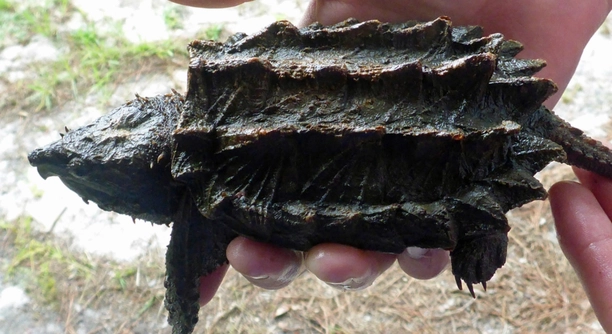
Alligator snapping turtles are one of the most fascinating creatures on Earth. Their unique features and evolutionary history make them stand out in the animal kingdom. Let’s explore some surprising facts about their evolution.
The alligator snapping turtle evolved over millions of years and developed unique traits that helped it survive in its environment. These traits include a specialized tongue lure for catching prey and a tough, rugged shell for protection.
These fascinating facts will give you a deeper understanding of the alligator snapping turtle’s journey through time.
How the Alligator Snapping Turtle’s Tongue Lure Helps It Catch Prey
The alligator snapping turtle’s most unique feature is its tongue, which it uses as a lure to catch fish. The tongue mimics the appearance of a worm, attracting hungry prey. Once the fish bites, the turtle snaps its jaws shut, securing its meal. This method of hunting is highly effective and has helped the turtle survive in its habitat for millions of years. The structure of the turtle’s tongue and mouth are specially adapted to make this technique possible, allowing it to remain still while waiting for its next meal.
This specialized hunting method shows how well the alligator snapping turtle has adapted to its environment.
The effectiveness of the tongue lure is not just a quirky trait. It allows the turtle to remain motionless for extended periods, waiting for fish to approach. This ambush style of hunting minimizes energy expenditure and increases the turtle’s chances of catching a meal. Given the turtle’s slow-moving nature, this method has proven vital for its survival. The adaptation ensures that it can capture prey without needing to actively chase after it.
The Evolution of the Alligator Snapping Turtle’s Armor
The alligator snapping turtle’s tough shell is an excellent defense mechanism against predators.
Its heavy, ridged shell evolved over time to offer protection from attacks. With its sharp edges and strong composition, the shell acts as a shield, deterring most potential threats. This adaptation has been crucial for survival in environments where other predators might target young or vulnerable turtles. Additionally, the color and texture of the shell help it blend into its surroundings, further reducing the risk of detection.
While the shell offers physical protection, it also serves as a strategy for camouflage. The rough, algae-covered surface helps the turtle blend in with the riverbed. This makes it harder for predators to spot the turtle when it’s resting, which is often the case as it waits for prey to approach. The slow-moving nature of the turtle means that it relies heavily on these defense mechanisms, as it’s not built for fast escape. The alligator snapping turtle’s evolutionary adaptation of a tough, camouflaged shell is one of the key factors that has helped it endure for so many years.
The Role of the Alligator Snapping Turtle’s Size in Its Survival
The alligator snapping turtle is known for its large size, which plays a significant role in its ability to survive.
Being one of the heaviest freshwater turtles, its large size makes it less vulnerable to smaller predators. Larger turtles have a much harder time being targeted by animals looking for easy prey. This size also allows the alligator snapping turtle to survive in harsher environments where smaller turtles might not manage as well. The massive shell and thick limbs make it a formidable creature in its habitat.
A turtle’s size also helps it store more energy in its body, which is essential for surviving periods of scarce food. Alligator snapping turtles often experience long stretches of time without feeding, particularly in colder months. The larger size provides the reserves needed to get through these lean times. This adaptation ensures they can survive in a range of different habitats, from rivers to lakes, even when food is not always abundant.
How Temperature Influences Alligator Snapping Turtle Evolution
Temperature plays a huge role in the evolution of alligator snapping turtles.
The temperature of the environment affects their growth rates, reproduction, and overall behavior. For example, warmer waters often result in faster growth, while cooler waters can slow their development. The alligator snapping turtle has adapted to varying temperatures over millions of years, helping it survive in different climates. This ability to thrive in different temperature ranges gives the species a better chance at survival.
In colder climates, these turtles enter a state of dormancy, slowing down their metabolism to conserve energy. This helps them survive when food is scarce and environmental conditions are not ideal. On the other hand, in warmer climates, the turtles are more active and can hunt for longer periods. Temperature changes also impact the turtle’s reproductive success, as eggs in warmer conditions tend to hatch faster. This evolution in response to temperature variations has allowed the alligator snapping turtle to inhabit a wide range of areas.
The Impact of Alligator Snapping Turtle’s Long Lifespan
Alligator snapping turtles are known for their impressive lifespan, often living up to 100 years.
This long lifespan allows them to adapt to changes in their environment over many decades. With fewer predators and fewer threats to their survival, they have time to adjust to changes in food sources, habitat, and climate. Their longevity also means that they can reproduce multiple times throughout their life, ensuring the continuation of the species.
Such a lengthy lifespan is unusual among reptiles, contributing to their stability within ecosystems. These turtles often live long enough to see significant changes in their habitat, which gives them an advantage in adapting.
The Unique Evolution of the Alligator Snapping Turtle’s Jaws
The alligator snapping turtle’s powerful jaws are a result of millions of years of evolution.
Their jaws have evolved to be incredibly strong and capable of delivering a quick, forceful bite. This is essential for capturing and holding onto prey, especially fish. The turtle’s jaw strength is also important for protection, deterring potential threats.
Turtles that evolved stronger jaws had better chances of survival and passing on their genes. Over time, this led to the alligator snapping turtle’s ability to quickly snap shut and crush prey. It’s this adaptation that makes them one of the most efficient predators in their environment.
The Alligator Snapping Turtle’s Slow Metabolism
The alligator snapping turtle has a slow metabolism that plays a crucial role in its survival.
This slow metabolism helps the turtle conserve energy, especially when food is scarce. By being less active, they require less sustenance, allowing them to survive long periods without eating. This adaptation is vital in harsh conditions where prey may be hard to find.
FAQ
What do alligator snapping turtles eat?
Alligator snapping turtles are carnivores and primarily eat fish, amphibians, and even smaller reptiles. Their diet mainly consists of live prey, which they attract using their unique tongue lure. This lure mimics the appearance of a worm, tricking fish and other small animals into getting close enough for the turtle to strike with its powerful jaws. Occasionally, they will also eat aquatic plants, but their primary food source is animal-based.
How do alligator snapping turtles hunt?
These turtles are ambush predators. They use their tongue as bait to attract fish and other prey. The tongue resembles a worm, which fish find irresistible. Once the prey is close enough, the turtle snaps its mouth shut, trapping it. The alligator snapping turtle’s stillness is its greatest strength, as it can wait for hours or even days for the right opportunity to catch food.
Where do alligator snapping turtles live?
Alligator snapping turtles are found in freshwater environments, particularly in rivers, lakes, and swamps in the southeastern United States. They prefer slow-moving waters with plenty of vegetation to provide shelter and food. These turtles are bottom dwellers, spending most of their time in shallow water, where they can blend into the surroundings. They tend to stay near the riverbed, hiding among debris and rocks.
How big do alligator snapping turtles get?
These turtles can grow to be quite large. Adult alligator snapping turtles typically weigh between 155 and 220 pounds, though some individuals can reach even greater sizes. Their shells can measure up to 30 inches in length. Their large size helps protect them from many predators. Being slow-moving, they rely on their size and powerful jaws for defense rather than speed.
How long do alligator snapping turtles live?
Alligator snapping turtles have a long lifespan, typically living anywhere from 50 to 100 years. Some have been known to live even longer in captivity, sometimes exceeding 100 years. Their slow metabolism and low-energy lifestyle contribute to their longevity, allowing them to survive in a variety of environments over long periods.
Are alligator snapping turtles endangered?
Yes, alligator snapping turtles are considered a vulnerable species. Due to habitat destruction, pollution, and overhunting for their meat and shells, their population has declined in some areas. Conservation efforts are in place to protect them, but they still face threats. The turtle’s slow reproduction rate makes it difficult for the population to recover quickly.
How do alligator snapping turtles reproduce?
Alligator snapping turtles lay eggs in sandy areas or soft soil, often on riverbanks. Females usually lay around 20 to 50 eggs at a time. The eggs hatch after a few months, with the hatchlings emerging from the soil to begin their lives. The turtles do not care for their young after the eggs hatch, and the tiny turtles must fend for themselves. It can take many years for them to reach maturity.
What is the role of the alligator snapping turtle in its ecosystem?
Alligator snapping turtles play an important role in maintaining the balance of their ecosystem. As predators, they help control fish and amphibian populations, preventing overpopulation of certain species. By doing so, they contribute to the health of the freshwater environments they inhabit. Their scavenger habits also help clean up their habitat by consuming dead animal matter.
Can alligator snapping turtles be kept as pets?
Although they can be kept as pets, alligator snapping turtles require a large, specialized environment to thrive. They need a sizable tank with deep water and places to hide. Additionally, their diet must include live food like fish, which may not be ideal for many pet owners. Due to their potential to grow large and their powerful jaws, they are not suitable for most people as pets. In some places, it is even illegal to keep them as pets due to their status as a vulnerable species.
Do alligator snapping turtles have natural predators?
As adults, alligator snapping turtles have very few natural predators due to their large size and tough shells. However, their eggs and young hatchlings are vulnerable to predators like raccoons, birds, and larger fish. Adult turtles are also occasionally hunted by humans for their meat and shells, which are highly valued in certain markets.
How fast can an alligator snapping turtle move?
Alligator snapping turtles are not fast movers. On land, they move slowly, and in the water, they are not known for speed. Their hunting style relies on patience, as they wait for prey to come close enough for an ambush. Though they are capable of quick bursts of speed when snapping their jaws, they generally prefer to remain still.
How does an alligator snapping turtle defend itself?
The alligator snapping turtle’s primary defense mechanism is its tough, ridged shell, which protects it from most predators. Additionally, the turtle’s size makes it difficult for smaller animals to attack. When threatened, they may also become more aggressive, using their strong jaws to fend off attackers. Their ability to remain hidden in their environment also aids in avoiding detection by potential predators.
Final Thoughts
Alligator snapping turtles are fascinating creatures with a long evolutionary history that has allowed them to adapt to a variety of environments. Their unique traits, like their powerful jaws and tongue lure, make them remarkable hunters. These turtles have evolved to survive in freshwater habitats across the southeastern United States, where they spend most of their time in shallow waters. Their ability to remain still and wait for prey is a remarkable survival tactic, allowing them to conserve energy while still being effective predators. Over the years, their strong, protective shells and slow metabolism have made them well-suited for a life of minimal movement and high patience.
However, despite their tough appearance and efficient hunting abilities, alligator snapping turtles face serious challenges. Habitat destruction, pollution, and illegal hunting have threatened their population. While they are not yet extinct, their vulnerable status serves as a reminder of how fragile ecosystems can be, especially for species with slow reproductive rates. Conservation efforts are ongoing, but these turtles need protection to ensure they can continue to thrive in their natural habitats. Their long lifespan and slow growth also make recovery from population declines a slow process, meaning efforts to protect them must be long-term.
In conclusion, the alligator snapping turtle is a testament to the power of evolution and adaptation. With their unique hunting methods, impressive size, and long lifespan, these turtles have carved out a niche for themselves in their ecosystems. Yet, they also face modern-day threats that require immediate attention. By understanding more about their biology and the challenges they face, we can contribute to their conservation and help ensure that future generations will be able to witness these incredible creatures in the wild. Their continued survival depends on the protection of their habitats and responsible stewardship of the environment.

Hello,
If you enjoy the content that we create, please consider saying a "Thank You!" by leaving a tip.
Every little bit helps us continue crafting quality advice that supports the health, happiness, and well-being of pets around the world, for pets of all shapes, sizes, and species.
We really appreciate the kindness and support that you show us!