
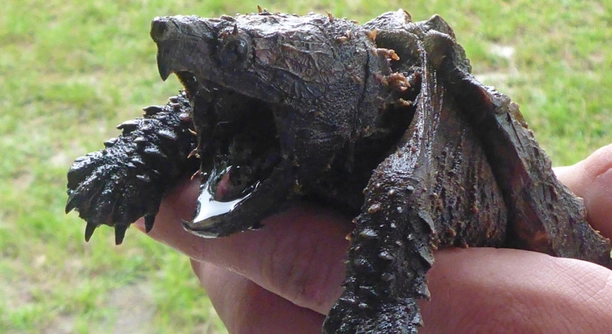
Alligator snapping turtles are fascinating creatures, often admired for their unique features and aquatic lifestyle. One of the most interesting aspects of these turtles is how they manage to breathe while submerged underwater for long periods.
Alligator snapping turtles can hold their breath underwater for an extended time by utilizing specialized adaptations. They have a unique feature called a “buccal pump,” which allows them to extract oxygen from water efficiently.
Their ability to breathe underwater and hold their breath for so long is a fascinating trait that allows them to thrive in their aquatic environments. Keep reading to learn more about how they manage this amazing feat.
How Alligator Snapping Turtles Breathe Underwater
Alligator snapping turtles have a special way of breathing underwater that helps them survive in their aquatic habitats. Unlike many other turtles, they don’t need to come up to the surface every few minutes for air. They can remain submerged for a long time due to a unique ability to extract oxygen from the water around them. This adaptation is crucial because these turtles often live in murky waters where it’s harder to find oxygen-rich areas. They use a specialized method to take in air through their mouths, where the water is drawn in and pumped over the gills. This helps them avoid the need for constant surface visits and enables them to hunt and hide underwater for longer periods. This breathing mechanism helps the alligator snapping turtle thrive in places where other animals might struggle to survive.
In addition to their ability to hold their breath for so long, these turtles are also equipped with a specific feature that assists them underwater. Their mouths have a worm-like structure that they use as a lure to attract prey.
This remarkable breathing technique has evolved over time to help the alligator snapping turtle stay hidden and survive in its environment. By being able to remain submerged for hours, it can avoid predators and be more effective in capturing its prey. Whether they are resting on the bottom of a river or hunting, their ability to hold their breath allows them to blend in with their surroundings, staying out of sight and out of danger. This unique adaptation sets them apart from many other aquatic creatures, giving them a distinct advantage in their habitats.
How Long Can They Hold Their Breath?
Alligator snapping turtles can hold their breath for up to 40-50 minutes. However, this can vary depending on the activity they are doing at the time.
The alligator snapping turtle’s ability to hold its breath for such a long period is due to its slow metabolism and specialized adaptations. When they are in a more relaxed state, like resting at the bottom of a river or lake, they can go longer without breathing. However, if they are active or hunting, they may come up for air more frequently. These turtles are also able to slow down their metabolism to help them conserve energy and oxygen. This is particularly useful when food is scarce or when they need to remain still for long periods of time, avoiding detection by predators. While they are not the longest-breathing animals in the animal kingdom, their ability to hold their breath for such long periods is still an impressive adaptation. It helps them thrive in their often challenging and competitive environments.
Why They Need to Breathe Differently
Alligator snapping turtles have evolved to breathe differently because of their specific environment. Living in slow-moving rivers or lakes, they need to conserve energy and oxygen to survive. Their adaptations help them stay submerged for longer periods without coming up for air.
These turtles primarily use their specialized breathing technique to stay submerged without the need to surface constantly. Their buccal pump helps them get oxygen from the water and reduces the energy spent rising to the surface. This is especially useful in murky waters where oxygen levels are lower. The environment in which they live influences their need for such adaptations because these turtles often spend a lot of time in still water where oxygen supply can be limited.
Having such a breathing method also gives them an advantage in their food search. The ability to stay underwater for extended periods allows them to ambush prey without being noticed. Most other turtles would have to rise to the surface more often, making them less effective at hunting. The alligator snapping turtle can remain hidden underwater, taking its time and staying out of sight until the right moment to catch its next meal.
What Happens if They Can’t Breathe?
If an alligator snapping turtle cannot breathe or get enough oxygen, it may experience stress or difficulty staying active. In extreme cases, it could suffocate. However, their ability to slow their metabolism helps them survive for longer without breathing.
These turtles are well-equipped to survive in low-oxygen environments. By slowing down their metabolism, they reduce the amount of oxygen their bodies require. This allows them to spend hours underwater without feeling the need to surface. However, if the water becomes too low in oxygen, they may still need to come up for air or move to an area with better conditions. If a turtle remains in such conditions for too long, it could face serious health risks. In the wild, they usually seek places where the oxygen supply is more stable, like deeper parts of lakes or rivers.
How Their Environment Affects Breathing
The alligator snapping turtle’s environment directly affects its ability to breathe underwater. Living in slow-moving rivers or lakes with low water currents, they are often surrounded by water with lower oxygen levels.
In these areas, the turtle’s ability to hold its breath and extract oxygen from the water becomes essential. While it might seem difficult for most creatures to survive in oxygen-poor environments, these turtles have evolved to cope with it. The shallow waters they frequent often have low levels of oxygen, making their specialized breathing technique even more important for their survival.
The Role of Temperature
Water temperature also impacts how long the alligator snapping turtle can hold its breath. Cooler water slows their metabolism, allowing them to hold their breath longer.
In warmer water, their metabolism speeds up, causing them to need more oxygen. As the water warms, the turtles may surface more often for air. They have adapted to handle this by controlling their activity levels based on temperature. During colder months, their need for oxygen decreases because they are less active, further extending their time underwater. The balance of temperature and oxygen is key to their survival.
FAQ
How long can alligator snapping turtles hold their breath underwater?
Alligator snapping turtles can hold their breath for up to 40-50 minutes under normal conditions. However, this can vary depending on their activity level. When they are more relaxed and not moving around, they can stay submerged for even longer. If they are hunting or moving, they may surface more frequently for air. Their ability to hold their breath for so long is a key adaptation that helps them survive in their often murky, low-oxygen environments.
Do alligator snapping turtles need to come up for air?
Yes, alligator snapping turtles still need to come up for air eventually. While they are capable of holding their breath for long periods, they must surface to breathe if they can’t extract enough oxygen from the water. The ability to hold their breath for an extended time gives them an advantage in staying hidden from predators or when hunting prey. However, like all animals, they eventually need fresh air, especially if they’ve been underwater for a while or if the oxygen level in the water is too low.
Can they breathe through their skin?
No, alligator snapping turtles cannot breathe through their skin. While some amphibians and aquatic creatures can absorb oxygen through their skin, turtles rely on their lungs for breathing. Alligator snapping turtles have adapted to extract oxygen from water through a specialized mouth and throat structure. This allows them to remain submerged for long periods without needing to surface constantly for air. Their lungs are still their primary method of obtaining oxygen, but their unique abilities enable them to stay underwater longer than most turtles.
Why do alligator snapping turtles have a worm-like tongue?
The worm-like tongue of an alligator snapping turtle is a fascinating adaptation that helps them catch prey. This unique feature allows them to lure fish and other small animals toward their mouth. When the turtle wiggles its tongue, it mimics the movement of a worm, which attracts fish. Once the fish swims close enough, the turtle snaps its powerful jaws shut to catch its meal. This method of hunting is highly effective, especially since the turtle can remain hidden underwater for long periods while waiting for prey to approach.
How does the temperature affect their breathing?
Temperature plays a big role in how long alligator snapping turtles can hold their breath. When water is colder, their metabolism slows down, which reduces their need for oxygen. This allows them to remain submerged for longer periods without the need to come up for air. In warmer water, their metabolism speeds up, and they require more oxygen, so they may surface more frequently. The ability to adapt their breathing based on water temperature helps them survive in various environments, from cooler, deeper areas to warmer, shallower waters.
Are alligator snapping turtles good swimmers?
Yes, alligator snapping turtles are strong swimmers. They spend a lot of their time in the water, and their large, powerful limbs allow them to move efficiently. While they may not be as fast or agile as some other aquatic animals, their ability to swim steadily and remain submerged for long periods helps them in both hunting and escaping danger. They use their strong legs to paddle through the water, though they often prefer to stay still at the bottom of rivers and lakes, waiting for prey to come close.
What do alligator snapping turtles eat?
Alligator snapping turtles are carnivorous and have a varied diet. They primarily feed on fish, amphibians, and other small aquatic animals. They use their worm-like tongue to attract prey, but they will also eat dead fish or any other available food. They can also consume invertebrates like insects or crustaceans. Their strong jaws allow them to break through tough shells, so they are capable of eating animals like snails and crayfish. The alligator snapping turtle is a patient predator, often waiting still in the water until its prey comes within reach.
Can alligator snapping turtles breathe underwater for their entire life?
Alligator snapping turtles are capable of breathing underwater for their entire life, as long as the conditions allow for it. They are well-adapted to life in the water and can hold their breath for extended periods. However, they do still need to come up for air occasionally, especially in conditions where the water has low oxygen levels. Their unique adaptations give them an advantage in their environment, allowing them to stay submerged for long periods, but they must still come up for air as needed.
What happens if an alligator snapping turtle is deprived of oxygen?
If an alligator snapping turtle is deprived of oxygen, it can experience stress or discomfort. Prolonged lack of oxygen can lead to suffocation. However, the turtle’s ability to slow down its metabolism helps it survive for longer in low-oxygen conditions. It’s important for them to be in water that has sufficient oxygen levels for them to breathe and thrive. If they are in an area with too little oxygen or if they remain submerged for too long, they may need to surface to breathe.
How do alligator snapping turtles protect themselves underwater?
Alligator snapping turtles use their ability to stay hidden underwater as a defense mechanism. By staying submerged for long periods, they avoid predators and remain out of sight. They are slow-moving and rely on their camouflage to blend into the environment. Their hard shells also offer protection from potential threats. If they feel threatened, they may retreat into the water, using their environment to hide. Their ability to remain submerged for extended periods gives them an edge when it comes to escaping danger.
Final Thoughts
Alligator snapping turtles are truly remarkable creatures. Their ability to breathe underwater for long periods gives them an edge in their natural habitats, where low oxygen levels and the need for stealth make them stand out among other turtles. This unique ability to extract oxygen from the water around them, using their specialized buccal pump and other adaptations, allows them to thrive in murky, slow-moving rivers and lakes. These turtles can spend hours submerged without the need to surface for air, a skill that plays an important role in both their hunting methods and their ability to avoid predators.
While they are capable of holding their breath for a long time, it’s important to note that alligator snapping turtles still need to come up for air eventually. The time they spend underwater depends on factors like their activity level, the temperature of the water, and the oxygen content in their environment. When they are resting or not moving much, they can remain submerged for up to 50 minutes. However, when they are active or in warmer waters, their metabolism increases, and they may need to come up for air more often. This balance between holding their breath and surfacing for air is what helps them adapt to their environment.
The alligator snapping turtle’s ability to stay submerged for such long periods not only helps it avoid predators but also makes it a highly effective predator itself. Using its worm-like tongue as a lure, it can attract fish and other small animals without having to move much. This makes it a patient and stealthy hunter, relying on its ability to stay hidden for long periods while waiting for the right moment to strike. Whether it’s escaping danger or waiting for prey, the alligator snapping turtle’s breathing technique plays a key role in its survival, allowing it to thrive in the challenging environments where it lives.

Hello,
If you enjoy the content that we create, please consider saying a "Thank You!" by leaving a tip.
Every little bit helps us continue crafting quality advice that supports the health, happiness, and well-being of pets around the world, for pets of all shapes, sizes, and species.
We really appreciate the kindness and support that you show us!