
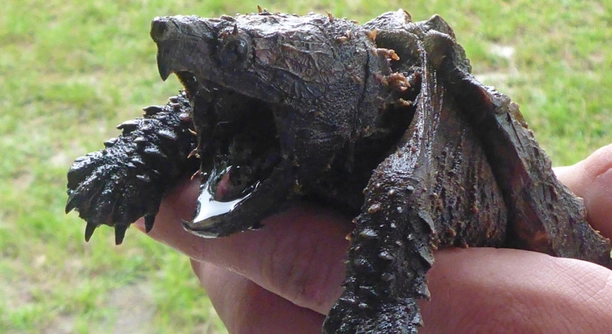
Are your alligator snapping turtles growing slower than expected? Providing the right diet is essential to ensuring they develop strong shells and healthy bodies. Certain foods can significantly boost their growth and overall well-being.
Feeding alligator snapping turtles a diet rich in protein, vitamins, and calcium promotes optimal growth. Foods like fish, insects, leafy greens, and commercial turtle pellets provide the necessary nutrients to support their development and keep them healthy.
A well-balanced diet makes a noticeable difference in their size and strength. Understanding which foods work best will help you raise thriving turtles with ease.
Protein-Rich Foods for Strong Growth
A high-protein diet is essential for alligator snapping turtles to grow properly. Foods like fish, shrimp, and earthworms provide the necessary protein to support muscle and shell development. These natural sources of protein mimic what turtles eat in the wild, making them an ideal choice. Live or frozen fish offer essential amino acids, while insects like crickets and mealworms provide additional protein and variety. When feeding fish, avoid those high in thiaminase, as they can block vitamin B1 absorption. Mixing different protein sources ensures a well-rounded diet that supports steady growth and overall health.
Turtles need a protein-packed diet during their early years, as this is when they grow the most. A lack of proper protein can slow down development, making it important to feed them nutrient-dense foods regularly.
Providing a mix of natural protein sources keeps turtles active and healthy. With the right balance, they will grow stronger, develop harder shells, and stay in top condition.
Essential Vitamins for Development
Vitamins play a key role in a turtle’s growth and overall well-being. Without the right nutrients, they may develop health issues, including shell deformities and sluggish movement.
Vitamin A is one of the most important nutrients for alligator snapping turtles. It helps maintain good eyesight, strong immune function, and proper tissue growth. Leafy greens like kale, dandelion greens, and mustard greens provide excellent sources of vitamin A. Sweet potatoes and carrots are also beneficial, as they contain beta-carotene, which converts to vitamin A in the body. Additionally, vitamin D3 is necessary for calcium absorption, ensuring strong bones and shells. Turtles need access to natural sunlight or UVB lighting to produce vitamin D3 effectively. Without it, they may suffer from metabolic bone disease, leading to weak shells and fragile limbs.
Incorporating vitamin-rich foods into their diet keeps turtles healthy and growing at a steady rate. A well-rounded diet combined with proper lighting ensures they receive all the necessary nutrients for a long and active life.
Calcium-Rich Foods for Strong Shells
Alligator snapping turtles need calcium to develop hard shells and strong bones. Foods like cuttlebone, calcium-rich fish, and dark leafy greens help provide this important mineral. Without enough calcium, turtles may develop soft shells, making them vulnerable to injuries and health problems.
Calcium-rich fish like sardines and salmon (with bones) are excellent choices. These fish provide both calcium and healthy fats, which contribute to overall turtle health. Dark leafy greens such as collard greens, dandelion leaves, and mustard greens are also good sources. To ensure proper calcium absorption, turtles need vitamin D3, which they get from UVB lighting. Dusting their food with calcium powder is another way to maintain proper calcium levels. Avoid feeding spinach, as it binds calcium and prevents absorption.
A calcium-deficient diet can cause shell deformities and weak bones. By including calcium-rich foods, turtles will grow stronger and develop the sturdy shells they need to thrive.
Hydration Through Fresh Foods
Proper hydration is important for digestion and overall health. Fresh foods like leafy greens, cucumbers, and water-soaked pellets help keep turtles hydrated. Fruits like watermelon and berries can also provide moisture, but they should be given in moderation due to their sugar content.
Leafy greens, such as romaine lettuce and dandelion leaves, are great hydrating options. These foods have a high water content while also offering vitamins and minerals. Cucumbers provide hydration but should be balanced with more nutritious greens. Water-soaked commercial pellets ensure that turtles get both moisture and essential nutrients. Freshwater should always be available, and the water in their tank should be kept clean. Proper hydration helps with digestion and prevents kidney problems.
Turtles that stay hydrated are more active and maintain better health. By offering moisture-rich foods and clean water, you ensure they stay properly hydrated, improving their digestion and overall well-being.
Healthy Fats for Energy
Alligator snapping turtles need healthy fats for energy and overall development. Foods like fatty fish, insects, and shrimp provide essential omega-3 and omega-6 fatty acids. These fats support brain function, boost the immune system, and keep the skin and shell in good condition.
Feeding turtles small amounts of salmon, mackerel, or krill helps maintain a balanced diet. Insects such as mealworms and waxworms also contain beneficial fats but should be fed in moderation. Too much fat can lead to weight issues, so portions should be carefully controlled to avoid excessive buildup.
Fiber for Digestion
A fiber-rich diet prevents constipation and supports digestion. Leafy greens, aquatic plants, and certain vegetables help regulate the digestive system. Foods like water lettuce, duckweed, and squash provide natural fiber while adding variety to their meals. A proper balance of fiber ensures turtles absorb nutrients efficiently without digestive issues.
Avoiding Harmful Foods
Some foods can be dangerous for turtles. Avoid feeding them processed meats, dairy, and foods high in oxalates, such as spinach and rhubarb. These can lead to digestive problems, nutrient deficiencies, or even toxicity. Providing safe, nutrient-rich foods keeps turtles healthy and helps them grow without complications.
What foods should I feed my alligator snapping turtle for fast growth?
To promote fast growth, focus on high-protein foods like fish, shrimp, and insects. These provide essential amino acids, supporting muscle and shell development. You can also feed them commercial turtle pellets, which are designed to meet their nutritional needs. Include calcium-rich foods like cuttlebone, leafy greens, and certain fish (like sardines with bones) to strengthen their shells. A balanced diet with enough vitamins, minerals, and protein is key to steady growth.
How often should I feed my alligator snapping turtle?
Young alligator snapping turtles typically need to be fed daily, while adult turtles can be fed every other day. Overfeeding can lead to obesity and other health problems. It’s essential to observe your turtle’s behavior and adjust their feeding schedule based on their activity level and growth. Always ensure that they are eating enough to support growth but avoid leaving uneaten food in the tank, as this can lead to water quality issues.
Can I feed my alligator snapping turtle vegetables?
Yes, vegetables can be part of a balanced diet for alligator snapping turtles. Leafy greens like dandelion greens, kale, and collard greens are excellent choices. Squash, carrots, and sweet potatoes provide additional nutrients and fiber. Vegetables can be offered alongside protein-rich foods for a well-rounded diet. However, they shouldn’t be the sole food source, as turtles need protein for proper growth. Avoid high-oxalate vegetables like spinach, which can hinder calcium absorption.
Are there any fruits that are safe for alligator snapping turtles?
Certain fruits are safe for alligator snapping turtles, but they should only be fed in moderation. Fruits like strawberries, raspberries, watermelon, and blueberries are good options. These fruits provide hydration, vitamins, and antioxidants. However, fruits are high in sugar, so they should be given as a treat rather than a regular part of their diet. Too much sugar can lead to health issues like obesity or digestive problems.
Can I feed my alligator snapping turtle insects?
Yes, insects are a great source of protein for alligator snapping turtles. Mealworms, crickets, and waxworms are commonly used as a treat or a regular food source. Insects provide essential amino acids, fats, and other nutrients that help turtles grow strong. However, be sure to source insects from reputable suppliers to avoid pesticides. Too many insects can lead to overfeeding, so offer them in moderation.
Should I provide live or frozen food to my alligator snapping turtle?
Both live and frozen food can be offered to alligator snapping turtles. Live food, such as small fish and insects, can stimulate natural hunting behaviors, which is mentally and physically beneficial for turtles. Frozen food is a convenient and safe option, and it often retains nutritional value. When feeding frozen food, ensure it’s properly thawed before offering it to your turtle. A mix of live and frozen foods provides variety and balance in their diet.
What is the best source of calcium for my alligator snapping turtle?
Cuttlebone is one of the best sources of calcium for alligator snapping turtles. It’s easy to provide and can be placed in their tank for them to nibble on. You can also offer calcium-rich fish like sardines and salmon, particularly with the bones. Leafy greens like dandelion leaves and collard greens are other good sources. If necessary, you can dust their food with a calcium supplement powder to ensure they get enough.
Can I feed my alligator snapping turtle pellets?
Yes, commercial turtle pellets can be a convenient and effective part of your turtle’s diet. These pellets are formulated to provide a balanced mix of protein, vitamins, minerals, and other nutrients. Choose high-quality pellets designed for alligator snapping turtles. While pellets can be a great supplement, they shouldn’t make up the entire diet. A variety of natural foods, like fish, insects, and vegetables, is essential for optimal health.
How do I ensure my alligator snapping turtle gets enough UVB light?
UVB light is essential for calcium metabolism and shell health. Make sure your turtle has access to a proper UVB light source for 10-12 hours a day. This is especially important if your turtle is kept indoors and doesn’t get natural sunlight. The UVB light helps your turtle synthesize vitamin D3, which is crucial for calcium absorption. Place the light above their basking area to ensure they get proper exposure. Replacing the bulb every 6 months is recommended, as the UVB rays diminish over time.
How can I tell if my alligator snapping turtle is healthy?
A healthy alligator snapping turtle is active, alert, and has a strong shell. Look for clear, bright eyes and smooth skin without any signs of swelling or abnormal growth. A properly fed turtle will have a firm and well-formed shell, not soft or deformed. Healthy turtles should also have a good appetite and appropriate waste output. If you notice changes in their behavior, appetite, or appearance, consult a veterinarian. Regularly checking your turtle’s condition helps catch potential health issues early.
When caring for alligator snapping turtles, providing the right diet is essential for their health and growth. Ensuring they get a balance of protein, calcium, vitamins, and healthy fats will help them develop strong shells and grow at a steady pace. Protein-rich foods, like fish and insects, are key for muscle development, while leafy greens and calcium-rich fish contribute to strong, healthy shells. Including fruits and vegetables provides hydration and additional nutrients. Variety in their diet helps keep them healthy and happy.
It’s also important to make sure they are getting enough UVB light, as it helps them absorb calcium effectively. Without proper UVB exposure, turtles can develop shell deformities and other health issues. Whether you’re feeding them live or frozen foods, it’s crucial to offer a mix of natural and commercially available food to ensure they’re getting all the necessary nutrients. Always pay attention to portion sizes and feeding frequency to avoid overfeeding and maintain their overall well-being.
By understanding the needs of alligator snapping turtles and offering the right foods, you can ensure they stay healthy, active, and grow to their full potential. Monitoring their diet and health regularly, along with providing proper lighting and a clean habitat, creates a safe and comfortable environment for your turtle. With the right care and attention, your alligator snapping turtle will thrive and continue to be a fascinating pet for years to come.

Hello,
If you enjoy the content that we create, please consider saying a "Thank You!" by leaving a tip.
Every little bit helps us continue crafting quality advice that supports the health, happiness, and well-being of pets around the world, for pets of all shapes, sizes, and species.
We really appreciate the kindness and support that you show us!