
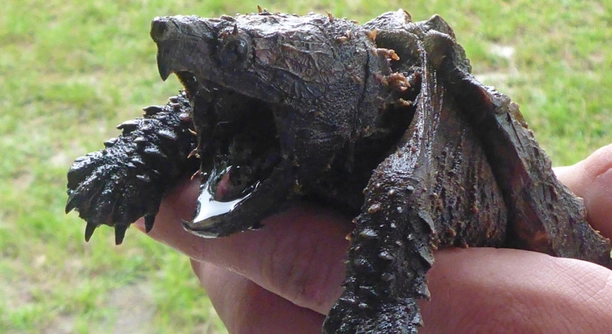
Alligator snapping turtles are fascinating creatures, and their differences as babies and adults can be quite noticeable. Understanding these distinctions helps appreciate their unique features and behaviors as they grow. Here, we explore seven key differences.
Baby alligator snapping turtles are smaller, more active, and have different feeding habits compared to adults. They also have a less developed appearance and rely on different environmental conditions. As they grow, their features and behaviors become more complex and specialized.
These differences are crucial for understanding how these turtles adapt to their surroundings. The transformation from baby to adult is an essential part of their life cycle, and it offers insight into their survival strategies.
Size Differences Between Baby and Adult Alligator Snapping Turtles
Baby alligator snapping turtles are tiny, often no more than 2 to 3 inches in length. At this stage, their size is one of their most obvious differences compared to adults. As they grow, they can reach sizes up to 26 inches, making them much larger and more imposing. These adult turtles have a heavily armored body and can weigh as much as 200 pounds, significantly more than their baby counterparts. The rapid growth is necessary for survival, allowing them to develop the strength and defenses they need to thrive in their natural habitats. The difference in size affects their behavior, diet, and how they interact with their surroundings.
Their small size in infancy allows them to hide and avoid predators more effectively. As adults, their large size makes them less vulnerable to threats, but they must deal with other environmental challenges. The increase in size also leads to a more specialized diet, with adults typically consuming larger prey compared to the small invertebrates favored by hatchlings.
The size differences also play a role in how these turtles interact with their environment. Baby turtles are more likely to stay in shallow waters where food is abundant and safe, while adults spend more time in deeper waters. This shift is not just about size but also about the different ways they adapt to their surroundings. As they grow, their ability to hunt and defend themselves becomes stronger, leading to significant changes in their lifestyle.
Shell Differences Between Baby and Adult Alligator Snapping Turtles
The shell of a baby alligator snapping turtle is more delicate and smooth compared to an adult’s. As they grow, the shell hardens and becomes more rugged, providing better protection. This hardened shell helps adult turtles survive in the wild.
In addition to the physical change, the color of their shells also differs. Baby turtles have a lighter, more muted shell, while adults develop a darker, more camouflaged appearance. This change helps them blend in with the muddy riverbeds or forest floors they inhabit. The hardening of their shell is essential for protection, but it also impacts their movement and behavior.
As adults, the increased strength of their shells means they are less vulnerable to attacks from predators. This gives them more freedom to hunt and explore their environment without constantly fearing for their safety. Baby turtles, however, must rely on their speed and hiding abilities to stay safe from predators. Their lighter shells allow them to move faster but offer less protection. The difference in shell structure is just one example of how these turtles change as they grow older.
Feeding Habits of Baby and Adult Alligator Snapping Turtles
Baby alligator snapping turtles are more opportunistic feeders. They typically consume smaller prey like insects, worms, and small fish. This allows them to grow quickly and develop the strength needed for survival. In contrast, adult turtles eat larger animals such as fish, amphibians, and even waterfowl.
The baby turtles often rely on their smaller size to capture and consume food that is easier for them to catch. Their hunting skills improve as they grow, and they gradually develop a more varied diet. Adults use their powerful jaws to grab and eat larger prey. This significant shift in feeding habits reflects their changing energy needs and physical capabilities as they mature.
While babies rely on their ability to stay hidden and eat smaller prey, adults are more confident in their hunting methods. They are capable of striking larger animals with precision, thanks to their more developed jaw strength. This increase in both size and power marks a key difference between the two stages of life.
Activity Levels of Baby and Adult Alligator Snapping Turtles
Baby alligator snapping turtles are much more active than adults. As they grow, their activity levels tend to decrease. Baby turtles are constantly exploring their environment, seeking out food, and avoiding potential threats. Their curiosity and need for survival drive them to remain mobile and alert.
Adults, on the other hand, are more sedentary. They spend most of their time resting at the bottom of rivers or lakes, waiting for prey to come within striking distance. This shift from active foraging to more passive waiting helps conserve energy. While babies need to be constantly moving to avoid predators, adults have fewer natural enemies and can afford to be still for longer periods.
Despite their sedentary behavior, adult turtles are still capable of quick movements when necessary. However, their slow and steady pace generally makes them less active than the energetic babies that need to remain constantly vigilant. This change is essential for their survival as they age.
Lifespan Differences Between Baby and Adult Alligator Snapping Turtles
Baby alligator snapping turtles have a significantly shorter life expectancy compared to adults. In the wild, their vulnerability to predators and environmental hazards can limit their lifespan. They face many dangers as they grow, making survival challenging in their early years.
Once they reach adulthood, their lifespan dramatically increases. Adult alligator snapping turtles can live for over 30 to 50 years, depending on their environment. Their larger size, stronger defenses, and more established behavior patterns allow them to survive much longer. This drastic difference in lifespan is due to both their physical development and environmental factors.
Habitat Preferences of Baby and Adult Alligator Snapping Turtles
Baby alligator snapping turtles are typically found in shallow, calm waters where they can easily find food and hide from predators. As they mature, they begin to prefer deeper waters with more abundant food sources. This change reflects their growing size and strength.
The deeper waters provide the adult turtles with the space and resources needed to thrive. These areas also offer better protection, as fewer predators can reach them. With their larger size, they can venture into different environments to hunt, making them more adaptable. Their habitat preferences shift with their increased abilities.
FAQ
What is the main difference in appearance between baby and adult alligator snapping turtles?
The most noticeable difference between baby and adult alligator snapping turtles is their size. Baby turtles are much smaller, around 2 to 3 inches in length, while adults can reach lengths up to 26 inches. Their shells also change over time; baby turtles have lighter, smoother shells, while adult turtles develop dark, rugged, and heavily armored shells for better protection. Additionally, baby turtles have a more delicate and soft appearance, whereas adults are more solid, with pronounced, spiked features.
Do baby alligator snapping turtles have the same diet as adults?
No, baby alligator snapping turtles have a different diet than adults. As hatchlings, they eat smaller prey like insects, worms, and small fish, which are easier for them to catch and consume. Adults, on the other hand, eat larger prey such as fish, amphibians, and even small birds or mammals. Their diet changes as they grow larger and stronger, and their hunting skills become more refined.
How long do baby alligator snapping turtles live compared to adults?
Baby alligator snapping turtles generally have a much shorter lifespan compared to adults. In the wild, they face many dangers, including predators and environmental hazards, which can significantly reduce their lifespan. While baby turtles might only live for a few years if they survive the initial stages, adults can live for up to 30 to 50 years, thanks to their increased size, stronger defenses, and more developed survival strategies.
What do alligator snapping turtles need in their habitat?
Baby alligator snapping turtles require calm, shallow waters where they can easily find food and avoid predators. As they grow and become adults, their habitat needs change. Adults prefer deeper waters, which offer better protection and more abundant food sources. These deeper areas provide the space necessary for adults to thrive and remain safe from predators. Baby turtles tend to stay closer to shore, where they can hide in aquatic plants and debris.
Are baby alligator snapping turtles more active than adults?
Yes, baby alligator snapping turtles are much more active than adults. They are constantly moving, exploring their surroundings, searching for food, and trying to avoid threats. Their high energy and need for constant movement help them survive their early years. Adults, on the other hand, tend to be more sedentary. They spend most of their time resting at the bottom of rivers or lakes, waiting for prey to come close enough to strike. This shift in behavior reflects the turtles’ changing needs as they grow older and less vulnerable to predators.
Do adult alligator snapping turtles have predators?
Adult alligator snapping turtles have very few natural predators due to their size and powerful defenses. However, they are still at risk from larger predators such as alligators, crocodiles, or even humans. In some cases, juvenile turtles may be vulnerable to large fish or birds of prey. As adults, their strong shells and large size protect them, but they are not completely immune to danger. Despite this, adult alligator snapping turtles are much less likely to be preyed upon than their smaller, younger counterparts.
Can baby alligator snapping turtles survive on their own?
Baby alligator snapping turtles are quite independent from birth. Once they hatch, they must fend for themselves, as their mothers do not provide care. They have to immediately begin hunting for food and finding shelter to avoid predators. However, because they are so small, they are more vulnerable to being eaten by larger animals. Their survival relies on their ability to hide, move quickly, and find safe spaces in their environment. Many baby turtles don’t survive their early years due to the numerous dangers they face.
What role do alligator snapping turtles play in their ecosystem?
Alligator snapping turtles are important to their ecosystems as both predators and prey. As top predators, they help regulate populations of fish, amphibians, and other small creatures in their habitat. Their presence keeps the balance in aquatic ecosystems, ensuring that no species becomes overpopulated. Additionally, they are a food source for larger predators, which contributes to the flow of energy within the food chain. Their role in their environment helps maintain healthy and diverse habitats.
How fast do alligator snapping turtles grow?
Alligator snapping turtles grow relatively quickly during their first few years of life. While they start off small, they can grow several inches in a single year. However, their growth rate slows down as they age. In the first few years, they focus on growing their shells and developing strength to survive in the wild. By the time they reach adulthood, their growth rate diminishes, but they continue to grow slowly over their lifespan. The turtles’ ability to grow larger and stronger helps them thrive in their environment.
Do alligator snapping turtles need to bask in the sun?
Unlike some other turtle species, alligator snapping turtles do not require basking in the sun to maintain their body temperature. They are cold-blooded and regulate their temperature through their environment. While they may occasionally come to the surface to rest or warm up, they typically stay submerged for most of their lives. Their ability to remain underwater for long periods allows them to stay safe and regulate their body temperature without the need for frequent basking. This makes them well-suited to life in aquatic environments.
Final Thoughts
Alligator snapping turtles go through significant changes as they grow from babies to adults. Their physical appearance, behavior, and habitat preferences shift in ways that help them survive and thrive at different stages of life. While baby alligator snapping turtles are small and vulnerable, they eventually grow into powerful adults with few natural predators. This change in size and strength is crucial for their survival, and it highlights the dramatic contrast between the two stages of life. Understanding these differences can deepen our appreciation for these unique creatures and their role in the ecosystem.
As adult alligator snapping turtles, they continue to be vital members of their habitat. They regulate populations of smaller species by hunting and consuming various animals. Their ability to live for many decades also means they play an ongoing role in the ecosystem throughout their long lifespan. Their adaptation to deeper waters, slower movements, and more powerful hunting skills allow them to continue thriving as they age. They maintain a delicate balance in the environment, ensuring that no one species dominates over others. This balance is crucial for the health and stability of the ecosystems where they live.
While baby alligator snapping turtles face many challenges in their early years, their growth into adults demonstrates the resilience of these creatures. By understanding the differences between them at different life stages, we gain a better sense of the complexities of their survival. As we continue to observe and protect these fascinating reptiles, we can ensure that future generations of alligator snapping turtles have the opportunity to grow and contribute to their ecosystems. The transformation from a vulnerable baby to a powerful adult underscores the importance of safeguarding their habitats and preserving the conditions that allow them to thrive.

Hello,
If you enjoy the content that we create, please consider saying a "Thank You!" by leaving a tip.
Every little bit helps us continue crafting quality advice that supports the health, happiness, and well-being of pets around the world, for pets of all shapes, sizes, and species.
We really appreciate the kindness and support that you show us!