
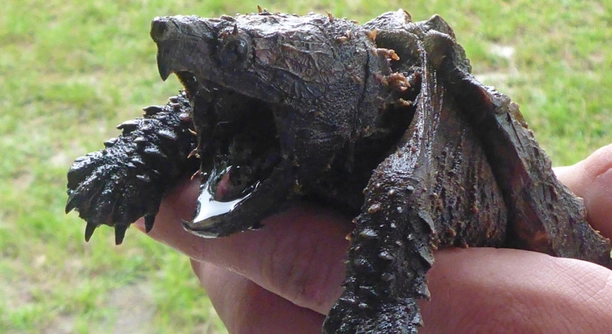
Alligator snapping turtles are unique creatures with specific habitat needs. One important factor in their care is the type of water they live in. Understanding the water conditions will help ensure their health and comfort.
The best water for alligator snapping turtles is clean, well-filtered, and slightly acidic with a pH between 6.5 and 7.5. The water should also be free of chlorine, chloramine, and heavy metals. Regular water changes and monitoring water quality are essential for their well-being.
Taking care of the water is just one step in ensuring your turtle thrives. Proper care involves knowing how to create the ideal environment for your alligator snapping turtle’s health and longevity.
Importance of Clean Water
Water quality is crucial for alligator snapping turtles. Poor water conditions can lead to health issues, including skin infections and respiratory problems. Ensuring clean water helps prevent stress, promotes better digestion, and encourages natural behaviors. To maintain a healthy environment, you should regularly test the water for toxins and harmful chemicals. A good filtration system is vital for removing waste, uneaten food, and debris. It’s also important to remove any organic material that could cause bacteria to grow. In addition, changing the water weekly can prevent the build-up of harmful substances. A clean tank is essential for the overall well-being of your turtle, as they thrive in stable and balanced environments.
A proper water filter plays an important role in keeping the water clean. Choose one that’s specifically designed for the size of your tank. It’s best to invest in a high-quality filter that will ensure the water remains clear and free from harmful particles.
Even with a filter, keeping an eye on water levels and temperature is essential. Snapping turtles prefer water between 70°F to 80°F. Ensuring this temperature range will prevent unnecessary stress and ensure your turtle remains comfortable.
pH Levels
Alligator snapping turtles prefer slightly acidic water with a pH level between 6.5 and 7.5. Water that’s too acidic or too alkaline can harm their health. It can cause skin issues or stress, affecting their immune system. Regularly checking the pH helps maintain a balanced environment.
Testing the pH can be done with a simple test kit. If the water is outside the desired range, use pH adjusters to correct it. Avoid drastic changes, as sudden shifts in pH can shock the turtle. It’s best to make gradual adjustments to keep the water stable and safe for your turtle’s health.
Maintaining the right pH is just as important as water temperature. If the water is consistently too high or low in pH, the turtle may become more susceptible to diseases or infections. For this reason, it’s essential to monitor the water quality regularly. Proper pH levels support a turtle’s growth, shell health, and overall well-being.
Filtration
A good filtration system is essential for your turtle’s habitat. Alligator snapping turtles are messy eaters, and they tend to release waste into the water. Without proper filtration, this waste can build up quickly, making the water toxic.
When choosing a filter, make sure it’s rated for the size of your tank. The filter should be capable of handling the volume of water in the tank. Additionally, check the flow rate of the filter. A filter that moves water too quickly can create strong currents, which may not be ideal for the turtle. A slower flow rate is generally better.
Along with filtration, consider the use of a substrate that promotes water clarity. Some people use aquarium-safe gravel or sand, which helps to maintain water cleanliness by providing a surface for beneficial bacteria to thrive. These bacteria break down organic waste and help prevent harmful buildup in the water. Regular maintenance of both the filter and substrate is essential for long-term water health.
Temperature Control
Maintaining the right water temperature is essential for the health of alligator snapping turtles. Water temperatures should be kept between 70°F to 80°F. Too cold or too hot water can lead to stress, slowing down metabolism and making it harder for the turtle to digest food.
Using a water heater will help keep the temperature stable. Make sure it’s designed for the size of your tank, as a too-small heater may struggle to maintain the correct temperature. Be sure to monitor the water regularly with a thermometer to avoid drastic changes. Consistency is key to their overall health.
Water Changes
Regular water changes are necessary to maintain a clean environment for your turtle. It’s recommended to change about 25% of the water each week. This helps prevent the build-up of harmful substances, such as ammonia, which can be toxic. Clean water supports the turtle’s immune system and digestion.
Make sure the new water you add is dechlorinated and at the correct temperature. Sudden changes in water conditions can stress your turtle, so take your time when replacing the water. A slow, gradual change is ideal to avoid shocking their system.
Water Testing
Water testing should be done regularly to ensure the conditions are optimal. You’ll want to test for ammonia, nitrites, and nitrates, as well as pH and hardness. These tests help prevent water quality problems before they affect your turtle.
Test kits are available to check for these parameters. It’s essential to check ammonia and nitrite levels frequently, as they can build up quickly and harm your turtle. Keep a record of your test results to spot any patterns or changes that might indicate issues with water quality.
FAQ
What is the best type of water for alligator snapping turtles?
The best water for alligator snapping turtles is clean, well-filtered, and free of chlorine, chloramine, and heavy metals. The water should have a slightly acidic pH, typically between 6.5 and 7.5. Regular water changes and proper filtration are crucial for maintaining a healthy environment. Water quality is just as important as the right temperature and pH levels, so it’s essential to monitor the water regularly for toxins and harmful substances.
How often should I change the water in my alligator snapping turtle’s tank?
It’s recommended to change about 25% of the water each week. This ensures that waste and toxins don’t build up, which can harm your turtle. If you have a high bioload or multiple turtles, you may need to change the water more frequently. Always make sure that the new water is dechlorinated and at the correct temperature to avoid stressing your turtle.
Can I use tap water for my alligator snapping turtle?
Tap water can be used, but it should be dechlorinated first. Chlorine and chloramine, commonly found in tap water, can be harmful to your turtle. You can treat the tap water with a dechlorinator before adding it to the tank. If your tap water contains high levels of heavy metals or minerals, it may be best to use distilled or bottled water instead.
What temperature should the water be for an alligator snapping turtle?
The water temperature should be maintained between 70°F and 80°F. If the water gets too cold or too hot, your turtle may become stressed, and it could affect their immune system and digestion. A water heater is often necessary to maintain this range, especially in cooler climates or if your tank is exposed to fluctuating temperatures.
Can alligator snapping turtles live in cold water?
Alligator snapping turtles are not suited for cold water. Water that is too cold can cause them to become lethargic and can lead to health problems such as respiratory infections. Keeping the water temperature within the recommended range of 70°F to 80°F is crucial for their well-being. If you live in a colder area, you’ll need to use a reliable water heater to maintain proper water temperature.
Is it okay to have a filter in the tank with an alligator snapping turtle?
Yes, having a filter in the tank is essential. It helps to keep the water clean by removing debris, uneaten food, and waste. A good filtration system can prevent harmful toxins from building up, which could cause health issues for your turtle. However, make sure the filter’s flow rate isn’t too strong, as snapping turtles may not enjoy strong currents.
How can I make sure the water quality is good for my turtle?
Regular water testing is the key. Test the water for ammonia, nitrites, nitrates, pH, and hardness. Keeping track of these parameters ensures that your turtle’s environment stays healthy. You should also replace the water regularly and clean the tank to remove any organic matter. If any tests show abnormal results, take action quickly to restore balance.
What should I do if the water gets cloudy?
Cloudy water is usually a sign of bacteria or excess organic material. It can be caused by overfeeding, an inefficient filtration system, or poor water quality. First, check the filter to make sure it’s functioning properly. Remove any uneaten food, and perform a water change. You may also need to clean the substrate and check the water parameters.
Can I use gravel in the tank?
Yes, you can use gravel in the tank, but it’s important to choose aquarium-safe gravel. Some types of gravel can trap debris, which may make it harder to maintain clean water. Another option is using sand, which can help maintain better water clarity by providing a surface for beneficial bacteria to grow. However, avoid using small gravel that could be ingested by your turtle.
How do I dechlorinate the water?
You can dechlorinate water by using a water conditioner specifically designed to remove chlorine and chloramine. These conditioners are available at most pet stores or online. Add the dechlorinator to the new water before introducing it to the tank. Always follow the instructions on the product to ensure proper dosage.
Can alligator snapping turtles live in a tank with other species?
Alligator snapping turtles can be kept with other species, but it depends on the temperament and size of the other animals. Snapping turtles can be aggressive, especially during feeding time, and may try to dominate smaller tank mates. It’s important to consider the size and behavior of other species before introducing them. Avoid keeping them with fish or smaller reptiles that could be seen as food.
How do I keep the water temperature stable?
To keep the water temperature stable, use a reliable water heater designed for the size of your tank. Choose a heater with a thermostat to help maintain a consistent temperature. Regularly monitor the water temperature using an aquarium thermometer. If you live in an area with fluctuating temperatures, consider investing in a more powerful heater or a temperature-controlled tank.
Can I use a UV light for my alligator snapping turtle?
Yes, a UV light can be beneficial for alligator snapping turtles. It helps to simulate natural sunlight, which is important for their overall health, including calcium absorption and shell development. UVB light also aids in preventing metabolic bone disease, which can occur if the turtle doesn’t receive enough UVB exposure. Ensure the UV light is placed correctly, and replace the bulb regularly to maintain proper UVB output.
How can I remove chlorine from water without a dechlorinator?
If you don’t have a dechlorinator, you can let tap water sit for 24-48 hours to allow the chlorine to evaporate. However, this method does not remove chloramine, which is commonly found in municipal water systems. Chloramine doesn’t evaporate as easily, so a dechlorinator is the most effective way to remove it.
How do I clean the water filter?
Cleaning the water filter is essential to keep the tank’s water clean. Remove the filter and rinse it in a bucket of tank water (not tap water) to preserve beneficial bacteria. Clean the filter components monthly, or more often if you notice reduced water flow or debris build-up. Be sure to replace the filter media regularly according to the manufacturer’s recommendations.
Final Thoughts
Maintaining clean, properly filtered water is essential for the health and well-being of alligator snapping turtles. These turtles are sensitive to water quality, and any fluctuations in temperature, pH, or cleanliness can cause stress or lead to health issues. Ensuring that the water is free from chlorine, chloramine, and harmful metals is a must. Regular water changes and proper filtration will help create a stable environment where your turtle can thrive. Consistently monitoring the water’s parameters is a good habit to adopt to ensure the tank remains in optimal condition.
Water temperature plays a significant role in the overall health of your alligator snapping turtle. Keeping the water between 70°F and 80°F will help prevent stress and encourage normal behavior, such as feeding and swimming. Using a reliable heater with a thermostat is a good solution for maintaining a stable temperature, especially if the room temperature fluctuates. A thermometer is also useful to keep track of any changes in the tank. Maintaining the right water temperature ensures that your turtle can digest food properly and remain active, helping to avoid issues related to metabolic and respiratory problems.
The type of water you use, along with a proper filtration system, creates the foundation of a healthy tank. While alligator snapping turtles can tolerate a variety of water sources, using dechlorinated tap water, distilled, or bottled water is ideal. It is also important to remember that these turtles are solitary and can be territorial. Introducing other species to the tank should be done with caution. With careful attention to water quality, temperature, and tank setup, your alligator snapping turtle will have the best chance at a long and healthy life.

Hello,
If you enjoy the content that we create, please consider saying a "Thank You!" by leaving a tip.
Every little bit helps us continue crafting quality advice that supports the health, happiness, and well-being of pets around the world, for pets of all shapes, sizes, and species.
We really appreciate the kindness and support that you show us!