
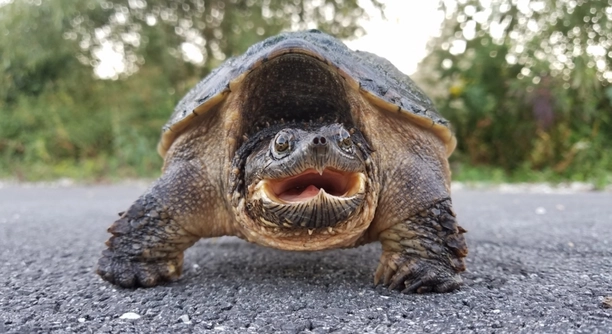
Turtles are fascinating creatures, and many turtle owners have wondered why their common snapping turtle seems to stay in one spot. This behavior can be puzzling, but it is important to understand the reasons behind it.
Common snapping turtles often remain stationary due to their need for rest, comfort, and temperature regulation. They may also stay in one location when they are conserving energy, avoiding threats, or waiting for prey to pass by.
Understanding these behaviors will help you care for your snapping turtle more effectively and ensure it thrives in its environment.
Reasons Snapping Turtles Stay in One Spot
Snapping turtles are known for being relatively still, especially in the wild. This behavior is often part of their natural instincts to stay hidden and wait for food. When a snapping turtle stays in one spot, it could be conserving energy or simply resting. In nature, staying still is a way to avoid predators, and it allows the turtle to be less noticeable to both threats and potential prey. When they don’t need to move, they stay stationary for as long as possible. In captivity, these instincts might still play a big role in their behavior.
Some factors, like temperature and environment, also affect their movement. Snapping turtles are cold-blooded and rely on external temperatures to regulate their body heat. If the environment is too cold, they may stay in one place to keep warm. Similarly, a warm spot may encourage them to stay put longer, as it helps them maintain comfort and energy levels.
The water temperature or access to a basking area can influence a turtle’s decision to stay still. If the water is too cold or warm, they may choose not to move much and instead wait for conditions to improve. When provided with a proper habitat, they are likely to move more often but still rest for long periods.
The Role of Predators and Safety
Predators also play a big role in how much a turtle moves.
In nature, staying still is an important defense mechanism for turtles. They blend in with their environment, avoiding any potential danger. This stillness helps them go unnoticed by animals that could pose a threat.
Temperature and Comfort
Temperature plays a big part in your turtle’s behavior. Snapping turtles are ectothermic, meaning they rely on their surroundings to regulate body heat. If the area is too cold or too hot, they may not feel the need to move much. A spot with the right temperature allows them to stay comfortable without wasting energy.
In warmer conditions, they might bask on rocks or logs to absorb heat. In cooler conditions, they may stay in one place to conserve warmth. The ideal temperature for a snapping turtle usually ranges between 70-80°F in water and a slightly warmer basking area.
If your turtle seems to prefer one spot, it could be that the environment is meeting its needs for warmth or comfort. Providing a consistent and comfortable habitat ensures that your turtle will stay healthy and active. It’s important to monitor the temperature and adjust accordingly, so they don’t become too lethargic or stressed from uncomfortable conditions.
Health Issues
Health problems can lead to your turtle staying in one spot as well.
If your turtle is feeling unwell or stressed, it might retreat to a corner or stay still more than usual. Signs of illness, such as lethargy or lack of appetite, are often indicators that something isn’t right. It’s important to look for any signs of injury or infection that could be causing the turtle to stay in one place.
Common health issues include respiratory infections, shell problems, or parasites. These can make the turtle feel weak or uncomfortable, causing it to rest more than it normally would. If you notice changes in your turtle’s behavior or a decrease in movement, it’s essential to consult a vet to make sure everything is okay. Keeping an eye on their health helps ensure they remain active and alert.
Lack of Stimulation
A lack of stimulation in the environment can make your turtle stay in one spot. If there aren’t enough things to explore or engage with, your turtle may become less active. Boredom can lead to inactivity, and turtles naturally tend to stay where they feel secure.
Providing more enrichment, like different hiding spots, water plants, or rocks, can encourage your turtle to move around. Snapping turtles are curious creatures by nature, and they benefit from an environment that allows them to engage with their surroundings. If they feel like there’s nothing new or interesting around, they might remain in one spot for extended periods.
Feeding Habits
Feeding time can also explain your turtle’s behavior.
Snapping turtles are opportunistic feeders, and they will often stay still, waiting for food to come by. If food is available or easy to access, your turtle may choose to stay put instead of searching for it.
FAQ
Why does my snapping turtle stay in one spot all the time?
If your snapping turtle stays in one spot constantly, it could be due to a few different reasons. One of the most common reasons is that it feels comfortable and secure in that area. Snapping turtles are often quite territorial and will stay in a spot where they feel safe. Another possibility is that it’s regulating its temperature. Being cold-blooded, snapping turtles rely on their environment to maintain the right body temperature, and they may stay in a spot that’s either warm enough or cool enough for comfort.
How can I get my turtle to move more?
To encourage your snapping turtle to move around more, try adding enrichment to its habitat. This could include adding new rocks, plants, or hiding places that provide interest. You can also vary the environment by adjusting the water temperature to the optimal range. A more active environment may inspire your turtle to explore more. Additionally, offering food in different areas might encourage it to move in search of a meal. Just make sure not to stress your turtle with too many changes all at once.
Could my turtle’s inactivity be a sign of health problems?
Yes, inactivity can sometimes indicate that your turtle is unwell. If a turtle starts staying in one spot and becomes lethargic, it may be dealing with a health issue like an infection, shell rot, or parasites. It’s essential to check for any visible signs of illness, such as discharge from the eyes or nose, changes in the shell, or loss of appetite. If any of these signs are present, it’s crucial to take your turtle to a vet as soon as possible for a check-up.
How do I know if my turtle is stressed?
Turtles can show signs of stress in a variety of ways. Common signs include staying in one spot for too long, excessive hiding, or not eating properly. If your turtle is stressed, it may also try to escape its habitat or display aggressive behavior. Environmental factors, such as changes in temperature, lighting, or tank size, can contribute to stress. To reduce stress, make sure the turtle’s environment is stable and appropriate, with clean water, proper heating, and sufficient hiding spots.
Is my turtle just lazy, or is it resting?
It’s important to differentiate between resting and laziness in snapping turtles. Turtles naturally rest for long periods, particularly after feeding or during cooler weather. Snapping turtles will often stay still to conserve energy or hide from potential predators. If your turtle is still eating regularly and shows no signs of illness, it’s likely just resting. However, if your turtle’s inactivity is accompanied by other concerning signs, like not eating or appearing weak, it might be a sign of a problem.
How often should I change my turtle’s habitat?
While snapping turtles don’t need their habitat changed often, it’s important to keep it clean and fresh. Regular cleaning of the tank, changing the water, and replacing any decorations that may become dirty are essential. You can rearrange the setup or add new items occasionally to provide variety and mental stimulation. However, avoid making drastic changes all at once, as this can stress the turtle. It’s best to clean the tank at least once a week and replace the water regularly depending on the size of the tank and the number of turtles.
Can a snapping turtle become too comfortable in one spot?
Yes, if a snapping turtle stays in one spot for too long, it could be a sign that it’s become too comfortable. However, this behavior is generally normal for snapping turtles, especially if they feel secure in their environment. It’s important to monitor whether the turtle is still eating and behaving normally. If it’s staying in one place but seems healthy, it’s likely just resting. But if it starts to refuse food or shows signs of distress, it might be worth considering environmental changes or a vet visit.
Do snapping turtles need to move around a lot?
Snapping turtles are not as active as some other species of turtles. They don’t require constant movement and will often stay in one spot for extended periods, especially if they feel comfortable. However, it’s still beneficial to provide opportunities for them to move around and explore. Having a larger tank, varied hiding spots, and an appropriate basking area can encourage more movement. A snapping turtle may also move more if it feels the need to search for food or if its environment changes.
What temperature is ideal for my snapping turtle?
The ideal temperature for a snapping turtle is typically between 70-80°F in the water, with a basking area around 85°F. This range allows them to regulate their body temperature without expending too much energy. Water that is too cold or too warm can cause your turtle to become lethargic and might make it stay in one spot more than usual. Keeping a stable environment with proper temperature control is crucial for their health and activity levels.
Can I leave my snapping turtle alone for a few days?
Snapping turtles are quite independent and can generally be left alone for short periods of time, like a weekend, as long as they have access to food and clean water. However, it’s important to make sure their environment is stable and safe before leaving them. If you plan to leave them for a longer period, it’s a good idea to have someone check in on them. Long periods without supervision could lead to issues with water quality or food availability.
Final Thoughts
If your snapping turtle stays in one spot for long periods, it’s often a natural behavior. Turtles are not always active, and their movements are usually influenced by their need for rest, temperature regulation, or even avoiding predators. It’s essential to remember that turtles are cold-blooded, so their activity levels depend on the environment’s temperature. When they feel comfortable and secure, they are likely to stay still for a while. However, this behavior is typically normal, as long as your turtle seems healthy and is eating regularly.
That being said, it’s important to monitor your turtle’s overall health. If your turtle is staying in one spot and seems lethargic, refuses food, or shows other signs of illness, it might be time for a vet visit. Health problems such as infections or injuries could cause your turtle to stay immobile. If there are no signs of illness but your turtle is still staying still, it could just be their natural behavior. Offering enrichment and making sure their environment is comfortable can help keep them active and engaged. Small changes like adding more hiding spots or adjusting the temperature can make a big difference.
In conclusion, the reasons why a snapping turtle stays in one spot are often tied to its natural instincts and environmental needs. By keeping a proper habitat and monitoring its health, you can ensure that your turtle stays happy and healthy. Understanding your turtle’s behavior and providing a comfortable environment is key to making sure it lives its best life. If your turtle’s behavior changes or becomes concerning, always consult a vet for peace of mind.

Hello,
If you enjoy the content that we create, please consider saying a "Thank You!" by leaving a tip.
Every little bit helps us continue crafting quality advice that supports the health, happiness, and well-being of pets around the world, for pets of all shapes, sizes, and species.
We really appreciate the kindness and support that you show us!