
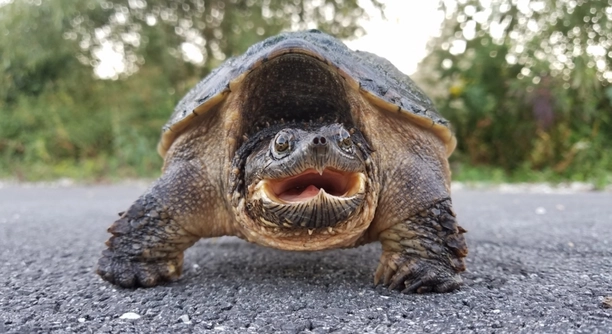
Hard water can create challenges when caring for a common snapping turtle. The minerals in hard water can affect your turtle’s health and the environment they live in. This article explores how to reduce water hardness for your pet.
The best way to reduce water hardness for a common snapping turtle is by using water softeners, such as reverse osmosis filters, to remove excess minerals. Regular water changes can also help maintain proper water quality and balance in the tank.
Making small adjustments to the water in your turtle’s tank can improve its overall health and comfort. We’ll cover simple and effective methods to manage water hardness in your turtle’s habitat.
Understanding Water Hardness
Water hardness is determined by the amount of dissolved minerals, like calcium and magnesium, present in the water. These minerals are harmless to humans but can affect aquatic animals, especially turtles. Hard water can cause cloudy tanks, mineral deposits, and even skin issues for turtles. If left unchecked, these problems can lead to long-term health complications for your pet.
Hard water can also interfere with the delicate balance of the tank’s ecosystem. For a common snapping turtle, this can create an uncomfortable and unhealthy environment. The minerals in hard water may also make it difficult for the turtle to properly absorb nutrients, affecting its growth and immune system. Ensuring the water is soft enough for your pet will make a big difference in its overall well-being.
Reducing water hardness isn’t always complex. You can start by simply testing your tank’s water using a water hardness test kit. This will give you a clear understanding of how hard the water is and what steps you need to take. Regular testing is important because water hardness can change over time, especially if you’re using tap water.
How Reverse Osmosis Can Help
Reverse osmosis (RO) is one of the most effective methods for softening water. This system uses a semi-permeable membrane to filter out minerals, leaving the water much softer and cleaner for your turtle. RO systems are commonly available for aquarium use and are easy to install.
Using reverse osmosis can significantly reduce water hardness and improve your turtle’s environment. It ensures that harmful minerals are filtered out, creating a balanced, safe habitat. While RO filters can be an investment, the benefits for your pet’s health are well worth the cost. Not only does this method improve the water quality, but it also helps in reducing algae buildup and mineral deposits in the tank, making maintenance easier.
To get the most out of an RO system, regular maintenance is key. Change the filters as needed, and periodically clean the system to prevent blockages. You can also combine RO water with remineralization additives if necessary, but always make sure the water’s hardness stays within a range suitable for your turtle’s needs. This method gives you full control over the water’s quality, which is essential for keeping your snapping turtle healthy.
Using Water Softeners
Water softeners work by exchanging calcium and magnesium ions for sodium or potassium ions, softening the water. These systems are simple to install and effective for reducing water hardness in your turtle’s tank.
When using a water softener, it’s important to monitor the water’s sodium levels. Too much sodium can be harmful to aquatic life. Softener systems often have settings that let you control how much sodium is used, allowing you to adjust it for your turtle’s specific needs. It’s crucial to check the water regularly to ensure it’s safe for your pet.
Softened water can also reduce the buildup of mineral deposits in the tank, which means less frequent cleaning. With softer water, the risk of scale formation on tank surfaces and your turtle’s shell decreases. A softener offers a long-term solution that reduces maintenance, keeps your pet healthy, and improves the overall water quality. This method is a great investment if you’re looking to maintain a stable environment.
Regular Water Changes
Regular water changes help to maintain a balanced environment for your turtle. Changing the water every week or two removes excess minerals and improves water quality.
When you change the water, make sure to remove at least 20-30% of the tank’s water. Doing so ensures that minerals, waste, and toxins are diluted. It also helps maintain a stable temperature and pH balance, which are essential for your snapping turtle’s health. Always use dechlorinated water to avoid harming your pet.
For larger tanks, consider using a siphon or water pump to make water changes easier. A good filtration system will also help with water changes, removing excess minerals and other impurities. Combining water changes with a filtration system helps keep your turtle’s habitat clean, fresh, and free from harmful substances. It’s a simple but highly effective method to reduce water hardness.
Adding Distilled Water
Using distilled water is a straightforward method to soften your turtle’s tank water. It has no minerals, so it helps lower the overall hardness level. You can mix it with tap water to reduce the hardness gradually.
Distilled water can be used for water changes or added directly to the tank. It’s simple to use and ensures that harmful minerals are kept at bay. However, it’s important to combine distilled water with other methods for long-term water quality, as it lacks essential minerals that some aquatic life needs.
Tank Filtration Systems
A good filtration system is essential for managing water hardness. It helps remove minerals and waste, keeping the water clean and clear. High-quality filters are specifically designed to reduce contaminants and improve water quality over time.
Choose a filter that is appropriate for the size of your turtle’s tank. Mechanical, biological, and chemical filtration combined can significantly improve water hardness and reduce the need for frequent changes. A filter designed for hard water will also help control the buildup of minerals and keep your turtle’s environment stable. This is a great way to maintain an optimal living condition for your pet.
Using Peat Moss
Peat moss can naturally soften water by releasing tannins that bind to calcium and magnesium. You can add it to your tank filter or directly to the water.
Peat moss is an easy and affordable way to reduce water hardness, especially in smaller tanks. While it can discolor the water slightly, it’s completely safe for your turtle. Make sure to check the pH levels regularly, as peat moss can lower them over time. It’s an excellent option for those looking for a natural method to maintain their turtle’s water quality.
FAQ
What are the signs of hard water affecting my snapping turtle?
Hard water can lead to various issues in your turtle’s tank. The most noticeable signs are cloudy water, mineral deposits on surfaces, and your turtle’s shell showing signs of scaling. Your turtle might also appear irritated or develop skin problems. If left untreated, hard water can cause stress to your turtle and even affect its immune system. It can also lead to poor digestion and difficulty absorbing nutrients. Checking the water regularly for clarity and mineral buildup is a good way to catch any problems early.
Can hard water harm my snapping turtle?
Yes, hard water can harm your turtle in multiple ways. The excess minerals can make it harder for your turtle to absorb nutrients properly. This affects their overall health and growth. Hard water can also irritate your turtle’s skin and cause shell issues, including calcium buildup. Over time, the stress caused by these water conditions can weaken your turtle’s immune system and make them more susceptible to illness. It’s important to address hard water issues to prevent long-term damage to your pet’s health.
How often should I change the water in my snapping turtle’s tank?
Water changes should be done regularly, typically every 1 to 2 weeks, depending on the size of your turtle’s tank and filtration system. For larger tanks, you can change 20-30% of the water each time. If your water hardness is high, more frequent changes may be necessary. Always make sure to use dechlorinated or treated water when replacing it. Keeping the water fresh and clean ensures that the minerals don’t build up and that your turtle remains in a healthy environment.
What is the best water hardness level for a snapping turtle?
Snapping turtles thrive in water with a hardness level between 150-200 ppm (parts per million). Levels above 200 ppm can cause issues, including mineral buildup and skin irritation. It’s important to test your water regularly to keep it within this range. If your water hardness exceeds this, consider using water softening methods like reverse osmosis or water softeners. A slight amount of hardness can be beneficial, as it helps with calcium intake, but excessive hardness can cause harm.
Can I use tap water for my snapping turtle’s tank?
You can use tap water for your turtle’s tank, but it’s important to check its hardness first. Tap water in some areas can be very hard and may require treatment before being used. If your tap water is too hard, consider using a water softener or reverse osmosis system to reduce the mineral content. Always dechlorinate tap water before adding it to the tank. Chlorine can be harmful to your turtle, so it’s crucial to treat the water properly before use.
How can I reduce water hardness without using chemicals?
There are several natural methods to reduce water hardness without chemicals. One option is using peat moss, which releases tannins that bind to minerals like calcium and magnesium. You can also use a reverse osmosis system, which filters out minerals from the water. Regular water changes are another way to dilute the mineral content. Adding distilled water or mixing it with tap water can also help reduce hardness. These natural methods are effective and safe for your turtle.
Is distilled water safe for my snapping turtle?
Distilled water is safe for your turtle, but it lacks minerals that can be beneficial for your turtle’s health. Using it for water changes or mixing it with tap water can help reduce hardness. However, it’s important to remember that minerals are essential for your turtle’s health, so don’t use distilled water exclusively. Instead, balance it with other methods, such as adding minerals or using a remineralization system, to ensure that your turtle’s water remains healthy without being too hard.
What filtration system is best for reducing water hardness?
A good filtration system with both mechanical and chemical filtration is the most effective at reducing water hardness. Mechanical filtration helps remove debris, while chemical filtration, such as using softening resins or carbon, can help remove excess minerals from the water. Choose a filter suitable for the size of your turtle’s tank and ensure it’s designed to handle hard water. Regular maintenance of the filter is key to keeping the water quality optimal.
How can I maintain proper water pH levels while reducing hardness?
Water softening methods like reverse osmosis and peat moss can lower both hardness and pH. However, reducing pH too much can harm your turtle. It’s essential to monitor the pH regularly and keep it within a safe range for your snapping turtle, typically between 6.5 and 7.5. If the pH drops too much, you can add buffering agents like crushed coral to raise the pH back to a safe level. Balancing water hardness and pH will ensure a healthy environment for your turtle.
Should I use a water softener on my turtle’s tank?
A water softener can be effective for reducing hardness in your turtle’s tank, but it should be used cautiously. Some softeners use sodium, which can affect the water’s overall quality. If you choose to use a water softener, make sure it’s specifically designed for aquarium use and that you monitor the sodium levels. Regular water testing is important to ensure the water remains safe for your turtle. You can also use it in combination with other methods, like reverse osmosis or regular water changes.
Final Thoughts
Reducing water hardness in a tank for a snapping turtle is crucial for maintaining a healthy environment. Hard water can cause various issues, including skin irritation, mineral buildup, and overall stress on your pet. By understanding the effects of water hardness and using appropriate methods to address it, you can ensure your turtle has a comfortable living space. Whether it’s through water softeners, regular water changes, or using distilled water, there are several simple ways to manage water quality without much difficulty.
It’s important to regularly test the water’s hardness and adjust your care routine accordingly. Each turtle has its own needs, so being attentive to how your pet reacts to the water conditions is key. If you notice any signs of distress, such as changes in behavior or shell problems, it’s a good idea to check the water hardness and adjust it. Regular maintenance like water changes, proper filtration, and occasionally using natural water-softening solutions will keep the tank in balance and reduce the chances of complications.
Ultimately, keeping your snapping turtle’s water soft and clean contributes to its long-term health and well-being. Taking the time to adjust water hardness is a simple yet effective way to improve your turtle’s life. With the right tools and consistent care, you can create a stable and thriving environment for your turtle.

Hello,
If you enjoy the content that we create, please consider saying a "Thank You!" by leaving a tip.
Every little bit helps us continue crafting quality advice that supports the health, happiness, and well-being of pets around the world, for pets of all shapes, sizes, and species.
We really appreciate the kindness and support that you show us!