
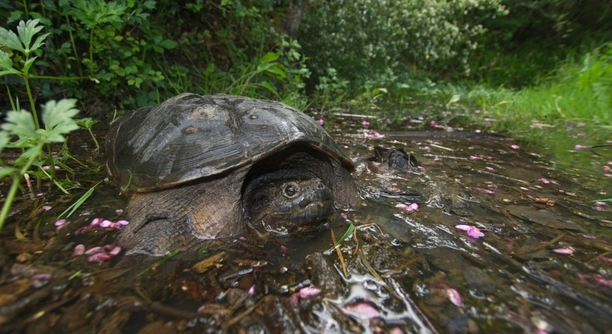
Turtles are fascinating creatures, and when we notice them scratching, it can raise concerns. Understanding why your common snapping turtle is scratching itself helps ensure its well-being. It’s important to explore the causes behind this behavior.
The most common reasons for a snapping turtle to scratch include shedding its skin, skin irritations, or an infection. Scratching may also be a sign of stress or improper habitat conditions, such as temperature or humidity imbalance.
Proper care and observation can help address any issues your snapping turtle might face. Let’s look at the possible causes and how you can help your turtle feel more comfortable.
Shedding Skin and Growth
Snapping turtles shed their skin regularly, and this natural process can sometimes cause itching or irritation. As the turtle grows, its old skin needs to come off to make way for new growth. This is completely normal and can often lead to your turtle scratching itself. During shedding, they may use rocks or the edges of their habitat to help remove dead skin.
The act of scratching during this time is typical. It may look like your turtle is in discomfort, but it’s usually just trying to free itself from old skin.
While scratching during shedding is normal, it’s important to observe the situation. If the scratching becomes excessive or if the skin isn’t shedding properly, there could be an underlying issue. In some cases, improper lighting or humidity could hinder this natural process. Ensure the environment is optimal for your turtle, with a proper temperature range and humidity levels to facilitate skin shedding. This will help avoid skin complications and discomfort.
Skin Irritations or Infections
Infections or irritations can also lead to your snapping turtle scratching. If your turtle has an open wound or is dealing with some kind of infection, it might try to relieve the irritation by scratching.
If your turtle has been exposed to unhygienic conditions or has been handling rough surfaces, this can cause stress on its skin. Infections often result from bacterial or fungal growth, particularly if the turtle’s habitat isn’t cleaned regularly. If you notice swelling, unusual discharge, or abnormal skin texture, an infection could be present.
Routine cleaning of the turtle’s habitat is essential in preventing infections. Always remove leftover food and waste to avoid bacteria buildup. Additionally, making sure that the water is changed regularly helps maintain a healthy environment. If you suspect an infection, it’s best to consult a vet, who can suggest the appropriate treatment, such as topical creams or antibiotics. Keeping your turtle’s habitat clean and monitoring its skin regularly will help prevent issues from escalating.
Stress and Anxiety
Stress can also make your snapping turtle scratch. If the turtle feels threatened or disturbed, it may use scratching as a way to cope. This can happen if there’s too much noise, movement, or other pets around the turtle’s habitat.
A turtle can become stressed from a variety of factors. If there are sudden changes in the environment, such as a shift in temperature or lighting, it can cause discomfort. The presence of loud sounds or unfamiliar objects can also create anxiety, leading your turtle to scratch its shell or skin. Turtles rely on their environment to feel secure, and any disturbance can affect their well-being.
Creating a calm and consistent environment is key to reducing stress. Avoid sudden changes to the habitat and minimize noise or disruptions around your turtle. Make sure your turtle has plenty of space to retreat if it feels overwhelmed. This will help your turtle feel safe and reduce the need for scratching.
Improper Habitat Conditions
If the temperature or humidity is off, it can lead to scratching. Snapping turtles are sensitive to their environment, and incorrect settings may cause irritation to their skin, triggering them to scratch more often.
A turtle’s habitat needs to be just right for it to thrive. The temperature should be warm enough for them to stay active but not too hot to cause distress. Similarly, humidity must be at the right level to help their skin and prevent dehydration. If the water is too cold or the air too dry, your turtle may scratch its skin to cope with the discomfort. Ensure that the habitat is checked regularly, and correct any issues with the heating or humidity to avoid further irritation.
If the temperature is too high or low, your turtle might try to escape its tank or scratch against the walls. Keep the water temperature between 72-78°F (22-26°C) for optimal health. Adjust the tank’s humidity levels by using a spray bottle or a humidifier. Regularly check the basking area to make sure it’s providing the warmth your turtle needs without overheating it.
Parasites and External Threats
Parasites, like mites or ticks, can cause significant irritation to your snapping turtle, leading to excessive scratching. These small creatures attach to the turtle’s skin or shell, irritating the turtle’s body.
If your turtle is constantly scratching and you notice small bumps or lesions on the skin, it could be a sign of external parasites. These parasites can lead to inflammation, and scratching is the turtle’s way of trying to relieve the discomfort. It’s important to inspect your turtle’s skin regularly for any signs of these pests.
Regularly check your turtle for signs of parasites, especially around the legs, neck, and shell. If parasites are present, they can be removed by gently cleaning the turtle’s shell and skin using a soft brush. In more severe cases, it may be necessary to consult a veterinarian for a proper treatment plan.
Poor Diet
A poor diet can contribute to a turtle’s skin problems, making it more prone to irritation and itching. Turtles need a balanced diet with enough vitamins and minerals to stay healthy.
If your snapping turtle is not getting the right nutrients, it could result in dry, flaky skin. This can cause the turtle to scratch, as the discomfort of dry skin is not easily tolerated. A lack of essential vitamins, such as vitamin A, can also lead to poor skin health. Providing a varied diet that includes vegetables, fruits, and protein sources will ensure your turtle gets the nutrients it needs.
Adding leafy greens, like kale and collard greens, along with occasional fruits and protein from insects or fish will improve skin health. Avoid feeding your turtle too much processed or high-fat food, as it can lead to health problems. Proper nutrition is key to preventing scratching caused by dietary issues.
Inadequate Water Quality
Water quality plays a major role in your snapping turtle’s overall health. Poor water quality can irritate the skin and lead to scratching, as the turtle may be trying to relieve the discomfort caused by dirty or polluted water.
If the water is not kept clean, it can lead to bacterial or fungal growth, which can cause skin irritation. This leads your turtle to scratch in an attempt to relieve the discomfort. Dirty water can also cause infections or even make existing skin issues worse. Regular maintenance of the water helps keep it clean and free from harmful bacteria.
Change the water in your turtle’s tank at least once a week to maintain a healthy environment. Use a good water filter to help remove debris and toxins. Test the water regularly for pH and ammonia levels, ensuring the water stays within the ideal range for your turtle’s health.
FAQ
Why does my snapping turtle scratch its shell?
Scratching the shell can be a way for your snapping turtle to relieve discomfort, especially if it’s shedding or dealing with skin irritations. The act of scratching may also be a response to parasites, stress, or even an imbalance in its habitat conditions like improper temperature or humidity.
How can I tell if my snapping turtle has a skin infection?
If your turtle’s skin appears swollen, discolored, or has open sores, it could be infected. A foul smell, unusual discharge, or a sudden change in behavior like lethargy or loss of appetite are also signs of infection. A vet should be consulted for proper diagnosis and treatment.
What temperature is best for my snapping turtle’s habitat?
The ideal temperature for a snapping turtle’s environment is around 72-78°F (22-26°C) for the water. The basking area should be warmer, around 85-90°F (29-32°C). Proper heating helps with digestion, shedding, and general health, so make sure the tank is heated accordingly.
How can I prevent my turtle from getting parasites?
Regularly cleaning the tank and removing leftover food can help prevent parasite growth. Ensure the water quality is good by changing it regularly and using a filter. Inspect your turtle frequently for signs of external parasites, such as small bumps or lesions, which could indicate an infestation.
What can I do if my turtle seems stressed?
If your turtle is scratching due to stress, first ensure its environment is calm. Limit disruptions, such as loud noises or handling, and check that the habitat conditions (temperature, humidity) are suitable. Provide hiding spots where your turtle can retreat if it feels overwhelmed.
Why is my snapping turtle not shedding properly?
Improper shedding can occur if the habitat is too dry or if the turtle isn’t getting enough warmth. Ensure the humidity is between 70-80% and that the basking area is warm enough to aid in the shedding process. If problems persist, consulting a vet may be necessary.
How do I know if my turtle’s diet is causing the scratching?
A poor diet can lead to skin issues, making your turtle more prone to scratching. If your turtle’s skin appears dry or flaky, it might not be getting enough nutrients. Ensure its diet includes a variety of vegetables, fruits, and protein sources to maintain healthy skin and overall well-being.
What should I do if my turtle is scratching excessively?
Excessive scratching could be a sign of an underlying problem like parasites, infection, or poor habitat conditions. First, check for signs of infection or external parasites. Also, ensure the habitat is clean, the temperature is appropriate, and the turtle is eating a balanced diet. If issues persist, consult a vet.
Can my snapping turtle get allergies?
Though it’s uncommon, snapping turtles can have allergic reactions to certain substances in their environment or diet. If you notice unusual scratching, swelling, or skin changes after introducing a new food or altering the habitat, allergies may be the cause. A vet can help determine the cause and suggest changes.
What are the signs of dehydration in a snapping turtle?
Dehydration in a snapping turtle can lead to dry, flaky skin and excessive scratching. Signs include lethargy, sunken eyes, and a lack of appetite. If dehydration is suspected, provide a shallow water dish for the turtle to soak in, and make sure its habitat has proper humidity levels.
Is it normal for my snapping turtle to scratch its legs?
Scratching the legs is often normal, especially during shedding. However, if you notice persistent or intense scratching that results in wounds or irritation, it may indicate parasites, infections, or poor water quality. Regular checks on your turtle’s skin and environment will help prevent these issues.
How often should I clean my snapping turtle’s tank?
It’s important to clean your turtle’s tank regularly to prevent the buildup of bacteria or parasites. Change the water at least once a week, and clean the tank with a gentle, non-toxic cleaner. You should also remove uneaten food daily to maintain good water quality.
Can I treat my turtle’s scratching at home?
While basic issues like skin shedding or mild irritation can sometimes be addressed with proper habitat care, persistent scratching or signs of infection require professional help. If your turtle’s condition doesn’t improve with changes in diet or habitat, a visit to the vet is recommended for further treatment.
What should I do if my turtle’s scratching is causing skin damage?
If your turtle’s scratching has led to visible damage, like open sores or lesions, it’s essential to address the underlying issue. Clean the affected area gently with warm water and a soft brush, and ensure the environment is conducive to healing. A vet can recommend specific treatments or antibiotics for skin infections.
Final Thoughts
Scratching in your snapping turtle can often be a normal behavior, especially during shedding or when the turtle is adjusting to changes in its environment. It’s important to observe your turtle’s behavior and look for any other signs of discomfort or health issues. While some scratching may simply be the result of a natural process, excessive scratching or changes in the skin can point to problems like infections, parasites, or stress. Regularly checking your turtle’s skin and shell, as well as maintaining a clean and stable habitat, can help prevent these issues.
If your snapping turtle is scratching more than usual, it’s essential to take action by assessing its habitat. Make sure the temperature, humidity, and water quality are all within the appropriate ranges. An uncomfortable environment can cause your turtle to feel stressed, which may lead to scratching. Keeping your turtle’s enclosure clean and ensuring it has proper lighting, heating, and humidity can prevent many of the common causes of skin irritation. It’s also important to provide a balanced diet with the right nutrients, as poor nutrition can contribute to skin problems.
In some cases, if the scratching doesn’t stop or worsens, it’s best to consult a veterinarian. A professional can help identify the root cause of the scratching and recommend the right treatment. Whether it’s an infection, parasites, or an environmental issue, a vet can provide guidance to get your turtle back on track. By paying attention to your turtle’s needs and providing the best care possible, you can help ensure its health and happiness in the long run.

Hello,
If you enjoy the content that we create, please consider saying a "Thank You!" by leaving a tip.
Every little bit helps us continue crafting quality advice that supports the health, happiness, and well-being of pets around the world, for pets of all shapes, sizes, and species.
We really appreciate the kindness and support that you show us!