
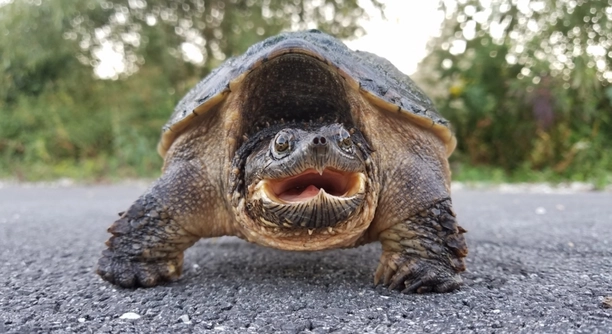
Common snapping turtles can sometimes feel uneasy in their environments, especially when encountering unfamiliar situations. Understanding how to make them feel safe is essential for their well-being and comfort. This article will discuss some effective strategies.
To help a common snapping turtle feel more secure, it’s crucial to provide a calm, quiet environment. Minimizing disruptions and offering a space that resembles their natural habitat can greatly reduce stress. Proper care and attention are key.
By following a few simple steps, you’ll learn how to create a safe space for your snapping turtle.
Provide a Quiet, Low-Stress Environment
Turtles, especially common snapping turtles, are sensitive creatures. They can become stressed by loud noises, sudden movements, or constant disruptions in their surroundings. It’s important to create a peaceful space for them to thrive. Try to keep the area around them calm, away from noisy pets or people. The less commotion, the more comfortable they will feel. Providing a habitat with minimal distractions helps them relax and prevents them from becoming defensive or anxious.
A quieter environment also helps your turtle stay focused on basic needs like food, water, and basking. With fewer disturbances, the turtle can better adapt to its surroundings.
Consider setting up their habitat away from high-traffic areas in your home. If possible, place the tank or enclosure in a room where there is limited human activity. This will allow them to feel more secure. Creating a peaceful environment plays a huge part in your turtle’s overall well-being.
Mimic Their Natural Habitat
Replicating the turtle’s natural habitat is one of the best ways to make them feel safe. Use rocks, plants, and water that closely resemble their usual environment. Adding objects they can hide under, like driftwood or aquatic plants, will also help them feel more at ease.
When setting up a tank, aim for conditions similar to what they would find in the wild. A mix of shallow and deeper water areas is ideal, along with enough space to move freely. Adding some substrate, like sand or gravel, helps the turtle feel more secure as it can dig or hide in it.
Keep the tank clean but avoid drastic changes in the setup. Sudden alterations can make your snapping turtle feel disoriented and insecure. The more consistent the environment, the less stress your turtle will experience. Providing these familiar elements allows your turtle to feel a sense of safety and control.
Provide Hiding Spaces
Hiding spots make turtles feel safe and secure. They are natural creatures that enjoy privacy and protection. Adding caves or shelters where they can retreat helps them feel less exposed. These spaces allow them to hide when they feel threatened or need rest.
A variety of hiding spaces within their habitat, whether in water or on land, is essential. They may use these spots to regulate their stress levels and retreat when they feel uneasy. Even simple structures like overturned pots or tunnels can offer a sense of security.
These hiding spaces provide comfort, giving your turtle the option to stay in a secure area when they feel overwhelmed. Creating different hiding spots at various levels, such as underwater shelters or land-based ones, also allows them to choose the best place to relax, depending on the situation.
Maintain Proper Temperature and Lighting
Temperature and lighting can impact a turtle’s sense of security. If their environment is too hot or cold, they will become stressed and feel unsafe. Always make sure their tank stays within the appropriate temperature range for their species. This will help them regulate their body temperature and avoid unnecessary stress.
Proper lighting is equally important. Snapping turtles need both heat and UVB light to stay healthy and comfortable. Make sure you have a combination of basking lights and UVB bulbs to replicate their natural sun exposure. These lights encourage proper thermoregulation and also allow them to engage in natural behaviors like basking.
A stable and warm environment is key. By providing the right lighting and temperature, your turtle can feel secure in its habitat, reducing anxiety and supporting overall health.
Avoid Overcrowding
Overcrowding can cause your turtle to feel threatened and stressed. If there are too many animals in the same space, it can lead to competition for resources and hiding spots. Always ensure there’s enough room for your turtle to move freely without feeling trapped.
By reducing the number of animals in the tank, you allow your snapping turtle more space to roam and feel secure. This not only promotes good health but also helps them stay relaxed in their environment. Providing ample space ensures they can maintain a safe distance from potential threats, which is crucial for their well-being.
Proper Feeding Routine
A consistent feeding schedule can help a snapping turtle feel more secure. They rely on regular meals to feel stable and safe in their environment. Keeping a routine reduces uncertainty and stress for your turtle, ensuring they know when to expect food.
Make sure to offer a balanced diet based on their needs. Always provide fresh food and avoid overfeeding or underfeeding. Regular, nutritious meals can help reduce anxiety around food availability. A stable feeding routine allows them to focus on eating and thriving, rather than worrying about their next meal.
Keep the Environment Clean
Maintaining a clean tank or enclosure is vital for a turtle’s comfort. Dirty water or unclean living spaces can make your turtle feel uneasy. Regular cleaning and water changes are necessary to prevent bacteria buildup and maintain a healthy environment.
Remove uneaten food and waste from the tank regularly. This helps maintain water quality and reduces stress for your turtle. Cleanliness not only supports their physical health but also promotes a more secure and stress-free habitat. By keeping things clean, you provide a safer environment where your turtle can feel calm and relaxed.
FAQ
How can I tell if my snapping turtle feels stressed?
Signs of stress in a snapping turtle can vary, but common indicators include erratic swimming, lack of appetite, or retreating into hiding spots more than usual. A stressed turtle may also become more defensive, snapping or hissing when approached. If you notice these behaviors, it’s important to review their environment to ensure it meets their needs. Stress can also cause health problems, so it’s essential to address it promptly.
What should I do if my snapping turtle bites me?
If a snapping turtle bites you, it’s crucial to remain calm. Snapping turtles may bite when they feel threatened or cornered, as they are naturally protective creatures. Avoid pulling your hand away quickly, as this can cause injury. Instead, gently remove yourself from the turtle’s reach. Always handle snapping turtles with care and respect, making sure not to provoke them.
Can I keep other animals with my snapping turtle?
Snapping turtles are not the best choice for a community tank due to their aggressive nature. They may feel threatened by other animals and, in turn, act aggressively. Larger fish or reptiles might be acceptable in the same tank, but it’s important to monitor interactions closely. If you are unsure about tankmates, it’s safest to keep your snapping turtle alone.
How often should I feed my snapping turtle?
A snapping turtle should be fed every 2-3 days, as overfeeding can lead to health issues like obesity. Offer a balanced diet, including commercial turtle food, live or frozen fish, worms, and leafy greens. Adjust their diet based on their size, age, and activity level. Always ensure the food is appropriate for their specific nutritional needs.
What kind of lighting does my snapping turtle need?
Snapping turtles require both heat and UVB light to maintain good health. A basking light provides heat, while a UVB bulb helps them absorb calcium, essential for shell health and overall well-being. These lights should be on for about 10-12 hours a day to replicate their natural sunlight exposure. Ensure the heat is within the right temperature range, with a basking spot around 85-90°F (29-32°C), while the water should be kept cooler.
How do I clean my snapping turtle’s tank?
Cleaning your turtle’s tank involves removing uneaten food, waste, and debris regularly. Perform partial water changes about once a week, depending on the size of the tank. Use a water conditioner to remove harmful chemicals from tap water. Clean the substrate and filter monthly, and ensure the tank is free from mold or algae. Keep the tank environment safe and stress-free by maintaining good hygiene.
What is the best tank size for a snapping turtle?
The minimum recommended tank size for a single snapping turtle is 75 gallons. However, larger turtles may require even bigger tanks. A spacious tank provides ample room for swimming and basking. It’s important to have a mix of shallow and deep water areas, along with a dry basking area where your turtle can rest and soak up heat. Always upgrade the tank as your turtle grows to ensure they have enough space.
How can I make my snapping turtle feel secure in its tank?
To help your snapping turtle feel secure, provide plenty of hiding spaces like rocks, caves, or submerged logs. Make sure the tank is quiet and free from frequent disturbances. Offering a stable, consistent environment with the proper temperature and lighting also helps reduce stress. Keep the tank clean and avoid overcrowding to ensure your turtle feels safe and comfortable.
Can my snapping turtle live outside in an enclosure?
Yes, snapping turtles can live outdoors in a well-secured enclosure, provided they are kept in a controlled environment. The enclosure should have a secure fence, deep water areas, and places for the turtle to bask. Be sure to protect them from predators and provide adequate shade, warmth, and shelter. During colder months, you may need to bring them indoors to prevent them from becoming too cold.
How do I know if my snapping turtle is sick?
Signs of illness in a snapping turtle include loss of appetite, abnormal swimming patterns, lethargy, or changes in their shell, such as discoloration or softness. If you notice these signs, it’s important to take your turtle to a veterinarian experienced with reptiles. Prompt medical attention can prevent more severe health issues.
Final Thoughts
Taking care of a snapping turtle involves more than just providing food and water. It’s about creating a safe, stable environment where the turtle feels secure. By ensuring their habitat is quiet, clean, and well-maintained, you give them the best chance to thrive. Snapping turtles, like all animals, need proper care to avoid stress and stay healthy. A few simple steps, such as adding hiding spaces and mimicking their natural habitat, can go a long way in reducing anxiety and promoting overall well-being. With patience and attention to detail, you can provide a comfortable and secure environment for your turtle.
Providing the right temperature, lighting, and food is crucial for their health. Snapping turtles need a mix of heat and UVB light to regulate their bodies and absorb essential nutrients. This helps them grow strong and avoid common health issues like shell deformities. Additionally, having a regular feeding schedule ensures that your turtle is not stressed about when food will appear. A balanced diet is also key to their long-term health, so offering the right variety is important. By sticking to a routine and keeping their environment consistent, you can avoid causing unnecessary stress and help your turtle feel secure.
Overall, taking the time to meet the basic needs of your snapping turtle shows how much you care for their well-being. A little effort goes a long way in ensuring they are comfortable and happy. While snapping turtles are naturally defensive creatures, a calm, predictable environment will help them feel more secure and less likely to become aggressive or anxious. By following the steps outlined in this article, you can support your turtle’s health and ensure they live a peaceful life. It’s all about understanding their needs and making sure they have the right environment to thrive.

Hello,
If you enjoy the content that we create, please consider saying a "Thank You!" by leaving a tip.
Every little bit helps us continue crafting quality advice that supports the health, happiness, and well-being of pets around the world, for pets of all shapes, sizes, and species.
We really appreciate the kindness and support that you show us!