
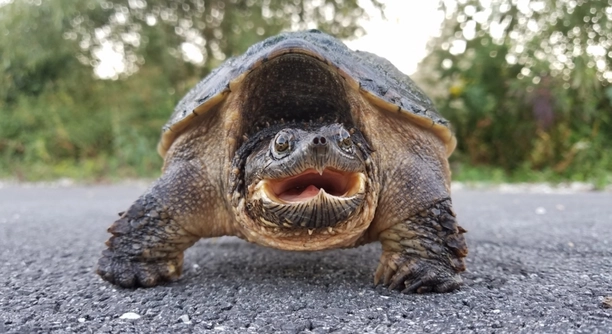
Maintaining good water quality is essential for the health of your common snapping turtle. Clean water supports their overall well-being and ensures that they thrive in their aquatic environment. Here are a few simple ways to improve water quality.
To improve water quality for your snapping turtle, ensure regular water changes, use a proper filtration system, and monitor water temperature and pH. Additionally, avoid overfeeding, remove waste promptly, and clean the tank regularly to maintain a healthy habitat.
These straightforward steps can significantly enhance your turtle’s living conditions. Keep reading for more tips on how to manage and improve your turtle’s water quality.
Regular Water Changes
One of the easiest ways to improve the water quality in your turtle’s habitat is by performing regular water changes. Aim for a 25-30% water change every week to prevent the build-up of harmful toxins. Snapping turtles produce waste, which can pollute the water and affect their health if not removed. Over time, chemicals from uneaten food, plant debris, and waste accumulate, creating an unhealthy environment. Water changes help maintain clear, clean water while ensuring your turtle is in a safe space. Use a siphon to remove both water and debris from the bottom of the tank to keep it fresh.
Water changes will not only help remove waste but also reduce the spread of harmful bacteria. Keeping your tank clean ensures that your snapping turtle stays healthy and active.
Keep in mind that during water changes, avoid using water straight from the tap. Let it sit for a few hours or use a dechlorinator to remove harmful chemicals, ensuring your turtle’s safety. Proper filtration also works alongside water changes to maintain an optimal environment.
Proper Filtration
Having the right filtration system is crucial for maintaining water quality. Ensure your filter is suitable for your tank size, and regularly clean it to keep it running effectively. A strong filter will remove debris, waste, and excess food.
Monitor Water Temperature and pH Levels
Temperature and pH levels play a significant role in water quality. Snapping turtles thrive in water that is consistently between 70°F and 80°F (21°C – 27°C). Water that is too hot or too cold can cause stress and make your turtle more susceptible to illness. Test the water temperature regularly to avoid sudden changes. A reliable thermometer will help you maintain the proper conditions for your turtle’s health.
The pH level of the water should be slightly acidic to neutral, between 6.5 and 7.5. If the water is too acidic or too alkaline, it can lead to skin irritation and other health issues for your turtle. Invest in a pH testing kit and adjust the levels using pH increasers or decreasers if necessary. Regular monitoring helps ensure a stable environment, promoting your turtle’s well-being.
Maintaining proper temperature and pH ensures that your turtle has the best chance at thriving. These elements also work together to support beneficial bacteria growth, which helps break down waste and maintain a clean environment. Regular testing is an easy, effective step for healthy water.
Remove Waste Regularly
Regular removal of waste prevents water from becoming toxic. Snapping turtles can produce a lot of waste, which can cause harmful toxins to build up quickly. The best way to keep the water clean is by removing excess food, leftover plant matter, and turtle waste. If left unchecked, these can decay and degrade water quality. Use a fishnet or a siphon to remove solids from the water, and ensure that any uneaten food is cleared away after feeding.
Keeping the tank free of visible waste helps maintain water clarity. A build-up of organic material can lead to algae growth and encourage bacterial growth, which negatively impacts water quality. For larger tanks, consider using a gravel vacuum to remove waste from the substrate without disturbing the entire setup. This makes cleaning more effective and ensures that no debris is left behind to pollute the water.
This simple routine is essential for keeping the water in your snapping turtle’s tank clean. It also prevents the need for more frequent water changes, which can be time-consuming. Removing waste regularly helps create a healthier and safer environment for your turtle.
Avoid Overfeeding
Overfeeding can lead to water quality problems. Excess food quickly breaks down into organic waste, which increases the risk of harmful bacteria growth. Only feed your turtle what it can eat in 10-15 minutes. Remove any leftover food immediately to prevent water contamination and maintain a clean environment.
Snapping turtles can be opportunistic eaters, so it’s easy to overfeed them. Instead of feeding large portions, offer smaller meals spread throughout the week. Keep track of how much your turtle eats each time and adjust accordingly. This helps to reduce waste and keeps the tank healthier.
Clean the Tank Regularly
Regular tank cleaning is essential for keeping your turtle’s water quality high. Every two to three weeks, thoroughly clean the substrate, decorations, and equipment in the tank. This helps remove any build-up of dirt, algae, and waste that may have been missed during regular maintenance. A clean tank promotes a healthier habitat for your turtle.
Make sure to gently scrub the tank’s walls and decorations to remove any unwanted algae. If the substrate is dirty, use a siphon to clean it without disturbing the whole tank. Be careful not to use harsh chemicals that could harm your turtle. A clean environment is critical for their well-being.
Use a Water Conditioner
Water conditioners are a simple but effective way to improve water quality. They help neutralize chlorine, chloramine, and other harmful chemicals often found in tap water. Adding a water conditioner ensures that the water is safe for your turtle, preventing skin irritation and other health issues.
Choose a water conditioner that is safe for both reptiles and aquatic environments. Adding it during water changes or when topping off the tank helps remove harmful chemicals that can be toxic.
FAQ
How often should I change the water in my turtle’s tank?
You should change 25-30% of the water in your turtle’s tank every week. This helps keep the water clean by removing waste, excess food, and chemicals that can build up. If you have a larger tank or more turtles, you may need to change the water more frequently to maintain good water quality. It’s important to not change all of the water at once, as this can disrupt the biological balance in the tank. By performing regular water changes, you prevent harmful toxins from accumulating and ensure your turtle stays healthy.
Can I use tap water for my turtle tank?
Tap water often contains chlorine and chloramine, which can be harmful to your turtle. It is best to treat tap water with a dechlorinator or allow it to sit for 24-48 hours to let the chemicals dissipate before adding it to the tank. Alternatively, you can use filtered or distilled water to avoid these chemicals. Just make sure the water’s temperature matches the current water in the tank to avoid shocking your turtle. Ensuring your turtle has clean and safe water will help keep it stress-free and healthy.
How can I prevent algae growth in my turtle tank?
Algae thrives in tanks with excess light, nutrients, and waste. To prevent algae growth, avoid placing your turtle’s tank in direct sunlight, as it encourages algae to bloom. Regularly remove uneaten food and waste from the tank, as this provides the nutrients algae need to grow. You can also use algae-eating creatures, such as snails or certain fish, to help keep the algae under control. Additionally, invest in a good filtration system that helps prevent debris and waste from accumulating in the tank, thus reducing the chances of algae growth.
What temperature should the water be for a common snapping turtle?
The water temperature for a common snapping turtle should be between 70°F and 80°F (21°C to 27°C). Keeping the water at this temperature range helps your turtle stay active, digest food properly, and maintain overall health. If the water is too cold, it can slow down your turtle’s metabolism and make it more susceptible to illness. If it’s too hot, it can stress the turtle, causing health problems. Use an aquarium heater to regulate the temperature and a thermometer to monitor it regularly.
How do I know if the water quality is bad for my turtle?
Bad water quality can lead to visible signs of stress or illness in your turtle. Look for symptoms like lethargy, irregular behavior, and shell or skin discoloration. If the water has a cloudy appearance or a strong, unpleasant smell, it’s a clear sign that the water quality is compromised. It’s also essential to check the water’s temperature, pH levels, and ammonia, nitrite, and nitrate levels. If these levels are out of the safe range, your turtle may be at risk for health issues. Regular testing is key to maintaining optimal water conditions.
What kind of filter is best for a turtle tank?
For a turtle tank, it’s important to have a filter that is strong enough to handle the amount of waste turtles produce. Look for a filter that is rated for a tank larger than your turtle’s tank size, as turtles create more waste than fish. Canister filters are often a good choice because they are powerful, easy to maintain, and offer multi-stage filtration, which helps remove debris, waste, and toxins. A good filter will not only keep the water clear but also promote a healthier environment for your turtle.
Can I use a regular fish filter for my turtle tank?
While a regular fish filter can help filter out debris, it might not be strong enough for a turtle tank. Turtles produce more waste than fish, so a fish filter may not provide adequate filtration. It is recommended to use a filter designed specifically for reptiles or one rated for a larger tank than your current setup. If you decide to use a fish filter, be prepared to clean it more often to ensure it functions properly. Always ensure the filter is capable of handling both biological and mechanical filtration to maintain clean water.
How do I clean a turtle tank properly?
Cleaning your turtle tank involves more than just changing the water. You’ll need to clean the substrate, decorations, and filter. Begin by removing any waste, leftover food, and debris using a siphon or fishnet. Clean the tank’s walls and decorations with a soft sponge or brush to remove algae. Don’t use soap or chemicals, as they can harm your turtle. Make sure to rinse everything thoroughly before placing it back in the tank. For the filter, clean it regularly to ensure it’s working efficiently. A well-maintained tank promotes a healthier environment for your turtle.
What type of water conditioner should I use for my turtle tank?
Use a water conditioner specifically designed for reptiles to neutralize chlorine and chloramine in tap water. These chemicals can harm your turtle, so treating the water before adding it to the tank is essential. Look for a conditioner that also detoxifies heavy metals and stabilizes the water’s pH level. Always read the label to ensure the product is safe for aquatic reptiles. Adding a water conditioner is especially important when topping off the tank or performing water changes to maintain a clean and safe environment for your turtle.
How can I prevent my turtle’s tank from smelling bad?
A bad smell is usually a sign of poor water quality or excess waste in the tank. To prevent this, perform regular water changes, remove uneaten food promptly, and clean the tank frequently. Ensure your filter is strong enough to handle your turtle’s waste load, and clean it regularly to keep it working efficiently. You can also use a protein skimmer to remove organic material before it has a chance to decompose and affect the water quality. Keeping the tank clean will help prevent any unpleasant odors from developing.
Final Thoughts
Maintaining proper water quality is crucial for the health of your common snapping turtle. Regular maintenance, such as water changes and proper filtration, plays a significant role in keeping the environment safe and clean. Turtles, unlike other pets, can produce a considerable amount of waste, which can quickly impact water quality. It is essential to stay on top of tank cleaning to avoid the build-up of harmful toxins. Regularly monitoring water temperature, pH levels, and ammonia levels ensures that your turtle remains in optimal conditions.
Creating the right habitat for your turtle involves more than just meeting basic water quality needs. You also need to pay attention to the water’s temperature, lighting, and overall tank setup. The appropriate lighting and heating are essential for keeping your turtle active and healthy. An effective filtration system is necessary for filtering out debris, waste, and harmful bacteria. A properly maintained tank prevents illnesses caused by dirty water, which can affect the long-term well-being of your turtle.
The water quality in your turtle’s tank directly impacts its health and longevity. Regular water changes, using proper water conditioners, and ensuring your filtration system is up to the task are all essential steps in maintaining a healthy environment. By taking the time to keep your turtle’s habitat clean and balanced, you can help them live a long and healthy life. Remember that water quality isn’t something to overlook; it requires consistent effort and care to create a safe and comfortable home for your turtle. With the right approach, your turtle will thrive in its environment.

Hello,
If you enjoy the content that we create, please consider saying a "Thank You!" by leaving a tip.
Every little bit helps us continue crafting quality advice that supports the health, happiness, and well-being of pets around the world, for pets of all shapes, sizes, and species.
We really appreciate the kindness and support that you show us!