
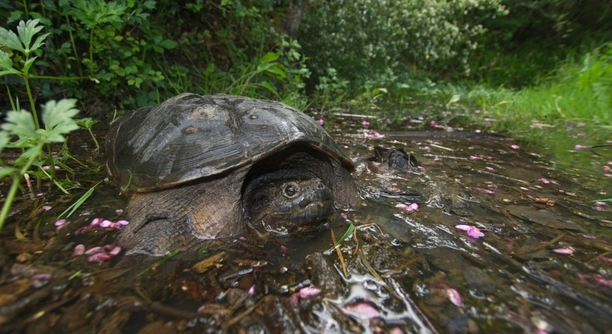
Common snapping turtles are fascinating creatures, and understanding their behavior can be quite intriguing. Observing your turtle blow bubbles may leave you wondering why this happens. There are several reasons for this behavior.
The act of blowing bubbles in common snapping turtles often occurs due to respiratory function or environmental factors. Turtles may expel air when they breathe or to regulate buoyancy. It is a natural behavior that typically indicates no cause for concern.
Knowing why your turtle blows bubbles is important for understanding its health and well-being. Keep reading to learn more about this behavior and how it may impact your turtle’s daily life.
Why Does My Turtle Blow Bubbles?
Common snapping turtles blowing bubbles may seem unusual, but it’s generally a normal behavior. Most of the time, this occurs when they breathe out air, which is part of their respiratory process. Turtles expel air through their nostrils or mouth as they surface for air, especially when they are underwater. The bubbles are nothing more than a result of this action and can occur quite frequently. It is important to note that this behavior should not be confused with stress or illness. As long as the turtle is eating, swimming, and behaving normally, there is usually no cause for concern.
The environment plays a big role in how often your turtle blows bubbles. If the water temperature fluctuates, your turtle might expel more air in an attempt to regulate its buoyancy.
Turtles naturally expel bubbles when transitioning between water levels, as their lungs adjust to the oxygen levels. If the water is too shallow, they may blow bubbles more often to help them stay afloat.
Is My Turtle Sick or Just Blowing Bubbles?
If your snapping turtle seems otherwise healthy, blowing bubbles is likely normal. However, it’s important to monitor their overall behavior. If they are eating and moving around regularly, there’s no need for concern.
Turtles can sometimes expel bubbles if they feel stressed. Stress might occur from changes in their environment, such as water temperature or tank placement. If they seem lethargic, refuse food, or show other signs of distress, it’s best to check the water quality and temperature. Regular tank cleaning is crucial for maintaining a healthy habitat.
Another factor to consider is the turtle’s respiratory health. While bubble expulsion can be normal, it can also indicate a respiratory infection if accompanied by wheezing or difficulty swimming. If your turtle’s bubbles are paired with abnormal behavior, it’s worth consulting a vet to rule out illness. Healthy turtles should exhibit signs of active feeding and normal movements, so any drastic changes should be monitored closely.
How to Tell If the Water is Affecting Your Turtle
Water quality can significantly impact your turtle’s health and behavior. If the water is too dirty or the temperature fluctuates, your turtle may blow more bubbles. Proper filtration and regular water changes are essential for maintaining a healthy environment.
Make sure the tank has consistent water temperatures, ideally between 70-80°F. If the water is too warm or too cold, it can cause your turtle to overexert itself and blow more bubbles to regulate buoyancy. Keep an eye on the water pH levels and avoid letting it get too acidic or alkaline.
Does Water Temperature Affect the Behavior?
Water temperature has a direct impact on your turtle’s behavior. In colder water, they may become more sluggish and breathe more rapidly, which can lead to bubble expulsion. On the other hand, overly warm water can stress your turtle, making it more prone to abnormal behavior. A balanced temperature is crucial.
If your turtle is blowing bubbles and showing signs of stress, the temperature might be the issue. Ensure the water is consistently heated and not subject to sudden drops or spikes, which can cause discomfort. A stable, properly heated environment is key to keeping your turtle comfortable.
Other Factors That Might Influence Bubble Expulsion
Other factors, such as changes in diet or lighting, could also influence how often your turtle blows bubbles. If you’ve recently changed its food or lighting schedule, this may cause a temporary shift in behavior. Keep an eye on these changes.
FAQ
Why does my turtle blow bubbles when it comes up for air?
When your turtle surfaces for air, it often exhales air through its nostrils or mouth, which causes the bubbles. This is a normal part of their respiratory process. Turtles regulate their buoyancy by adjusting their air intake, and blowing bubbles is simply a result of that. It’s important to note that this behavior is not a sign of distress but a natural function.
Should I be worried if my turtle blows bubbles often?
Frequent bubble-blowing can be normal, especially if your turtle is healthy and active. However, if you notice other signs such as lethargy, poor appetite, or difficulty swimming, it may be a sign of respiratory issues or poor tank conditions. Monitor your turtle’s behavior and check the water quality regularly to ensure it’s not stressed.
Can stress cause my turtle to blow bubbles?
Yes, stress can cause your turtle to blow bubbles. Stressful factors like changes in tank environment, improper water temperature, or loud noises can lead to excessive bubble-blowing. If your turtle is in a new environment or if there have been changes to its habitat, try to minimize stress and give your turtle time to adjust.
Does my turtle need medical attention if it’s blowing bubbles?
If your turtle is otherwise healthy, there is typically no need for concern. However, if bubble-blowing is accompanied by other symptoms such as wheezing, coughing, or difficulty swimming, it may indicate a respiratory infection, and you should consult a veterinarian. Early intervention can help prevent further complications.
What water conditions can cause my turtle to blow bubbles?
Water conditions play a crucial role in your turtle’s health. If the water temperature is too warm or too cold, it can stress your turtle, leading to more frequent bubble-blowing. Additionally, poor water quality, such as high ammonia or low oxygen levels, can affect your turtle’s respiratory health. Regularly clean the tank and monitor the water temperature to keep it stable.
How can I tell if my turtle is sick or just blowing bubbles?
Pay attention to your turtle’s overall behavior. If it is blowing bubbles but still eating, swimming, and acting normally, then it’s likely fine. However, if it’s lethargic, refuses food, or exhibits labored breathing, this could be a sign of illness, and you should seek veterinary advice. A change in appetite or abnormal behavior can often be the first indicators of illness.
Can water pH levels affect bubble-blowing in turtles?
Yes, improper pH levels can stress your turtle, which may cause it to blow more bubbles. Turtles thrive in water with a neutral to slightly alkaline pH (between 7.5 and 8.5). If the water is too acidic or too alkaline, it can affect your turtle’s health, potentially leading to changes in behavior such as frequent bubble-blowing. Regularly testing your water’s pH is essential for maintaining a healthy environment.
Does my turtle need more oxygen if it’s blowing bubbles?
Blowing bubbles isn’t usually a sign that your turtle needs more oxygen, but it could indicate that the water oxygen levels are low, especially if your turtle is spending a lot of time at the surface. Ensure that your tank is well-oxygenated by using a good filter and providing proper water circulation. If your turtle is constantly at the surface, it may be trying to breathe more easily, which could be a sign that the water quality is poor.
Is it normal for my turtle to blow bubbles during mating season?
Yes, it can be normal for turtles to blow more bubbles during mating season. Male turtles, in particular, may exhibit more noticeable behaviors, including bubble expulsion, as they become more active. While this is generally harmless, keep an eye on their overall health to ensure that it is not a sign of distress or illness.
What are the common signs that my turtle might be sick, other than blowing bubbles?
Common signs of illness in turtles include changes in appetite, lethargy, labored breathing, swollen eyes, and abnormal shell condition. If your turtle is not eating or swimming normally, or if you notice any other unusual behaviors, it’s important to consult a veterinarian. Regular monitoring of your turtle’s health is key to early detection of potential problems.
How can I improve my turtle’s tank conditions to reduce excessive bubble-blowing?
To improve your turtle’s tank conditions, maintain a consistent water temperature between 70-80°F and ensure proper filtration to keep the water clean. Regularly change the water, test pH levels, and avoid overfeeding. Adding water plants or a basking spot for the turtle can also reduce stress and improve the overall environment. These steps will help your turtle feel more comfortable and minimize excessive bubble-blowing.
Final Thoughts
Blowing bubbles is a normal behavior for many turtles, including the common snapping turtle. It’s usually a sign of natural respiration, where the turtle exhales air through its nose or mouth. Turtles also use this process to adjust their buoyancy, helping them float properly. While this can seem unusual, it’s a part of their regular breathing pattern and doesn’t typically signal a problem. In most cases, as long as your turtle appears active, eats regularly, and swims without difficulty, there’s no need to worry about the bubbles.
However, it’s important to keep an eye on any other changes in your turtle’s behavior. If the bubble-blowing is accompanied by lethargy, refusal to eat, or labored breathing, these could be signs of a respiratory infection or other health issues. In such cases, it’s crucial to act quickly and consult a veterinarian. Maintaining proper water conditions, such as balanced temperature, clean water, and proper pH levels, will also ensure your turtle remains healthy. Stress from poor tank conditions, such as fluctuating temperatures or dirty water, can cause your turtle to become more anxious and exhibit excessive bubble-blowing.
In summary, while bubble-blowing is often harmless, it’s always a good idea to monitor your turtle’s health and environment. Regular tank maintenance and a stable habitat will help keep your turtle comfortable and reduce stress-related behaviors. Keeping an eye on any changes in your turtle’s overall behavior is key to ensuring its health and well-being. If you notice any concerning symptoms, don’t hesitate to seek professional advice from a vet. By paying attention to these small details, you can ensure your snapping turtle remains happy and healthy for years to come.

Hello,
If you enjoy the content that we create, please consider saying a "Thank You!" by leaving a tip.
Every little bit helps us continue crafting quality advice that supports the health, happiness, and well-being of pets around the world, for pets of all shapes, sizes, and species.
We really appreciate the kindness and support that you show us!