
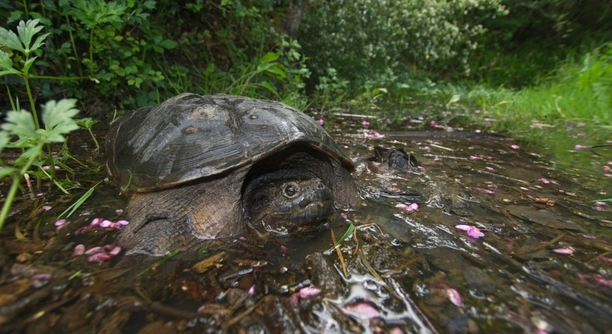
If you have a snapping turtle as a pet, you may notice changes in its behavior over time. One of these changes could be a decrease in its movement. Understanding why this happens is key to ensuring your turtle’s well-being.
The most common reasons for a snapping turtle to move less include environmental changes, such as temperature fluctuations, or health issues like dehydration or injury. Changes in diet or natural instincts can also play a significant role in this behavior.
Knowing the factors that affect your turtle’s movement will help you create a better environment for it.
Temperature and Seasonal Changes
Temperature plays a big role in your snapping turtle’s activity levels. In the wild, snapping turtles are known to slow down during colder months. They enter a state of dormancy called brumation, which is similar to hibernation. During this time, they significantly reduce their activity and may spend most of their time resting in one spot.
If your turtle’s environment isn’t warm enough, it may become sluggish. Snapping turtles need a basking spot with proper lighting to regulate their body temperature. Without this, their metabolism slows down, leading to reduced movement. Additionally, during colder months, the turtle’s natural instincts may trigger a slowdown.
Making sure your turtle’s tank stays warm enough is crucial. You should use a heat lamp to create a warm basking area, especially during the cooler months. Without the proper temperature, your turtle might remain inactive for longer periods, potentially causing concern.
Health and Injury
Health issues are another reason why your turtle might be moving less. Snapping turtles can suffer from a variety of health problems that can affect their movement. Common issues include shell infections or problems with their legs, such as fractures or arthritis. If your turtle is in pain, it will naturally avoid moving around too much.
To prevent health problems, regular check-ups are important. Be mindful of any swelling, discharge, or visible injuries on your turtle’s shell or limbs. If your turtle suddenly becomes inactive or shows signs of distress, it’s a good idea to consult a vet. Acting quickly can prevent more severe issues down the line.
Diet and Nutrition
Poor diet can lead to decreased activity in your snapping turtle. A lack of proper nutrients, especially calcium, can cause lethargy. Turtles require a balanced diet consisting of protein, vegetables, and calcium supplements for healthy growth and movement.
Feeding your turtle an improper diet might lead to nutritional deficiencies. A lack of calcium, in particular, affects their shell and bone health. Without proper nutrition, your turtle’s energy levels will drop, causing them to move less. Incorporating a variety of foods, including leafy greens, protein sources, and supplements, will keep your turtle active and healthy.
Ensure your turtle’s food is varied to maintain a healthy diet. A consistent feeding schedule with proper food portions will help. Keep in mind that turtles in captivity need a little more care than their wild counterparts, especially regarding nutrition. A balanced diet will help your turtle stay more active and energetic.
Stress and Environmental Factors
Stress can significantly affect a turtle’s behavior. If your snapping turtle feels threatened or uncomfortable in its habitat, it will likely move less. Common sources of stress include sudden loud noises, changes in the environment, or overcrowding in the tank.
Creating a calm environment for your turtle is essential. Make sure their tank is spacious enough for them to move around without feeling cramped. A tank that’s too small or overcrowded can cause anxiety. Snapping turtles need privacy, so ensure they have hiding places to feel secure. By reducing stressors, you’ll help your turtle maintain a healthier and more active lifestyle.
Aging and Natural Behavior
As turtles age, they naturally slow down. This is simply part of their life cycle. Older turtles tend to move less, even in ideal conditions. Their metabolism decreases, and they may spend more time resting.
While this is normal, it’s still important to observe any changes. If your turtle is aging and becomes less active, ensure their environment is still suitable. Provide easy access to food and water, and ensure they have plenty of space to move when they feel like it. Aging should not be a reason for extreme inactivity, but it can contribute to slower movements.
Illness and Infections
Illnesses and infections are another common cause of reduced movement. If your turtle has an infection, it may feel weak and avoid moving. Shell infections, respiratory issues, or internal parasites are all potential causes.
If your turtle seems unusually still, it’s worth checking for any visible signs of illness. Changes in appetite, breathing difficulties, or visible wounds on the shell should be addressed by a veterinarian. Early detection of illness can prevent further complications and restore your turtle’s energy. Regularly cleaning your turtle’s tank and monitoring its health can help prevent infections.
Improper Tank Conditions
Turtles are sensitive to their environment. Poor tank conditions, like improper water quality or lack of proper lighting, can make your snapping turtle less active. The water should be clean, warm, and have the right pH balance.
A dirty or poorly maintained tank can cause your turtle stress, leading to reduced movement. Make sure you regularly change the water, clean the filter, and check for any harmful chemicals or bacteria. Also, ensure that the lighting and basking areas are set up correctly to give your turtle a proper environment. This will encourage healthier behavior.
FAQ
Why is my snapping turtle not moving as much?
If your snapping turtle is moving less, it could be due to various factors. Changes in temperature, health issues, or stress can all contribute to reduced activity. Snapping turtles are sensitive to their environment and may slow down if conditions are not optimal. Check their tank temperature and ensure it’s warm enough. Also, look for signs of illness, such as swelling, difficulty breathing, or injuries.
How do I know if my turtle is too cold?
Turtles are cold-blooded and rely on external heat sources to regulate their body temperature. If your turtle is too cold, it will become lethargic and may stop moving as much. Make sure your turtle has access to a basking area with a heat lamp. The water temperature should be around 75-85°F (24-29°C), while the basking area should be slightly warmer.
Can my snapping turtle get sick and stop moving?
Yes, illnesses such as respiratory infections, shell rot, or parasites can cause your snapping turtle to move less. If your turtle’s behavior changes, look for signs of illness like discharge from the nose, open-mouth breathing, or swollen areas on the shell. If any of these symptoms appear, it’s important to consult a veterinarian who specializes in reptiles.
How often should I feed my snapping turtle?
Feeding frequency depends on the turtle’s age and size. Young snapping turtles need to be fed more often, typically every day, while adults can be fed every two or three days. Ensure you’re providing a balanced diet with protein, vegetables, and occasional calcium supplements to promote healthy movement.
What should I feed my snapping turtle to keep it active?
To keep your snapping turtle active, ensure its diet is well-rounded. Offer a mix of protein sources like fish, shrimp, and worms. Also, include leafy greens and vegetables such as kale, collard greens, and squash. Don’t forget calcium supplements to support bone and shell health.
Is it normal for my turtle to move less during winter?
Yes, it’s normal for your snapping turtle to move less in colder months. Like many reptiles, they enter a form of dormancy called brumation when temperatures drop. During this time, they may become less active and spend most of their time resting. Ensure the water temperature remains stable, but don’t worry if your turtle becomes less active as the season changes.
How can I reduce stress in my snapping turtle?
Stress can cause your turtle to stop moving or act strangely. To reduce stress, make sure your turtle’s environment is quiet and secure. Avoid loud noises or sudden movements near the tank. Provide hiding spots and ensure that the tank isn’t overcrowded. Keeping the water clean and the temperature stable will also help your turtle feel more comfortable.
Can I take my snapping turtle outside?
You can take your snapping turtle outside, but you must be careful. Ensure the outdoor environment is safe, with no predators or hazards. If you choose to take it outside, do so for short periods, and always supervise your turtle. Make sure to bring it back inside when the temperature drops or if it’s not safe outside.
How do I know if my turtle is sick?
A sick snapping turtle may show several signs, including lack of movement, loss of appetite, abnormal breathing, or swelling in the limbs or shell. If you notice any of these symptoms, it’s best to take your turtle to a reptile vet for a check-up. Regular health checks will help you detect any issues early on.
What temperature should my snapping turtle’s water be?
The water temperature for your snapping turtle should be between 75-85°F (24-29°C). This range ensures that your turtle is warm enough to remain active without stressing it. It’s important to keep the water temperature consistent. Use a submersible aquarium heater to regulate the temperature and a thermometer to monitor it regularly.
Can snapping turtles get along with other pets?
Snapping turtles are solitary by nature and may not get along with other pets, especially other turtles. They can be territorial and might show aggression. If you keep other animals in the same tank, be cautious and ensure the animals have enough space to avoid conflicts. It’s typically safer to keep snapping turtles in a tank by themselves.
What should I do if my turtle stops eating?
If your snapping turtle stops eating, it may be a sign of stress, illness, or environmental issues. Check the water temperature and ensure the diet is varied and nutritious. If your turtle continues to refuse food for several days, it’s important to consult a vet. A lack of appetite could indicate a health problem that needs professional attention.
Final Thoughts
Taking care of a snapping turtle involves more than just feeding and cleaning its tank. Understanding the reasons behind its behavior, especially if it starts moving less, is crucial for ensuring it remains healthy and happy. Many factors can contribute to reduced activity, such as aging, environmental conditions, or health problems. By paying attention to these details, you can address potential issues before they become serious concerns.
It’s important to regularly check the tank’s conditions, including water temperature, cleanliness, and lighting. A stable environment is key for a snapping turtle’s health and well-being. If you notice any changes in your turtle’s behavior, such as lethargy or a loss of appetite, it may be a sign of stress, illness, or discomfort. Consulting with a reptile vet can help identify the cause and ensure the right treatment is provided. Regular health checks, along with a balanced diet and appropriate living conditions, will help prevent many common problems.
Overall, by being attentive and proactive, you can keep your snapping turtle healthy and active for years to come. Whether it’s adjusting its environment or seeking medical attention when needed, the key is to be observant and take action early. With the right care, your turtle can continue to thrive and move freely in its habitat.

Hello,
If you enjoy the content that we create, please consider saying a "Thank You!" by leaving a tip.
Every little bit helps us continue crafting quality advice that supports the health, happiness, and well-being of pets around the world, for pets of all shapes, sizes, and species.
We really appreciate the kindness and support that you show us!